
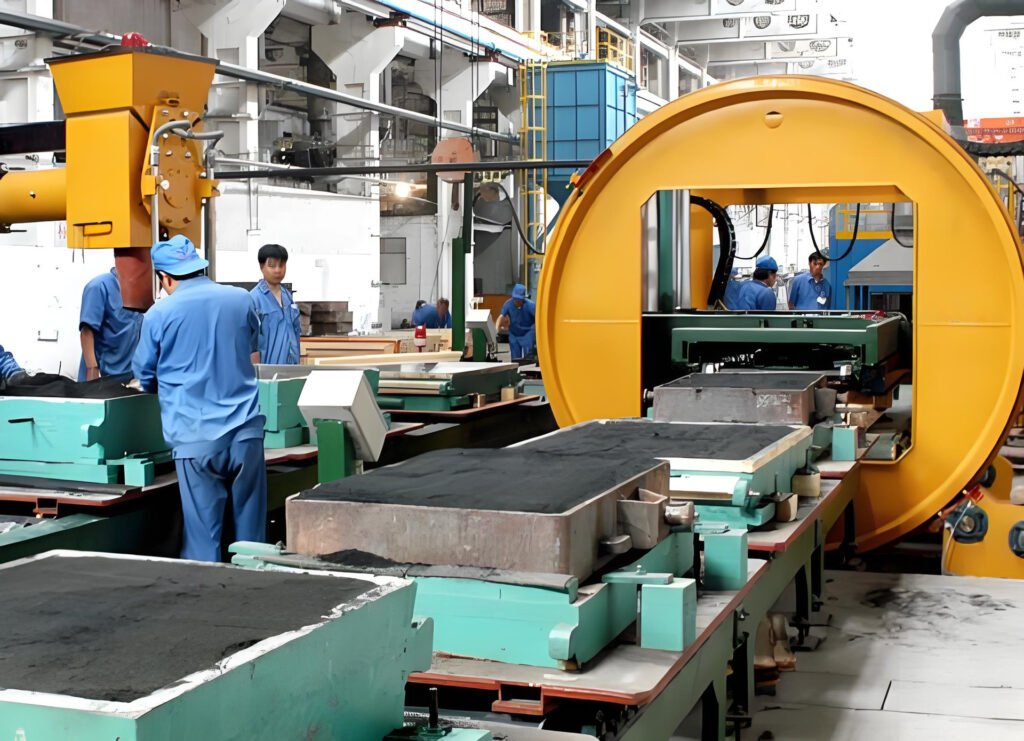
Struggling with the revenue and output ratio of the resin sand molding line?
In foundry operations, especially resin sand molding lines, profitability hinges not just on output volume — but how efficiently that output translates into revenue. The Revenue-to-Output Ratio serves as a vital metric for assessing cost-effectiveness and operational performance.
Resin Sand Molding Line is an advanced foundry system used to produce molds for metal casting. It uses resin-coated sand (typically furan or phenolic resins) to create high-precision molds that can withstand high temperatures and produce intricate casting geometries.
Optimizing Revenue-Output Ratio in Resin Sand Molding Lines: Challenges and Strategies
Resin sand molding is a critical process in foundry operations, but balancing production efficiency with profitability remains a persistent challenge.
Analyze key bottlenecks and propose actionable solutions based on operational best practices and theoretical models
1. Identifying Core Challenges
- High Material Waste: Resin consumption inefficiencies, often due to improper sand-resin ratios or curing inconsistencies, directly inflate costs .
- Equipment Downtime: Frequent breakdowns in mixers or mold-conveying systems disrupt workflow, reducing throughput .
- Energy Intensity: Curing ovens and sand reclamation units account for ~40% of operational energy costs, impacting profit margins.
2.Key Factors Affecting Revenue-Output Ratios
- Process Control:
Poor real-time monitoring of sand compaction and resin distribution leads to defective molds and rework. Implementing IoT-enabled sensors for humidity and temperature tracking can reduce scrap rates by 15–20% . - Labor Productivity:
Manual mold handling increases cycle time. Semi-automated systems with robotic arms (e.g., SCARA robots) can boost output by 30% while reducing labor dependency .
3.Strategic Optimization Approaches
- Predictive Maintenance:
Leverage data analytics to forecast equipment wear, aligning with models for “robust empirical Bellman operators” in dynamic systems . For example, vibration analysis in mixers can preempt failures, cutting downtime by 25%. - Material Efficiency:
Adopt hybrid resin formulations with lower curing temperatures, reducing energy use by 12–18% while maintaining mold integrity . - Demand-Driven Production:
Use dynamic scheduling algorithms (inspired by “speculative decoding” in parallel computing . - Energy Recovery Systems: Captured waste heat from curing units, slashing energy expenses by 22% .
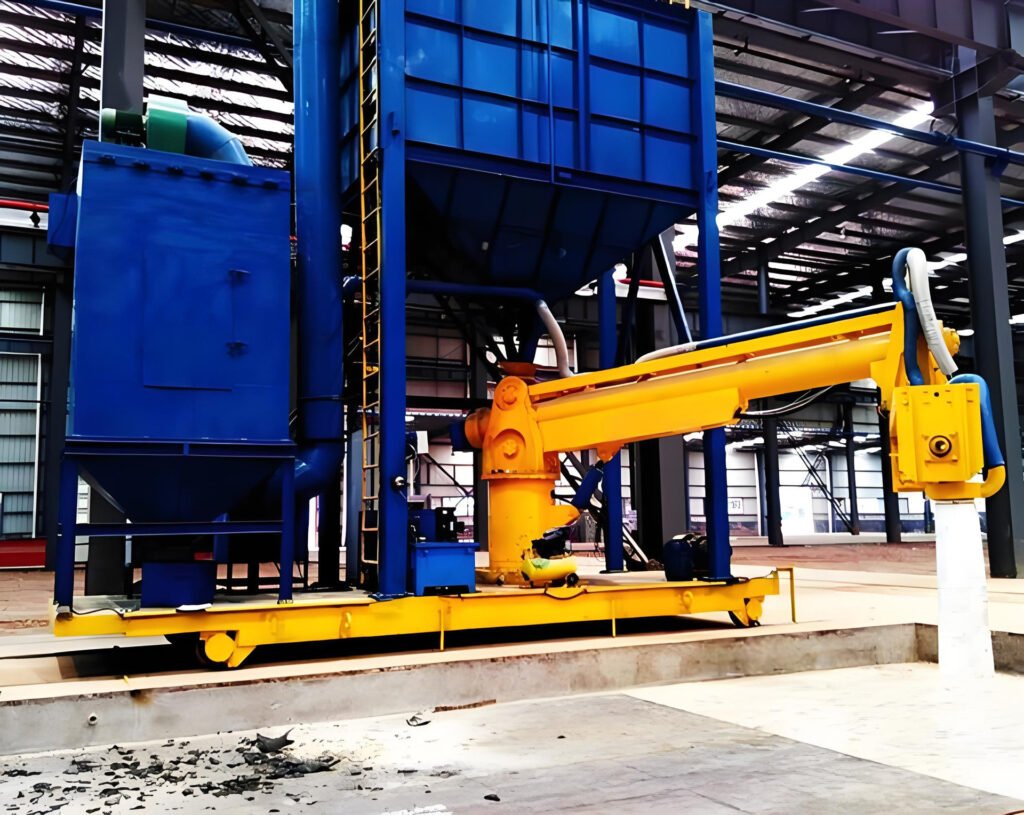
Strategies for Balancing Revenue and Output in Resin Sand Molding Lines
Resin sand molding lines are critical in casting industries, balancing productivity (output) with profitability (revenue) requires strategic optimization.
1.Process Optimization for Efficiency
- Line Balancing Techniques:
Apply industrial engineering principles to evenly distribute tasks across workstations, minimizing idle time and bottlenecks. Use cycle time analysis to align production rates with customer demand (takt time) .- Example: Implement automated resin mixing and core-making systems to reduce manual intervention and variability.
- Material Utilization:
Optimize resin formula and sand recycling rates. Advanced systems like shallow-pit regeneration machines and magnetic separators can reuse 90%+ of old sand, cutting raw material costs.
2.Technology Integration
- Automation & Smart Manufacturing:
Deploy PLC-controlled systems for temperature/pressure regulation and AI-driven quality inspection to enhance precision and reduce defects. Automated lines can boost output by 30% while lowering labor costs. - Energy-Efficient Equipment:
Use electric heating instead of gas furnaces and install regenerative air compressors to reduce energy consumption by 20–35%.
3.Market-Driven Production Planning
- Demand Forecasting:
Leverage APS (Advanced Planning & Scheduling) systems to align production schedules with market trends. For example, prioritize high-margin aerospace/automotive components during peak demand seasons. - Product Diversification:
Develop niche products like corrosion-resistant alloy castings for renewable energy sectors, commanding premium prices (15–25% markup vs. standard parts).
4.Cost Management & Pricing Strategy
- Dynamic Pricing Models:
Adjust prices based on resin market fluctuations (e.g., phenolic resin prices) and production volume discounts. Use historical data to identify optimal price points for bulk orders. - Operational Leverage:
Scale production during off-peak periods to utilize idle capacity, reducing unit costs by 10–15%.
How to Optimizing Revenue-Output Ratio in Resin Sand Molding Lines
Optimizing the Revenue-Output Ratio in resin sand molding lines means increasing the amount of revenue generated per unit of output — not just producing more, but producing smarter.
1.Optimize Molding Line Efficiency
- Cycle Time Reduction: Evaluate and reduce mold cycle times without compromising quality.
- Automation Integration: Use automated core setters, sand mixers, and mold handlers to reduce labor and increase throughput.
- Layout Optimization: Streamline workflow by minimizing transport distances and bottlenecks.
2.Demand Forecasting & Production Planning
- Flexible Scheduling: Use real-time demand data to adapt schedules for high- or low-volume runs.
- Just-in-Time Production: Avoid overproduction and reduce inventory holding costs by aligning output with actual sales forecasts.
- Shift Management: Adjust manpower and shifts based on demand cycles.
3.Cost Control and Waste Reduction
- Resin & Sand Optimization: Use the lowest effective resin-to-sand ratio while maintaining mold integrity.
- Reclamation Systems: Implement sand reclamation to reuse sand, reduce disposal costs, and lower raw material usage.
- Defect Rate Reduction: Use data analytics and quality control to minimize scrap and rework rates, boosting yield.
4.Quality Management for Long-Term Revenue
- Standard Operating Procedures (SOPs): Enforce consistent process control to reduce variation and defects.
- Regular Maintenance: Prevent unplanned downtime and extend equipment life with predictive and preventive maintenance.
- Digital Monitoring: Use IoT sensors for temperature, humidity, and curing time control to enhance mold consistency.
5.Revenue Optimization
- Product Mix Adjustment: Focus on high-margin products or parts with higher demand predictability.
- Value-Added Services: Offer services like machining or heat treatment to increase revenue per part.
- Tiered Pricing: Implement dynamic pricing for different order sizes, lead times, or customization levels.
6.Supply Chain & Vendor Coordination
- Raw Material Contracts: Lock in bulk rates for resin and sand to buffer against price volatility.
- Vendor Reliability: Work with reliable suppliers to ensure consistent quality and avoid production delays.
7.Continuous Improvement (CI) Programs
- Lean Manufacturing: Apply 5S, Kaizen, and value stream mapping to identify and eliminate waste.
- KPI Tracking: Monitor metrics like Overall Equipment Effectiveness (OEE), cost per mold, and yield to drive improvement.
Conclusion
Balancing revenue and output in resin sand molding requires a holistic approach combining technical efficiency, market agility, and cost discipline. By integrating automation, data-driven planning, and strategic pricing, manufacturers can achieve sustainable growth in competitive markets.