
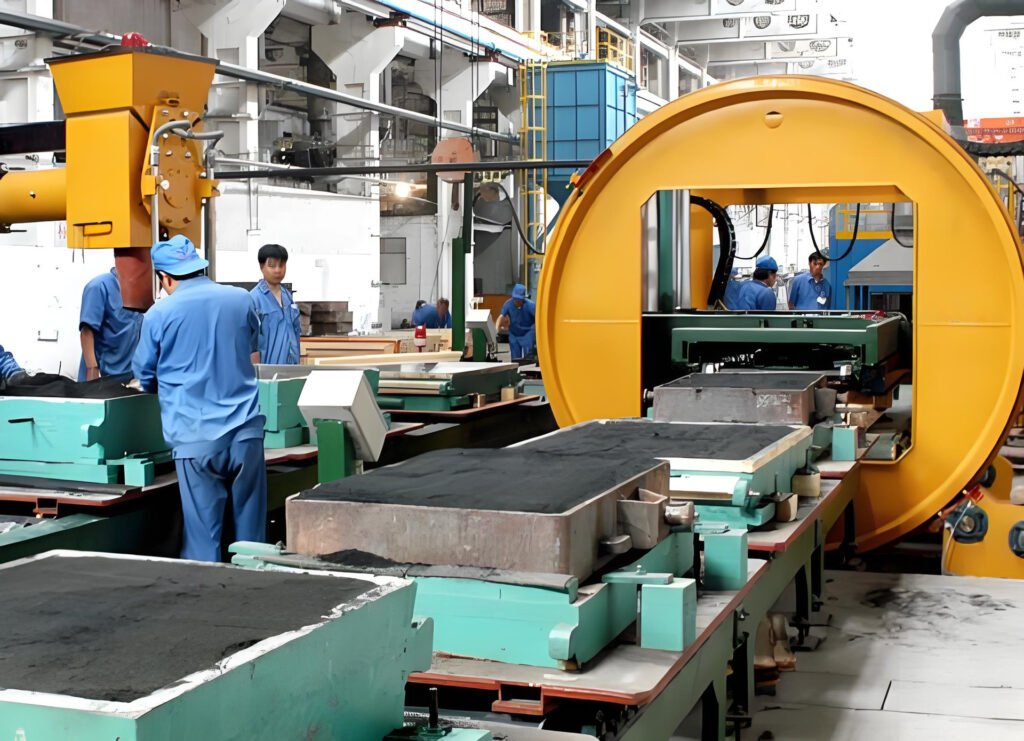
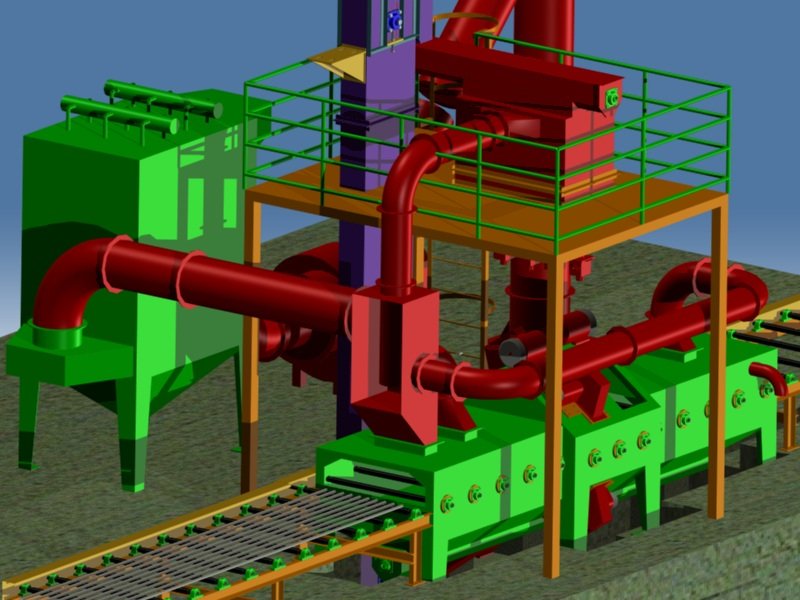
You’ve optimized workflows, trained your team, and even tweaked processes—yet efficiency still lags. The hidden culprit? Outdated or misaligned equipment.
If your foundry’s performance has plateaued despite every effort, the issue might lie deeper—in the equipment itself. Identifying and upgrading inefficient machinery can be the game-changer.
You’re not alone in this struggle. Many production managers face mounting pressure from delayed deliveries, unstable product quality, and soaring maintenance costs. But here’s the critical question: How can you be sure it’s the equipment—and what can you do about it?
Is Low-Efficiency Equipment Silently Killing Your Business?
You’ve probably noticed:
⛔ Production delays causing missed deadlines
⛔ Product quality fluctuations leading to rework or client complaints
⛔ Frequent maintenance increasing operational costs
⛔ High energy consumption reducing profitability
I’ve seen how outdated equipment quietly erodes a company’s performance and profit margin.
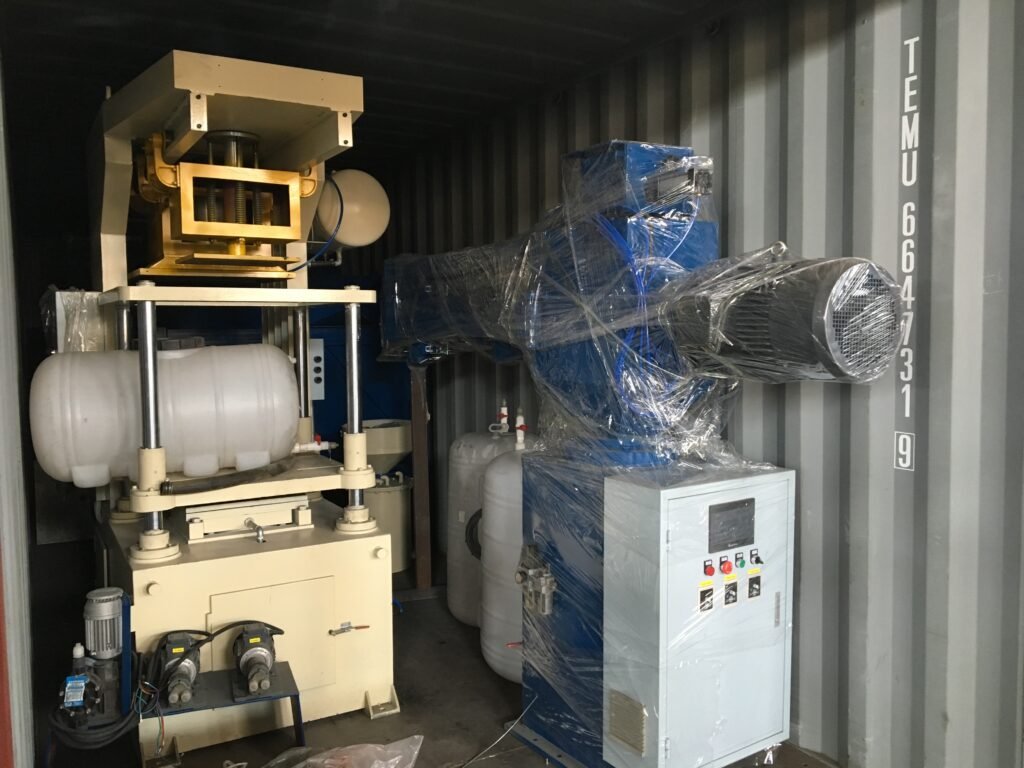
Here’s a simple comparison that shows the difference the right equipment makes:
| Factor | Outdated Equipment | Modern Equipment (Hi-Tech China) |
|---|---|---|
| Cleaning Performance | Uneven, time-consuming | Consistent, faster surface prep |
| Energy Consumption | High | Optimized, energy-efficient |
| Maintenance Frequency | Frequent, costly | Minimal, predictable |
| Automation Integration | Rare | Standard, IoT-ready |
| Downtime | Common | Reduced through smart diagnostics |
A client once told me that a single monthly breakdown was costing them an entire production shift. That’s hundreds of thousands in lost revenue every year.
How Can You Tell if Your Equipment is the Problem?
It’s frustrating when everything seems optimized on paper, but results don’t show it. That’s why I always recommend a structured equipment audit.
Here’s a quick self-check tool we use with clients. If you check 3 or more boxes, it’s likely time to take action.
🧾 Foundry Equipment Health Checklist:
Has your equipment been running for over 10 years?
Does it struggle with processing new materials or sizes?
Are surface treatment results inconsistent across batches?
Do you experience frequent breakdowns or stoppages?
Can your system automatically adjust process parameters?
Are noise, dust, or emissions becoming compliance issues?
Are your maintenance costs rising steadily?
Does your team rely heavily on manual input and monitoring?
📥 Download the full “Foundry Equipment Audit Sheet” to assess your line in detail. (Link Placeholder)
This checklist helps bring clarity. No more guessing whether the bottleneck is mechanical or procedural.
Why Is Old Equipment Eating Into Your Profits?
Many facilities continue running legacy systems simply because they still “work.” But in reality, the losses stack up silently.
Outdated machines are often inefficient in blasting power, consume excessive energy, lack smart automation, and can’t support modern production demands.
Let’s examine the deeper issues:
| Problem | Technical Cause | Impact on Operations |
|---|---|---|
| Low Turbine Efficiency | Worn parts, outdated design | Inconsistent cleaning, longer cycle |
| Poor Dust Collection | Inefficient filters or poor chamber sealing | Residual contamination, safety risks |
| No Automation Capability | Legacy controls, no sensor integration | High labor dependency, slower response |
| Inflexible Design | Incompatibility with different product sizes or line speeds | Downtime during changeovers |
One of our automotive clients was operating with a 15-year-old blasting unit. After switching to a Bestech custom system:
Output increased by 25%
Maintenance time dropped by 40%
Surface consistency significantly improved
And all of that without hiring more staff or expanding space.
Upgrade or Retrofit? What’s the Right Move?
This is the most common question I get from plant managers. Not every scenario requires a full system replacement.
A smart retrofit can often deliver 80% of the benefit at 40% of the cost—if done with a clear strategy.
Here’s a simple framework we use:
SituationRecommended StrategyWhy It WorksEquipment < 8 years, good bonesRetrofitAdd sensors, upgrade turbines and filtersEquipment > 12 years, costly to fixReplaceBetter ROI with new systemLimited budget, steady demandPhased UpgradeModular improvements, staged investmentFast growth or new productsFull Custom SystemAligns with scale and complexity needs
💡 Expert Tip: Not sure what to choose? Our team provides free audits to evaluate your current setup and recommend an ROI-based path forward.
Why Partner With Hi-Tech China?
When it comes to core equipment, you’re not just buying hardware—you’re investing in uptime, quality, and long-term performance.
At Hi-Tech China, we don’t just sell machines. We build systems around your production goals, environment, and compliance requirements.
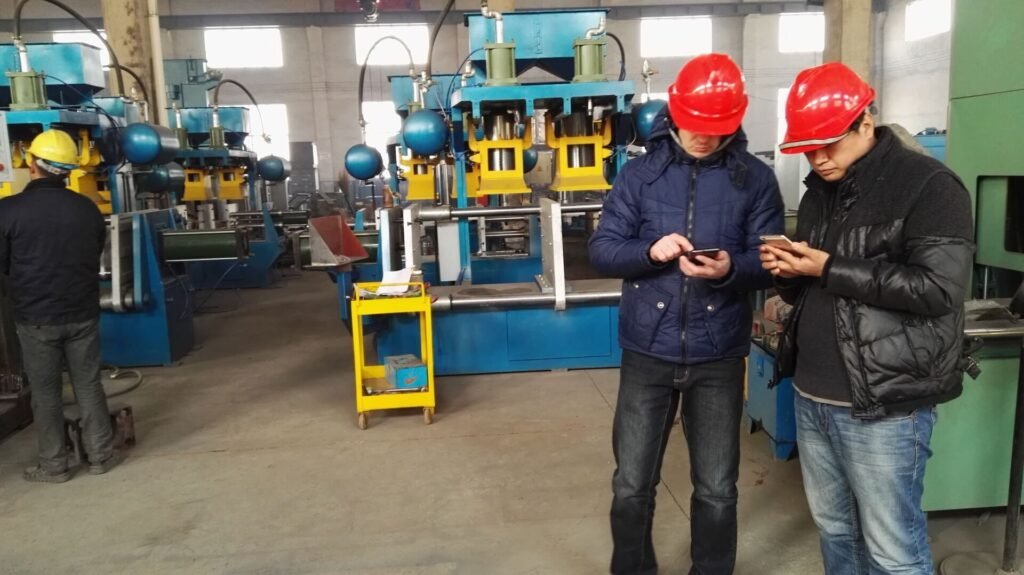
Here’s what sets us apart:
| What We Offer | Your Benefit |
|---|---|
| Since 1999, deep industry focus | Proven expertise, especially in heavy-duty needs |
| 100% Custom Engineering | Equipment matched to your product and process |
| On-Site Installation & Support | Peace of mind from day one |
| Global Service Reach | We support your plants—wherever they are |
| Confidentiality Agreements | Your processes and IP stay protected |
| Free Efficiency Diagnostics | We identify issues before they affect output |
One of our European clients said: “You didn’t just deliver a machine—you redesigned how we work.” That’s exactly what we aim for.
Let’s Transform Your Efficiency—Together
📞 Book a free consultation: Talk to an expert about your production line today
📩 Download our “Foundry Efficiency Improvement Guide 2024”
🎥 Watch real-world client case studies and improvements
FAQ
What are signs of outdated shot blasting equipment?
Frequent failures, inconsistent cleaning, high energy bills, or manual-only controls indicate your system is likely out of date.
How does equipment affect foundry productivity?
Outdated equipment slows throughput, causes defects, increases downtime, and consumes more resources.
Should I upgrade or replace my shot blasting system?
If your equipment is still structurally sound, retrofitting may work. But if it’s old, inefficient, or unreliable, replacement often delivers better ROI.
Conclusion
Don’t let your equipment be the silent killer of your foundry’s success. The right upgrade—whether a retrofit or full system—can unlock efficiency, reduce costs, and future-proof your production.ustomer expectations.