
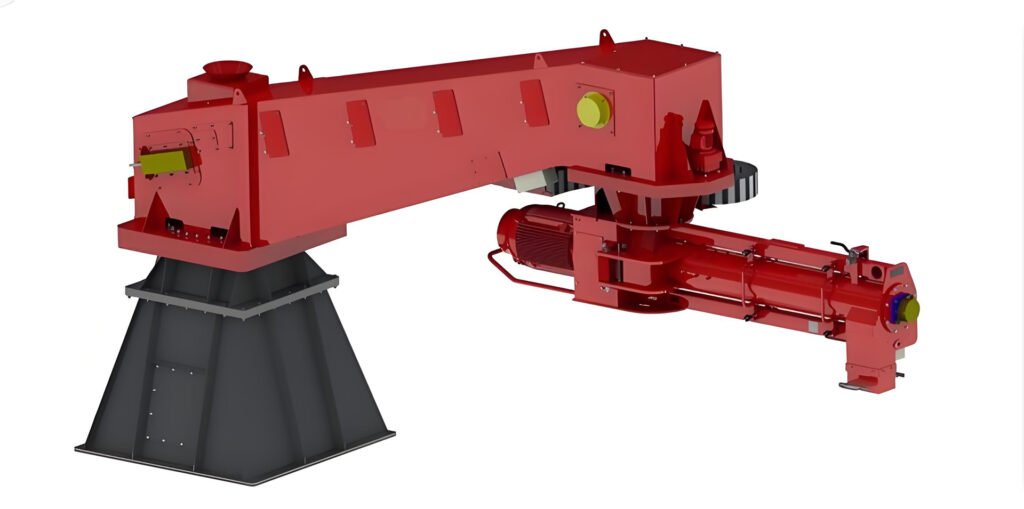
Still struggling with the choice of resin sand mixer?
Resin sand mixers are pivotal equipment in foundries for producing high-quality molds and cores. Their efficiency directly impacts casting dimensional accuracy, surface finish, and production throughput.
With advancements in foundry technology, selecting the right resin sand mixer necessitates a balance between technical parameters, operational costs, and environmental compliance.
The Selection of Resin Sand Mixers in Modern Foundry Operations
Selecting a resin sand mixer demands a holistic evaluation of technical specs, sustainability goals, and ROI. Foundries must collaborate with manufacturers to tailor solutions that align with specific production needs, ensuring competitiveness in precision casting markets.
Resin Sand Mixer Introduction
Resin sand mixers are pivotal equipment in foundries for producing high-quality molds and cores. Their efficiency directly impacts casting dimensional accuracy, surface finish, and production throughput.
With advancements in foundry technology, selecting the right mixer necessitates a balance between technical parameters, operational costs, and environmental compliance.
Key Selection Criteria
- Mixing Efficiency: Uniform dispersion of resin binders ensures consistent sand strength. Planetary mixers or continuous mixers are preferred for homogeneous blending.
- Capacity & Throughput: Batch size must align with production demands. Small foundries may opt for 100–500 kg/batch mixers, while large-scale operations require 1–5 ton capacities.
- Durability & Maintenance: Abrasion-resistant linings (e.g., chromium alloy) reduce wear. Easy-access designs simplify cleaning and resin residue removal.
- Energy Consumption: Variable-frequency drives (VFDs) optimize power usage, cutting operational costs by 15–20%.
- Automation Level: PLC-controlled systems enhance repeatability and reduce human error, critical for ISO-certified foundries.
Technological Innovations
- IoT Integration: Real-time monitoring of mixing parameters (e.g., torque, temperature) via sensors improves process control.
- Eco-Friendly Designs: Closed-loop systems minimize volatile organic compound (VOC) emissions, complying with EPA/EU regulations.
- Adaptability: Modular mixers allow quick adjustments for different resin-sand ratios (e.g., furan vs. phenolic resins).
Economic Considerations
While high-end mixers entail higher upfront costs, their longevity (10–15 years) and reduced scrap rates (≤2%) justify investments. Lifecycle cost analysis (LCCA) should include energy, maintenance, and downtime expenses.
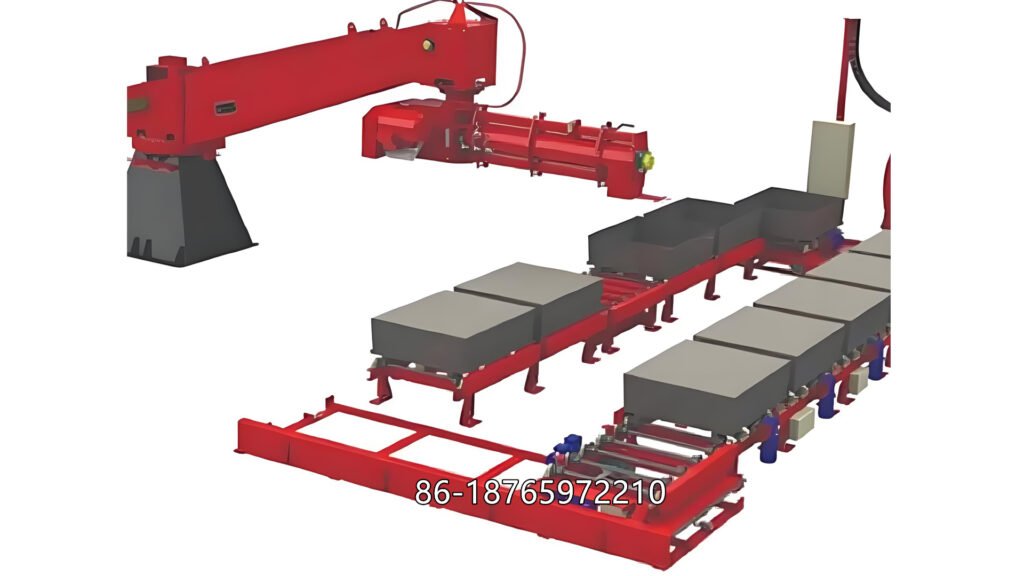
What Is A Resin Sand Mixer?
Resin sand mixers represent a critical component in modern foundry operations, serving as the primary equipment for preparing moldable sand mixtures. These industrial machines combine silica sand with resin binders (typically phenolic, furan, or urethane resins) to create homogeneous mixtures with optimal properties for core and mold production. The mixing process determines the final quality of casting molds, directly impacting metal casting outcomes.
Working Principle and Key Components
Mixing Mechanism:
Modern resin sand mixers employ either continuous or batch mixing processes. Continuous mixers feature rotating blades or paddles that ensure thorough blending, while batch mixers operate in cycles for controlled production.
Core Systems:
- Sand feeding system with precise weighing
- Resin/catalyst dosing pumps (accuracy ±1%)
- High-speed mixing chamber (typically 30-60 seconds mixing time)
- PLC-controlled automation interfaces
Technical Advantages
- Consistency: Achieves 95-98% mixture homogeneity
- Efficiency: Processes 5-50 tons/hour depending on model
- Flexibility: Adjustable for different resin/sand ratios (usually 1-3% resin content)
- Durability: Wear-resistant linings with 10,000+ hour service life
Application in Metal Casting
The prepared resin-bonded sand exhibits:
- High dimensional stability (≤0.3% linear expansion)
- Excellent collapsibility after casting
- Good thermal conductivity
- Minimum gas formation during pouring
Maintenance Requirements
Regular maintenance includes:
- Daily inspection of mixing blades
- Weekly calibration of dosing systems
- Monthly lubrication of bearings
- Annual overhaul of drive mechanisms
Future Development Trends
Industry 4.0 integration brings:
- IoT-enabled performance monitoring
- AI-based mixture quality prediction
- Automated viscosity adjustment systems
- Energy-efficient hybrid drive designs
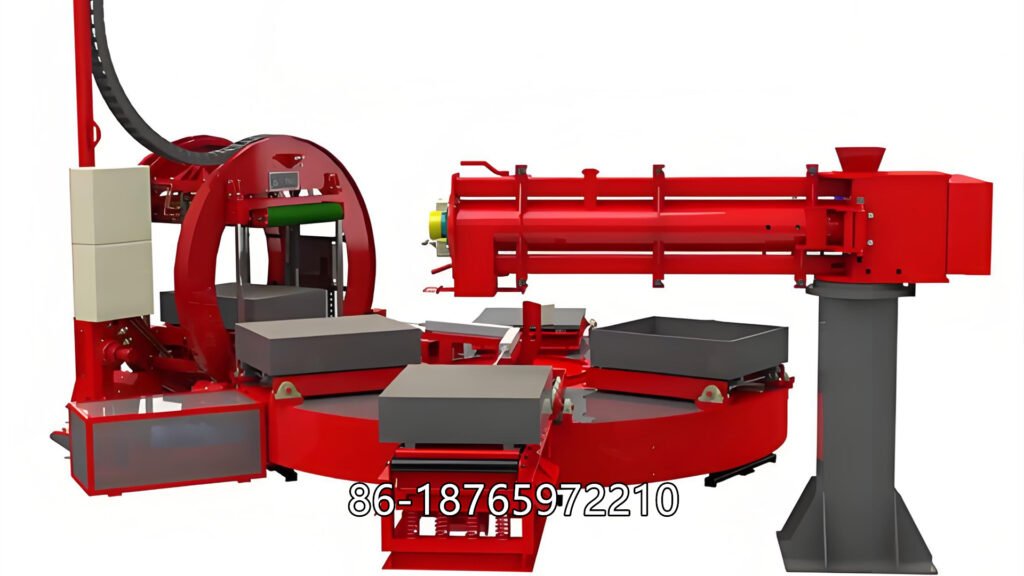
Why Choose Resin Sand Mixers in Modern Foundries?
Resin sand mixers have become indispensable in advanced foundries due to their ability to produce high-quality molds and cores with precision, efficiency, and minimal environmental impact. Their adoption aligns with industry demands for faster production cycles, superior casting finishes, and sustainable practices.
Enhanced Mixing Uniformity
Utilizes dual-shaft or helical blade systems to ensure even resin distribution (typically 1–3% binder-to-sand ratio), critical for mold strength and defect reduction.
Example: Eliminates “soft spots” in cores, reducing casting scrap rates by up to 15%.
Process Automation
PLC-controlled systems automate resin/hardener dosing, reducing human error and ensuring repeatability.
Data-driven: Sensors monitor viscosity and temperature, adjusting parameters in real time.
Material Versatility
Compatible with phenolic, furan, and cold-box resins, adapting to diverse alloy requirements (e.g., iron, steel, aluminum).
Supports reclaimed sand reuse, lowering raw material costs by 20–30%.
Operational Efficiency
Rapid mixing cycles (30–60 seconds/batch) vs. traditional methods (e.g., paddle mixers), boosting throughput.
Easy-clean designs minimize downtime between batches.
Environmental Compliance
Closed-loop systems reduce VOC emissions, meeting EU/US environmental standards.
Low-waste processes align with circular economy goals.
Resin sand mixers offer foundries a competitive edge through precision, automation, and sustainability. As casting complexity grows, their role in ensuring quality and efficiency will only expand.
Conclusion
As casting technologies advance, resin sand mixers continue evolving with smarter controls and higher precision, remaining indispensable for producing high-quality metal castings across automotive, machinery, and aerospace industries.