
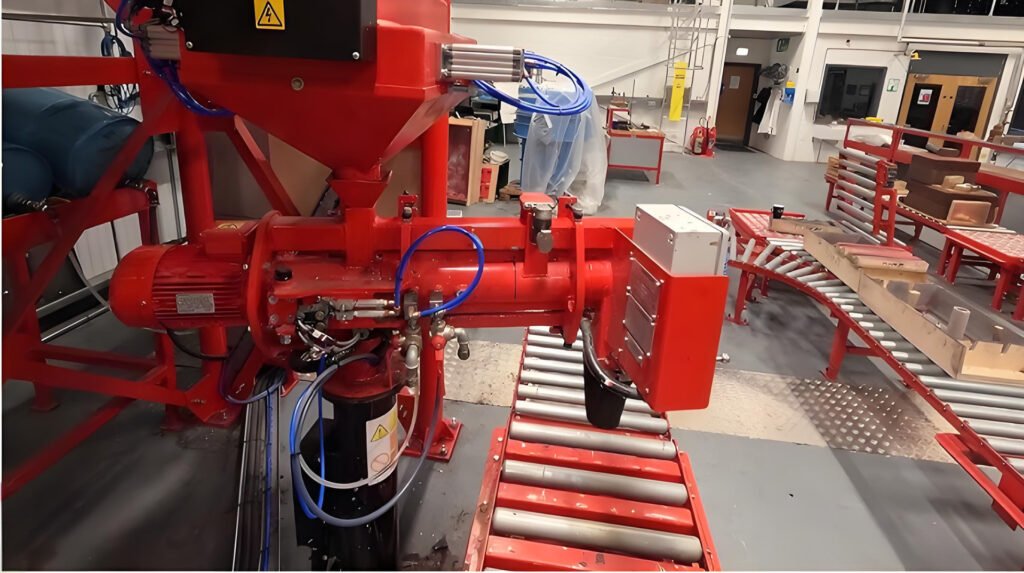
Foundry machinery plays a pivotal role in modern metalcasting operations, integrating advanced technologies that boost productivity, enhance casting precision, and streamline overall efficiency. From molding machines and core-making equipment to automated pouring systems and shakeout units, these machines are central to maintaining high-quality and cost-effective production in foundries.
Foundry machinery refers to specialized equipment used in the casting process to produce metal components by pouring molten metal into molds.
It encompasses a range of technologies for molding, melting, and finishing metal parts, serving industries like automotive, mining, and construction
Revolutionizing Metal Casting with Advanced Machinery
Foundry machinery is essential to today’s metalcasting industry, delivering the precision, speed, and efficiency needed for modern manufacturing demands.
In the metalcasting industry, foundry machinery serves as the backbone of production, incorporating cutting-edge automation and process control to ensure consistent quality, reduce waste, and optimize throughput.
The metal casting industry, a cornerstone of modern manufacturing, is undergoing a transformative shift driven by advanced machinery and innovative technologies. This revolution addresses long-standing challenges in precision, efficiency, and sustainability while unlocking new possibilities for complex component fabrication. Below, we explore key advancements and their implications.
The Evolution of Foundry Machinery
Early Industrial Foundations (18th–19th Century)
Foundry machinery traces its origins to the Industrial Revolution, where manual processes like sand casting and forge welding dominated. Early advancements included steam-powered hammers and hydraulic presses, which mechanized metal shaping. These innovations mirrored the broader “evolution of things” principle, where mechanical systems gradually replaced human labor through incremental improvements.
Automation and Computer Integration (20th Century)
The mid-20th century saw the rise of automation. Computer Numerical Control (CNC) machines revolutionized precision casting by enabling programmable workflows. This era aligned with the design and evolution philosophy seen in software engineering, where iterative updates refined functionality—a concept paralleled in C++’s development history. Foundries began integrating CAD (Computer-Aided Design) tools to streamline mold creation, reducing human error and material waste.
Software-Driven Design Revolution (2000s–2010s)
Advanced simulation software, such as The Foundry Mari, emerged to model complex 3D textures and casting behaviors. These tools allowed virtual testing of molten metal flow, thermal stresses, and defect prediction, echoing the “evolutionary ecology of words” concept where digital tools diversify problem-solving approaches. Meanwhile, frameworks like Edge X Foundry standardized IoT integration in industrial systems, enabling real-time monitoring of foundry environments.
AI and Embodied Artificial Evolution (2020s–Present)
Modern foundries leverage AI-powered platforms like Azure AI Foundry and Windows AI Foundry, which unify machine learning models for predictive maintenance and process optimization. These systems embody “Embodied Artificial Evolution” (EAE), where algorithms adapt to physical constraints—similar to biological evolution principles discussed in evolutionary computing research. For example:
Predictive Analytics: AI models forecast equipment failures by analyzing historical data.
Generative Design: Algorithms iteratively generate optimal casting geometries, minimizing material use.
Why Choose Our Foundry Machinery?
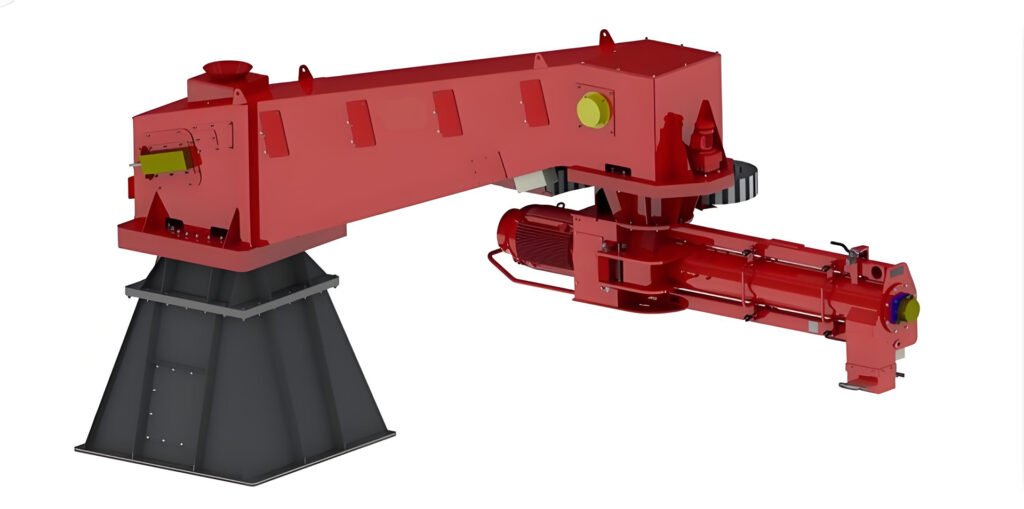
Choosing our foundry machinery means investing in reliability, innovation, and performance. Designed with cutting-edge technology and built for durability, our equipment delivers unmatched precision and consistency in every casting operation. Whether you’re scaling up production, improving product quality, or aiming to reduce operational costs, our solutions are engineered to meet the evolving demands of modern metalcasting.
Here’s what sets us apart:
- Advanced Automation: Improve productivity and reduce manual labor with intelligent, user-friendly control systems.
- High Precision: Achieve superior casting accuracy with state-of-the-art molding and pouring technologies.
- Durability & Reliability: Built with robust materials and components to ensure long-lasting performance under harsh foundry conditions.
- Customization Options: Tailored solutions to meet your specific production needs and space requirements.
- Comprehensive Support: From installation and training to maintenance and upgrades, our expert team ensures seamless operation at every stage.
Our machinery is trusted by foundries worldwide to drive efficiency, maintain high standards, and support sustainable growth. Partner with us to bring innovation and excellence to your metalcasting process.
Types of Foundry Machines
Molding Machines
- Create sand molds or shell molds to receive molten metal.
- Types include jolt-squeeze, flaskless, and automatic molding lines.
Core-Making Machines
- Produce sand cores that form internal cavities in castings.
- Common types: cold box, hot box, and shell core machines.
Melting Furnaces
- Melt metals using electric, induction, or cupola furnaces.
Pouring Machines
- Automatically pour molten metal into molds with precision, reducing spillage and defects.
Shakeout Machines
- Remove sand and separate castings from molds after solidification.
Sand Preparation & Reclamation Systems
- Mix and recycle molding sand for reuse, reducing waste and cost.
Casting Finishing Equipment
- Includes shot blasting, grinding, and cutting machines for final product finishing.
Core Features of Our Foundry Machinery
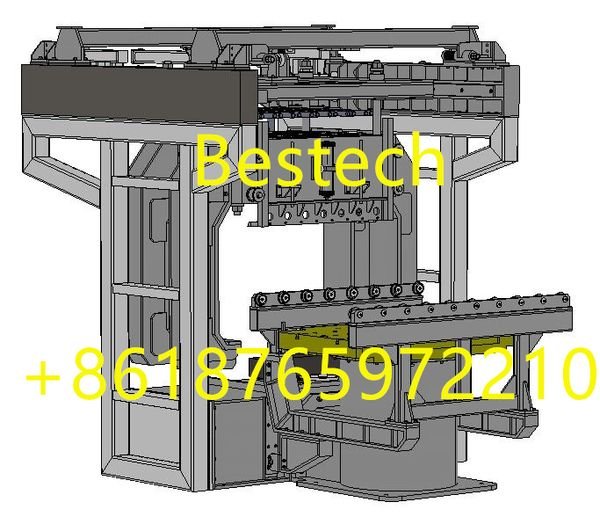
Our foundry machinery is engineered to deliver top-tier performance, combining innovation with rugged reliability. Below are the core features that make our equipment a preferred choice for modern metalcasting operations:
Precision Engineering
Our machines are designed with tight tolerances to ensure consistent, high-quality castings with minimal defects.
Advanced Automation
Equipped with programmable logic controllers (PLCs), sensors, and user-friendly interfaces, our systems reduce manual labor and increase production speed.
Robust Construction
Heavy-duty frames and wear-resistant materials ensure long service life and minimal downtime, even in the most demanding environments.
Flexible & Modular Design
Our machinery is adaptable to a wide range of casting requirements and can be easily integrated into existing production lines.
Energy Efficiency
Smart power management systems help lower energy consumption without compromising performance, supporting sustainable operations.
Easy Maintenance
Designed for accessibility and serviceability, our machines minimize downtime and maintenance effort with modular parts and clear diagnostics.
Real-Time Monitoring & Control
Advanced control systems allow real-time tracking of process parameters, enabling quicker adjustments and improved quality assurance.
Custom Solutions Available
We offer tailored configurations and features to meet unique production challenges, from small batch runs to high-volume operations.
Versatility: Meeting Diverse Casting Needs
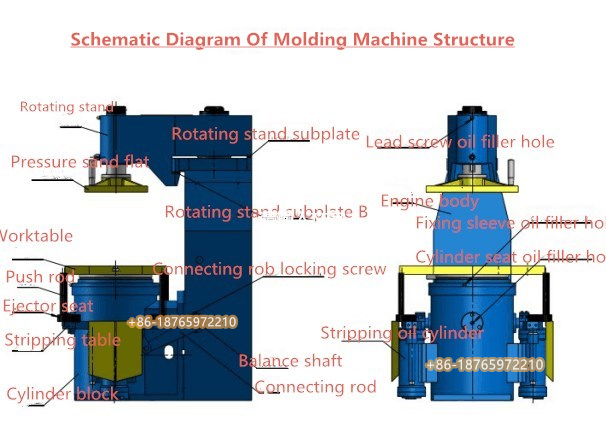
Our foundry machinery is built with versatility at its core, making it the ideal solution for a wide range of casting applications. Whether you’re producing small, intricate components or large, complex parts, our equipment adapts to your production requirements with ease.
Key Aspects of Our Versatility:
- Multi-Material Capability: Suitable for casting ferrous and non-ferrous metals, including aluminum, iron, steel, and bronze.
- Various Mold Types: Supports green sand, resin-bonded sand, shell molding, and other molding techniques.
- Scalable Production: Performs efficiently across small batch jobs and high-volume production lines.
- Customizable Setups: Modular components and adjustable parameters allow for quick changeovers and process optimization.
- Wide Industry Use: Trusted across automotive, aerospace, energy, construction, and general engineering sectors.
By delivering flexibility without compromising on precision or performance, our machinery empowers foundries to diversify their output, adapt to market demands, and stay competitive.
User-Friendly Design & Safety Features
Our foundry machinery is engineered not only for performance but also for the comfort and protection of your workforce. With intuitive controls, ergonomic layouts, and built-in safety systems, our machines ensure smooth operation while minimizing risks on the shop floor.
User-Friendly Design
- Intuitive Interfaces: Touchscreen controls with simple navigation make operation easy for both experienced technicians and new operators.
- Ergonomic Layouts: Thoughtfully arranged components reduce operator fatigue and improve workflow efficiency.
- Quick Setup & Changeovers: Modular parts and tool-free access simplify maintenance and adjustments, saving valuable time.
- Diagnostic & Alert Systems: On-screen notifications and error codes help identify issues quickly, minimizing downtime.
Safety Features
- Emergency Stop Systems: Easily accessible emergency stop buttons are strategically placed for quick shutdown when needed.
- Protective Enclosures & Guards: Critical moving parts are enclosed to prevent accidental contact and enhance operator safety.
- Overload Protection: Built-in sensors monitor load levels and automatically halt operation to prevent equipment damage or injury.
- Compliance with Safety Standards: Our machinery meets or exceeds international safety regulations, including CE and ISO standards.
Elevating Your Foundry Operations with Cutting-Edge Technology
In today’s competitive manufacturing landscape, technological advancement is key to staying ahead. Our foundry machinery integrates the latest in automation, digital control, and smart monitoring to transform your operations into a high-performance, future-ready production environment.
Key Technological Advancements:
- Smart Automation: Automate repetitive and labor-intensive tasks like molding, pouring, and shakeout with precision-guided systems that reduce errors and boost throughput.
- Real-Time Data Monitoring: Integrated sensors and IoT connectivity allow you to monitor machine performance, track production metrics, and identify potential issues before they disrupt operations.
- AI-Powered Process Optimization: Adaptive systems learn from historical data and adjust parameters in real time to maximize casting quality and reduce waste.
- Predictive Maintenance: Advanced diagnostics and machine learning algorithms forecast maintenance needs, minimizing downtime and extending equipment life.
- Seamless Integration: Easily connect our machinery with your existing ERP, MES, and quality control systems for synchronized, end-to-end foundry management.
By harnessing cutting-edge technology, our machinery empowers you to achieve higher productivity, lower operational costs, and superior casting quality—giving you a decisive edge in a rapidly evolving industry.
Conclusion
Foundry machine is specialized equipment used in the metalcasting process, where molten metal is poured into molds to form parts and components. These machines automate and streamline various stages of the foundry workflow, enhancing efficiency, consistency, safety, and product quality.