
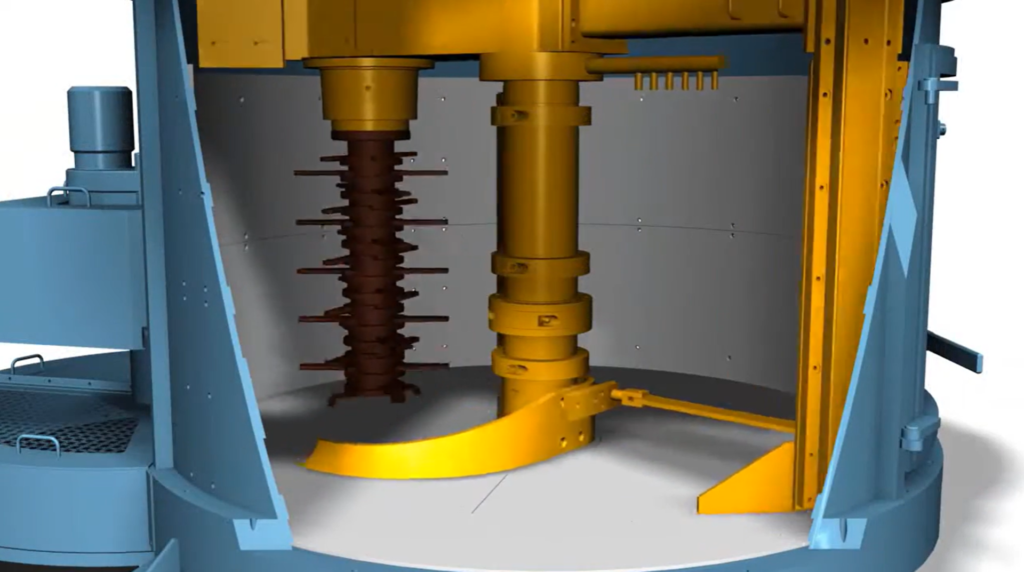
Still struggling with how to choose the right green sand mixer?
Choosing the right green sand mixer offers several strategic and operational advantages that directly impact your foundry’s productivity, quality, and cost-efficiency.
Select the right green sand mixer can definitely feel overwhelming, especially with so many types and specifications out there.
What is “Green Sand”?
Despite the name, “green” refers to moist sand, not the color. It is:
- Reusable
- Inexpensive
- Widely used for molding ferrous and non-ferrous metals
Green sand composition:
- Silica sand: Main component (up to 85–95%)
- Bentonite clay: Binds the sand (5–10%)
- Water: Activates the clay (2–4%)
- Additives (optional): Coal dust, cereals, etc., for better surface finish
What Does a Green Sand Mixer Do?
The mixer:
- Blends the components (sand, clay, water, etc.)
- Conditions the mix so it’s:
- Uniform in moisture
- Well-coated with clay
- Suitable for mold compaction
- Delivers sand to molding lines or sand hoppers
Types of Green Sand Mixers
| Mixer Type | How It Works | Best For |
|---|---|---|
| Muller (Batch) | Uses heavy wheels to knead and shear the mix | Small/medium foundries |
| Continuous Mixer | Constant feed and discharge; blades mix on the go | High-volume production |
| Intensive Mixer | High-shear rotor blades for precise mixing | Tight quality control, specialty casting |
Why It Matters
The quality of green sand directly affects:
- Mold strength
- Surface finish
- Casting accuracy
- Rework/reject rates
A well-selected and maintained mixer ensures consistent mold quality, reduces waste, and improves casting efficiency.
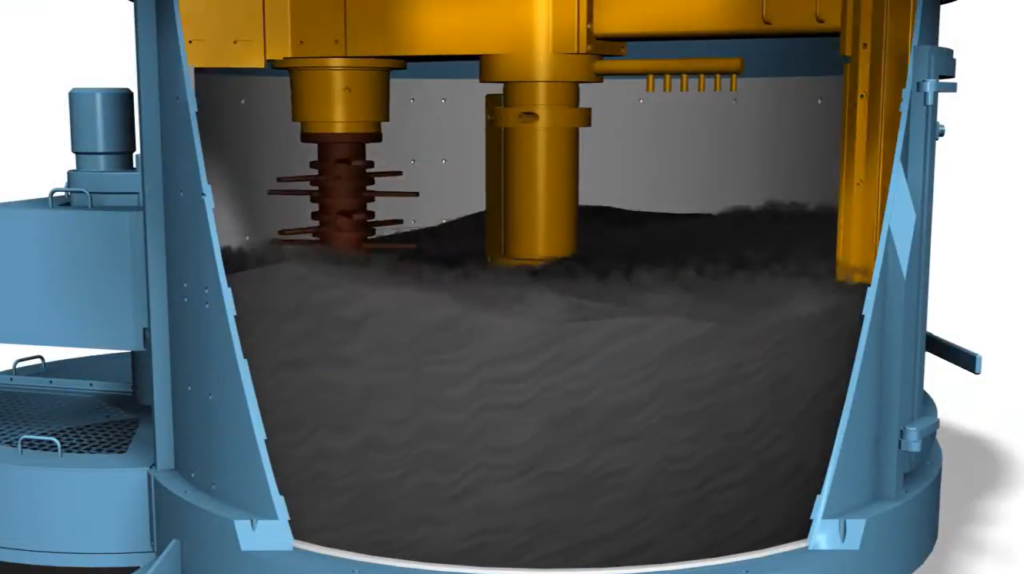
How to Choose the Right Green Sand Mixer
Choosing the right green sand mixer is critical for foundries aiming to optimize casting quality and production efficiency. Below is a detailed guide to help you make an informed decision.
Understand Your Production Requirements
Batch Size & Capacity: Determine the volume of sand needed per cycle. Small foundries may benefit from discontinuous mixers, while large-scale operations require continuous mixers.
Mixing Time: High-speed mixers reduce cycle time but may compromise homogeneity; evaluate based on your quality standards.
Evaluate Mixer Types
Batch Mixers: Ideal for precise control over sand properties; suitable for varied alloy types.
Continuous Mixers: Best for high-volume, consistent production with minimal downtime.
Rotor-Type vs. Turbine Mixers: Rotor mixers offer gentle blending for delicate molds, while turbine mixers ensure aggressive mixing for uniform consistency.
Key Features to Prioritize
Automation Level: Automated systems (e.g., PLC controls) enhance repeatability and reduce human error.
Durability & Maintenance: Opt for wear-resistant materials (e.g., hardened steel blades) and easy-access components for servicing.
Energy Efficiency: Compare power consumption per ton of sand processed to minimize operational costs.
Quality Assurance
Consistency Testing: Ensure the mixer delivers uniform moisture and clay distribution (e.g., via permeability tests).
Compatibility with Additives: Verify the mixer’s ability to integrate binders/coatings without clogging.
Selecting a green sand mixer hinges on balancing throughput, precision, and long-term reliability. Align your choice with specific production goals and consult industry experts for tailored recommendations.
Advantages of Choosing the Right Green Sand Mixer
1. Improved Mold Quality
- Consistent mixing ensures uniform distribution of clay, moisture, and additives.
- Leads to better surface finish, dimensional accuracy, and lower scrap rates.
2. Increased Production Efficiency
- A properly sized and selected mixer meets your TPH (tons per hour) requirements without bottlenecks.
- Reduces downtime and improves overall foundry throughput.
3. Reduced Material Waste
- Efficient mixers optimize the use of bentonite, water, and return sand.
- Less over-mixing or under-mixing, which reduces rework and wasted resources.
4. Lower Maintenance Costs
- The right mixer has components designed for your specific sand properties.
- Reduces wear-and-tear, unplanned shutdowns, and frequent part replacement.
5. Better Sand Control
- Many modern mixers integrate with control systems for monitoring:
- Moisture levels
- Bond additions
- Compactability
- Helps maintain tight sand quality specs.
6. Energy Efficiency
- Mixers optimized for your production avoid excessive power usage.
- Efficient mixing cycles = lower energy consumption per ton of sand.
7. Flexibility in Production
- The right mixer can support different mold sizes, sand recipes, and production volumes.
- Easier to scale or adjust operations based on orders.
8. Operator Ease and Safety
- Well-designed mixers offer user-friendly controls, automated functions, and safer maintenance access.
- Improves operator efficiency and reduces risk of injury.
9. Better ROI
- The right investment up front results in fewer quality issues, lower costs, and higher customer satisfaction—delivering long-term financial returns.
Conclusion
Choosing the right green sand mixer is more than just buying a machine—it’s an investment in the core of your molding process. It ensures quality casting, operational reliability, and cost-effectiveness.