
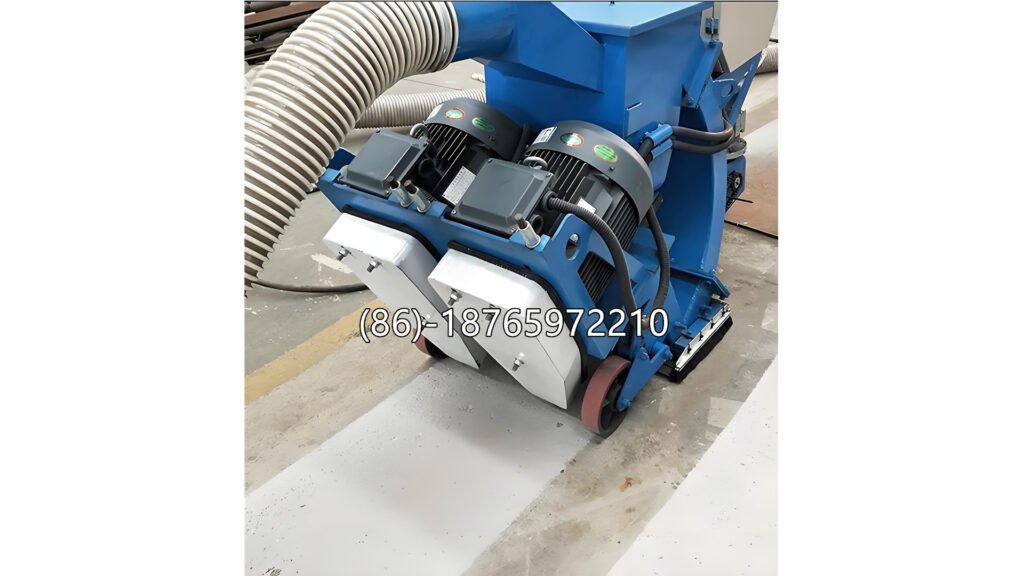
When it comes to surface preparation for flooring projects—whether industrial, commercial, or residential—the choice of method is crucial to achieving optimal bonding, durability, and finish. Two of the most common techniques are floor grinding and shot blasting. Each method offers unique advantages depending on the project requirements, surface condition, and final coating system. Below is a detailed comparison of the two methods to help you make an informed decision.
Difference Between Floor Grinding and Floor Shot Blasting
In the world of surface preparation, two techniques stand out as the most commonly used methods: floor grinding and floor shot blasting. Both serve the purpose of preparing concrete surfaces for coatings, overlays, or repairs, but they differ significantly in terms of process, results, and applications. Understanding the differences between these two methods is essential for selecting the right solution for your flooring project.
1. Process Overview
Floor Grinding
Floor grinding involves the use of rotating abrasive discs or diamond-tipped tools that mechanically grind the concrete surface. It smooths uneven areas, removes surface contaminants, and levels imperfections.
Shot Blasting
Shot blasting is a dust-free, dry process that involves propelling steel shot at high velocity onto the concrete surface. The impact removes coatings, contaminants, and weak surface layers while simultaneously roughening the surface for better adhesion.
2. Surface Profile and Adhesion
- Floor Grinding creates a smooth to lightly textured finish. It’s suitable for applications where minimal surface profiling is required, such as polishing or thin coatings.
- Shot Blasting produces a more aggressive and textured profile, making it ideal for surfaces that require heavy-duty bonding, such as epoxy, polyurethane, or cementitious overlays.
Winner: Shot Blasting – for superior mechanical bonding.
3. Dust and Environmental Impact
- Floor Grinding can generate significant dust, requiring vacuum attachments or dust collectors to control the mess.
- Shot Blasting is typically a closed-loop system with built-in dust collection, making it cleaner and more environmentally friendly.
Winner: Shot Blasting – cleaner and more contained operation.
4. Speed and Efficiency
- Floor Grinding can be slower, especially on large areas or tough coatings. Multiple passes may be required for thorough preparation.
- Shot Blasting is generally faster, particularly for larger floor areas or thicker coatings. It offers a one-pass system for most applications.
Winner: Shot Blasting – higher efficiency in most industrial settings.
5. Versatility and Surface Type
- Floor Grinding is more versatile for indoor use and areas where a smoother finish is preferred, such as showrooms or retail spaces.
- Shot Blasting is better suited for industrial, warehouse, or high-traffic surfaces where a stronger bond and slip-resistant texture are needed.
Winner: Depends on the application.
6. Cost Consideration
- Floor Grinding equipment and labor may be more cost-effective for small projects or light surface preparation.
- Shot Blasting might require a higher initial investment but reduces labor time and increases productivity on larger projects.
Winner: Depends on project size and requirements.
While both floor grinding and floor shot blasting are effective surface preparation techniques, the best choice depends on your specific project needs. If you require a smooth, leveled finish for a light-duty coating or polish, floor grinding is the preferred method. However, if your project demands aggressive preparation and strong coating adhesion, floor shot blasting delivers faster and more reliable results.
Choosing the right method ensures not only a better finish but also longer-lasting flooring performance.

When to Choose Floor Grinding and When to Choose Floor Shot Blasting
Proper surface preparation is crucial for the success and durability of any flooring system. Two of the most widely used methods are floor grinding and floor shot blasting. Each technique serves a specific purpose and is best suited for certain conditions. Understanding when to choose floor grinding or shot blasting can help ensure better performance, longer lifespan, and improved aesthetics for your floor.
When to Choose Floor Grinding
1. When a Smooth Finish Is Required
Floor grinding is ideal when the final surface needs to be smooth and even. This makes it perfect for polishing concrete or applying thin coatings, stains, or sealers that require a sleek base.
2. Light Surface Preparation
If the floor only requires minimal preparation, such as removing light coatings, adhesives, or minor imperfections, grinding is the preferred method.
3. Leveling Uneven Surfaces
Grinding effectively evens out high spots, reduces surface waviness, and flattens the floor. It’s a go-to solution for surface leveling before installing tiles, vinyl, or other flooring materials.
4. Indoor or Residential Settings
Grinding is less aggressive and produces less noise and vibration, making it suitable for indoor environments, residential spaces, or commercial settings where minimal disruption is essential.
5. Surface Repair and Restoration
For restoring old concrete by removing surface wear, stains, or small cracks, floor grinding is both practical and cost-effective.
When to Choose Floor Shot Blasting
1. Heavy-Duty Coating Preparation
Shot blasting creates a rough surface profile that provides excellent adhesion for thick coatings, epoxy systems, and industrial flooring. It’s ideal for preparing concrete before applying moisture barriers or resurfacing materials.
2. Removing Tough Coatings or Contaminants
Shot blasting is highly efficient at removing old paint, rubber coatings, oil stains, rust, and other stubborn residues that grinding may not effectively remove.
3. Large Industrial or Commercial Projects
Due to its speed and efficiency, shot blasting is the preferred method for large-scale projects such as factories, warehouses, parking garages, and bridge decks.
4. When Dust Control Is a Priority
Most shot blasting machines are self-contained with integrated dust collection systems, making them suitable for projects that require clean and dust-free environments.
5. Improving Surface Texture for Bonding
When a mechanical bond is critical to the performance of the coating or overlay, shot blasting is the superior choice due to the rough surface profile it creates.
Both floor grinding and floor shot blasting are effective surface preparation methods—but they serve different purposes.
- Choose floor grinding when smoothness, leveling, or light preparation is required.
- Choose floor shot blasting when high-performance coating adhesion, fast removal, or aggressive profiling is needed.
Selecting the right method not only improves application success but also enhances the durability and appearance of the final flooring system.
Conclusion
Both floor grinding and shot blasting have their strengths. If you’re preparing a surface for heavy-duty coatings, need optimal adhesion, or are working on large-scale industrial flooring, shot blasting is often the better choice. However, for projects requiring smoother finishes or where noise and impact must be minimized, floor grinding can be more appropriate.
Choosing the right surface preparation method ensures long-lasting results and better performance of your flooring system. Evaluate your project goals, material needs, and surface conditions to select the most suitable technique.