
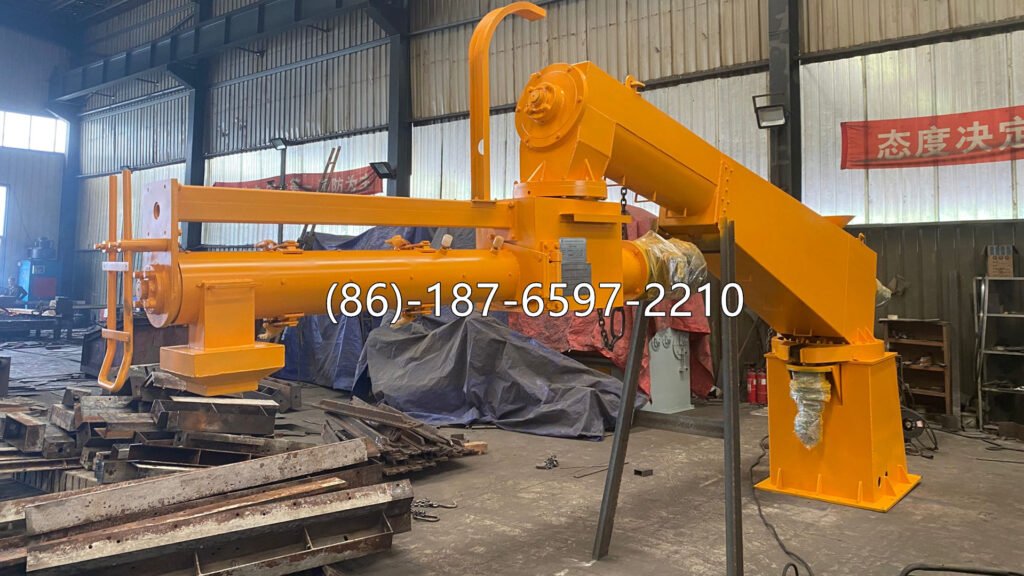
Resin sand mixer is a specialized piece of foundry equipment used to uniformly mix sand with liquid resin and a curing (hardening) agent to produce resin-bonded molding sand or core sand for metal casting.
Working mechanics And Benefits
Resin sand mixing machine is not just an auxiliary device, but a key piece of equipment that directly influences molding quality, production stability, and overall manufacturing efficiency. Understanding its working mechanics and practical benefits helps foundries make better technical and investment decisions.
Working Mechanics of a Resin Sand Mixing Machine
A resin sand mixing machine is designed to uniformly mix raw sand with liquid resin and curing agent according to a preset ratio. In actual operation, reclaimed sand and new sand are first fed into the mixing chamber. Inside the mixer, high-efficiency mixing blades or rotors generate strong shear, rolling, and throwing actions. This mechanical movement ensures that each sand grain is evenly coated with resin within a very short mixing time.
The resin and hardener are usually added through precise metering pumps. From an engineering standpoint, accurate dosing is critical, because even small deviations can affect sand strength, setting time, and surface finish of the casting. Advanced resin sand mixers are often equipped with automatic control systems, which monitor mixing time, material flow, and load conditions to guarantee stable and repeatable sand quality.
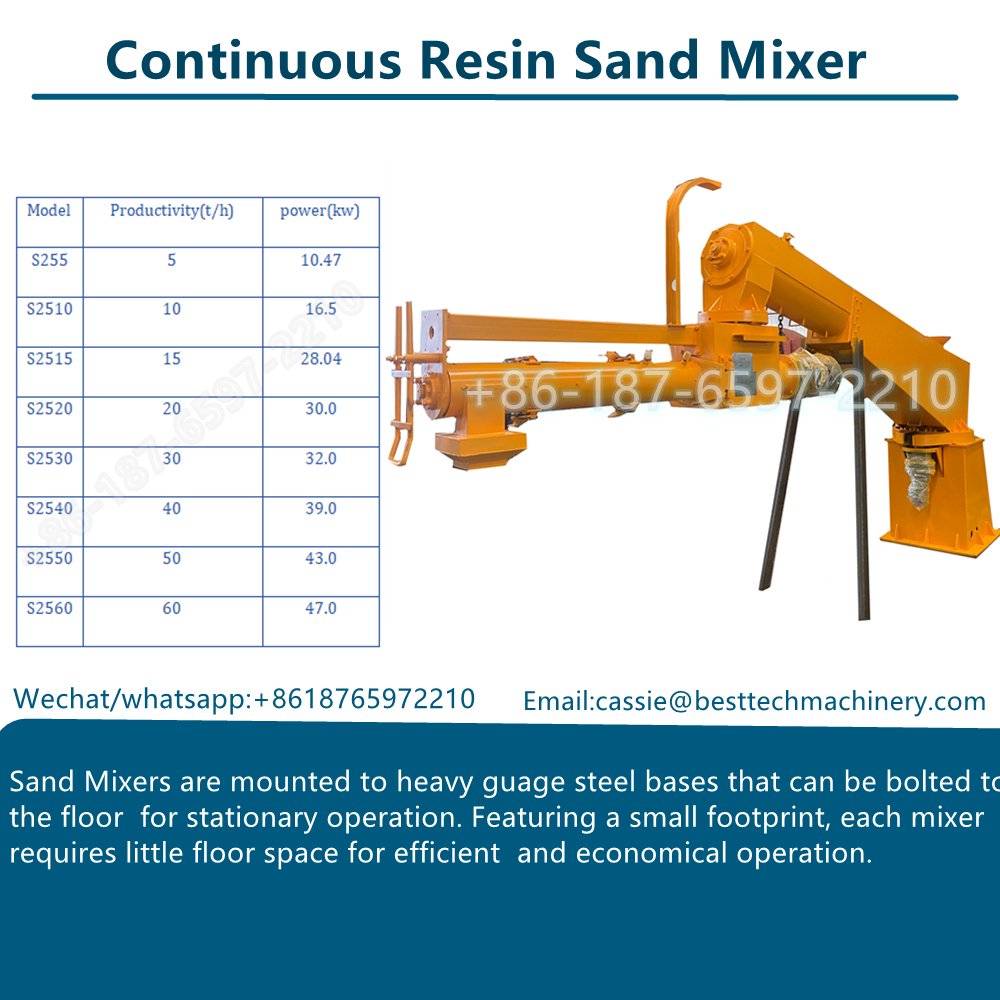
Key Mechanical Features
Structurally, a resin sand mixing machine emphasizes wear resistance and easy maintenance. The mixing chamber, blades, and liners are commonly made of high-chromium alloy or other wear-resistant materials to withstand continuous abrasion from sand. The compact layout of the machine reduces dead zones inside the mixer, ensuring consistent mixing without material accumulation.
Another important mechanical feature is the discharge system. Fast and clean discharge helps prevent residual sand from hardening inside the chamber, which is essential for maintaining long-term operational reliability.
Benefits in Foundry Production
From daily production experience, the most obvious benefit of a resin sand mixing machine is the stable quality of molding sand. Uniformly mixed resin sand provides consistent strength and permeability, which directly improves casting dimensional accuracy and surface quality.
In addition, high-efficiency mixing significantly shortens sand preparation time. This allows foundries to match high-speed molding lines and improve overall productivity. Reduced rework, lower scrap rates, and less manual intervention also contribute to cost savings.
Contribution to Process Control and Sustainability
Modern resin sand mixing machines support digital control and automation, making process parameters easier to adjust and record. This is especially valuable for foundries producing different castings with varying sand requirements.
From a sustainability point of view, efficient mixing improves the utilization rate of reclaimed sand and resin, reducing waste and material consumption. This not only lowers production costs but also supports cleaner and more environmentally responsible foundry operations.
Conclusion
In summary, understanding the mechanics and benefits of a resin sand mixing machine from an engineering perspective highlights its critical role in modern foundry production. By ensuring precise mixing, stable sand quality, and efficient operation, this equipment provides a solid technical foundation for producing high-quality castings while achieving higher productivity and better cost control.