
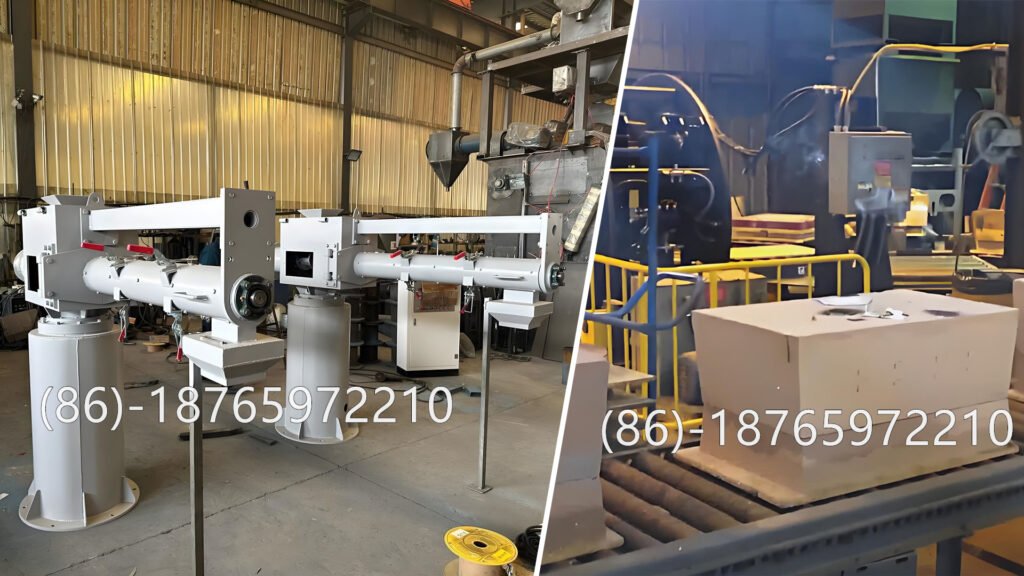
With the continuous development of the foundry industry, resin sand molding technology is moving toward higher efficiency, better quality, and stronger environmental performance. As the core equipment in the resin sand molding process, the resin sand mixing machine is also undergoing rapid technological upgrading. From an engineer’s point of view, the future advancements and trends of resin sand mixing machine technology can be mainly reflected in the following aspects.
1. Higher Mixing Precision and Process Stability
In the future, resin sand mixing machines will focus more on precise control of sand, resin, and curing agent proportions. Advanced weighing systems and intelligent control algorithms will be widely applied to ensure stable and repeatable mixing quality. By reducing human operation errors, the consistency of resin sand strength and surface quality of castings can be significantly improved.
2. Intelligent and Automated Control Systems
Intelligence is an important development direction for resin sand mixing machines. Modern PLC control systems combined with touch-screen HMI and industrial sensors will enable automatic adjustment of mixing time, rotor speed, and feeding sequence. Some high-end machines will be integrated with data monitoring and remote diagnostic functions, allowing engineers to analyze operating status and optimize production parameters in real time.
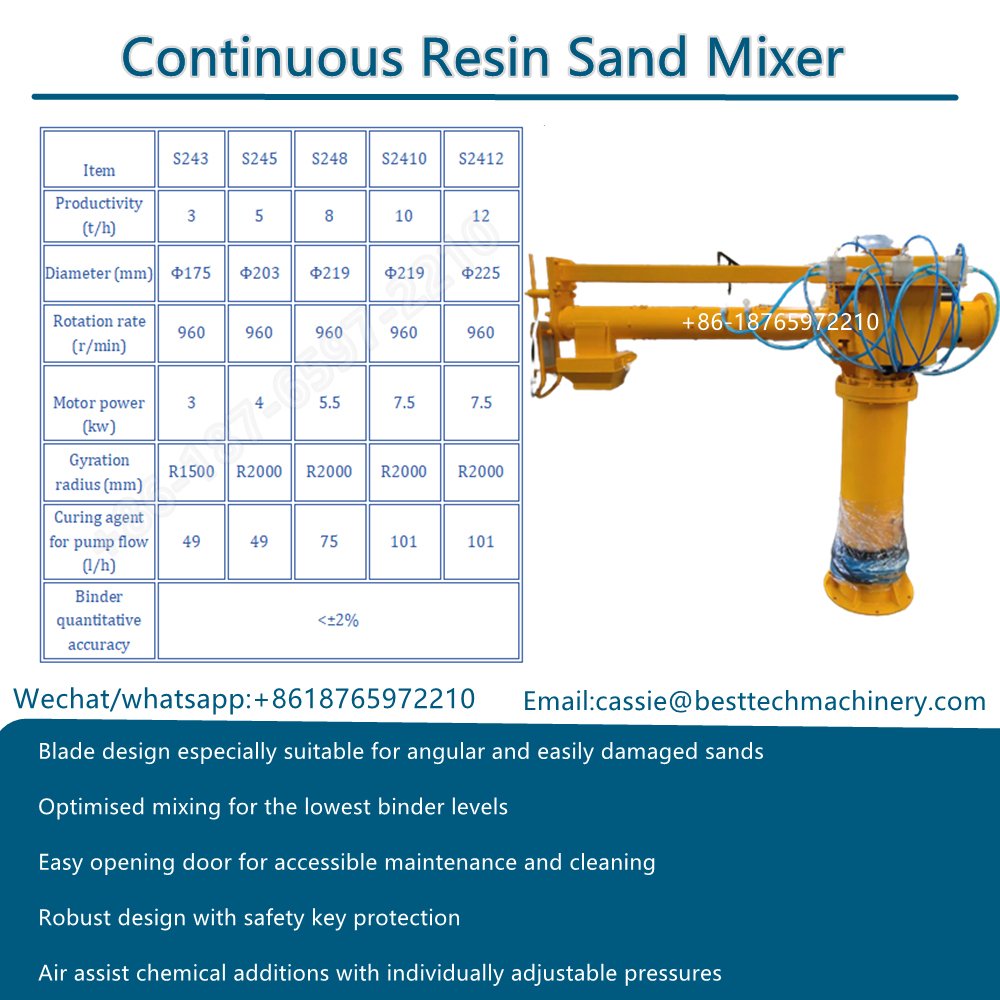
3. Energy-Saving and Environmental Protection Design
Under the trend of green manufacturing, energy efficiency and environmental protection have become key concerns. Future resin sand mixing machines will adopt optimized rotor structures, low-resistance mixing chambers, and high-efficiency drive systems to reduce power consumption. At the same time, better sealing design and dust-collection interfaces will help minimize resin odor and dust emissions, meeting stricter environmental regulations.
4. Improved Durability and Lower Maintenance Cost
Wear-resistant materials and modular design will be increasingly used in critical components such as mixing blades, liners, and discharge doors. This not only extends service life but also makes maintenance easier and faster. From an engineering perspective, reducing downtime and maintenance cost is an important trend to improve overall equipment efficiency.
5. Flexible Design for Different Resin Sand Processes
Future resin sand mixing machines will be more flexible to adapt to various resin systems, such as furan resin, phenolic resin, and alkaline phenolic resin. Adjustable mixing parameters and interchangeable components will allow one machine to meet different production requirements, which is especially valuable for foundries producing multiple casting types.
6. Integration with Foundry Production Lines
Another clear trend is the integration of resin sand mixing machines with sand reclamation systems, molding lines, and automatic conveying equipment. By forming a complete and intelligent molding line, material handling efficiency can be improved and labor intensity can be reduced, supporting the development of smart foundries.
Conclusion
In summary, the future development of resin sand mixing machine technology will move toward intelligence, precision, energy saving, and system integration. From an engineer’s viewpoint, these advancements will not only improve resin sand quality and production efficiency but also help foundries achieve stable, green, and sustainable development in a highly competitive market.