
Introduction
In modern metal casting, the quality of the green sand mold directly dictates the surface finish, dimensional precision, and scrap rate of the final product. Based on my years of experience in foundry automation, I’ve seen many plants struggle with density gradients and soft spots when using traditional jolt-squeeze equipment.
The Hydraulic Multi-Piston Sand Molding Machine has emerged as the definitive solution for these challenges. By delivering high squeezing force through a coordinated hydraulic system, it ensures a level of mold consistency that was previously unattainable in high-speed production.
What is a Hydraulic Multi-Piston Sand Molding Machine?
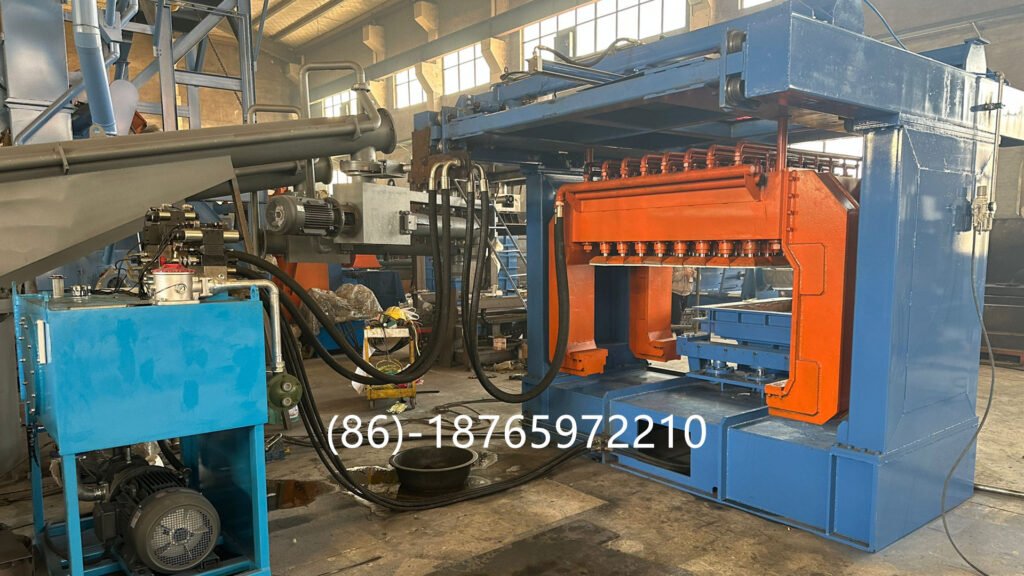
Hydraulic Multi-Piston Sand Molding Machine is a specialized green sand forming system that utilizes a matrix of individual hydraulic cylinders (pistons) to compact sand. Unlike single-cylinder designs, the multi-piston layout “conforms” to the pattern’s shape, distributing pressure precisely where it’s needed. This effectively eliminates density variations, which is critical for medium-to-large-scale casting operations.
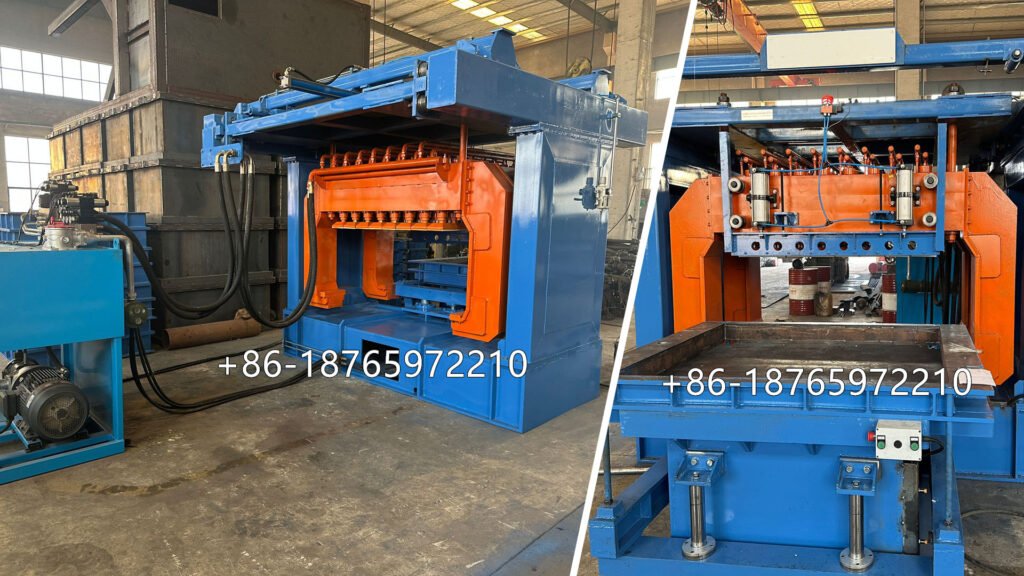
This design effectively improves mold density consistency, reduces casting defects, and increases production stability — especially for medium and large castings.
Main Structure and Engineering Components
To achieve high-density molding, the machine integrates several high-precision systems:
- Hydraulic Power Unit: Features variable displacement pumps and proportional valves to provide stable output while minimizing energy loss.
- Multi-Piston Squeeze Mechanism: A cluster of 16 to 48 (or more) hydraulic cylinders that operate in synchronization.
- Electrical Control System: A PLC-based (typically Siemens or Mitsubishi) interface that manages the molding cycle and safety interlocks.
- Pattern Lifting Device: Uses high-precision guide columns to ensure a smooth, vertical strip, preventing mold damage during separation.
Working Principle: Multi-Point Squeezing Explained
The core “magic” happens during the squeeze cycle:
- Filling: Green sand is dropped into the mold box.
- Engagement: The multi-piston head descends. Each piston adjusts its stroke based on the resistance of the sand over the pattern.
- Compaction: High-pressure hydraulic fluid (typically 10–16 MPa) drives the pistons to compact the sand.
- Result: Since the pistons act as a flexible press, the sand density remains uniform from the center to the edges of the flask, achieving a mold hardness of 85–95 HB.
Key Advantages: Why It Outperforms Jolt-Squeeze Machines
- Elimination of Soft Edges: Multi-point pressure distribution prevents the “soft edge” syndrome common in single-piston machines.
- Adjustable Compaction Strategy: Operators can fine-tune the pressure curve for different sand moisture levels (target 2.8%–3.5%).
- Reduced Noise & Vibration: Hydraulic operation is significantly quieter than mechanical jolt-squeeze units, improving the workshop environment.
- Higher Casting Yield: Uniform density leads to fewer gas holes and sand-inclusion defects.
Technical Parameters (Reference Range)
| Item | Technical Specification Range |
| Flask Size (mm) | 1000×900 up to 1400×1400 |
| Squeezing Force (kN) | 300 kN – 3000 kN |
| System Pressure (MPa) | 10 – 16 MPa |
| Molding Cycle Time | 20 – 45 seconds |
| Pattern Draw Stroke | 150 – 400 mm |
| Control Architecture | PLC Automatic / HMI Touchscreen |
Engineering Selection: How to Choose the Right Machine
Selecting a machine isn’t just about the price; it’s about process matching. Engineers should evaluate:
- Pattern Complexity: Deeper patterns require more pistons and higher strokes.
- Output Requirements: For continuous lines, look for machines with a cycle time under 30 seconds.
- Sand Compatibility: Ensure the hydraulic system can handle the specific compaction resistance of your green sand mix.
- Automation Level: Does it need to integrate with an existing mold conveyor or automatic pouring system?
Maintenance & Industry Standards
To maintain ISO 9001 and CE Machinery Directive compliance, a structured molding machine maintenance plan is essential:
- Oil Cleanliness: Maintain ISO 4406 18/16/13 levels to protect proportional valves.
- Seal Integrity: Inspect piston seals every 500 operating hours to prevent pressure drops.
- Lubrication: Use high-grade grease for guide columns to ensure stripping accuracy within ±0.1 mm.
Reference Standards:
- GB/T 23537: General Technical Conditions for Foundry Molding Machines.
- ISO 4413: Safety Requirements for Hydraulic Systems.
FAQ: Frequently Asked Questions
Q: Can I use this machine for both cope and drag?
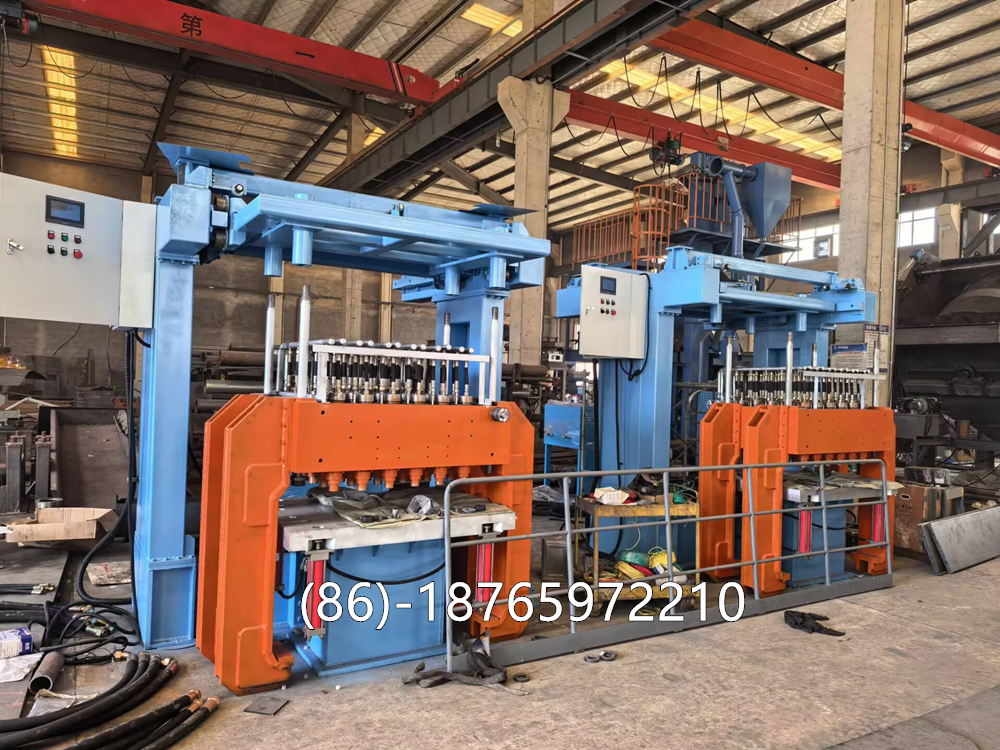
A: Yes, these machines are designed to handle both cope and drag boxes, either in a single station or a dual-machine configuration.
Q: How does it handle sand with high moisture?
A: The hydraulic pressure can be adjusted via the PLC to compensate for variations in sand flowability.
Q: What is the typical lifespan of the pistons?
A: With proper oil filtration and regular seal replacement, the core hydraulic cylinders can last 10+ years in a high-volume foundry.
Conclusion
The Hydraulic Multi-Piston Sand Molding Machine is more than just a piece of equipment; it’s a strategic investment in casting quality. By balancing high compaction force with intelligent hydraulic control, it allows foundries to stay competitive in an era of rising costs and stricter quality demands.
Ready to upgrade your molding line?
[Contact our Engineering Team Whatsapp+8618765972210] for a customized layout proposal.