
Phenolic resin sand mixing is not simply about putting sand and resin together. The real challenge is achieving stable binder distribution, consistent sand coating, controlled mixing time, and repeatable mold or core quality from batch to batch.
For foundries using phenolic resin, reclaimed sand, new sand, or blended sand, the mixer becomes one of the most important pieces of equipment in the sand preparation process.
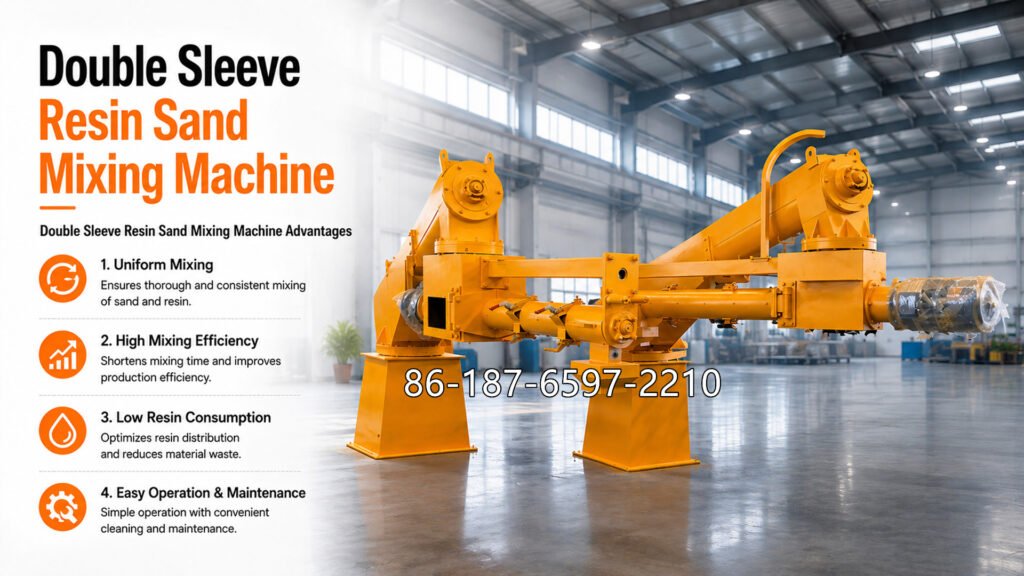
A properly configured Double Sleeve Sand Mixing Machine can provide a practical solution when higher mixing efficiency, better process stability, and easier integration with resin and catalyst dosing systems are required.
This guide explains how a double sleeve sand mixer works, why it can be suitable for phenolic resin sand, which parameters should be checked before purchase, and how to prepare an RFQ for an industrial sand mixing system.
1. What Is a Double Sleeve Sand Mixing Machine?
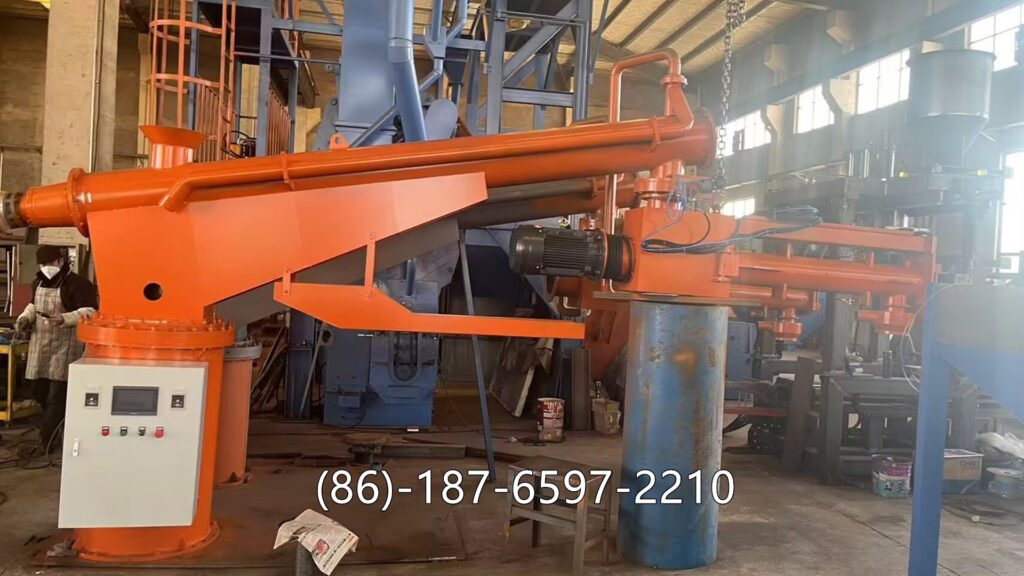
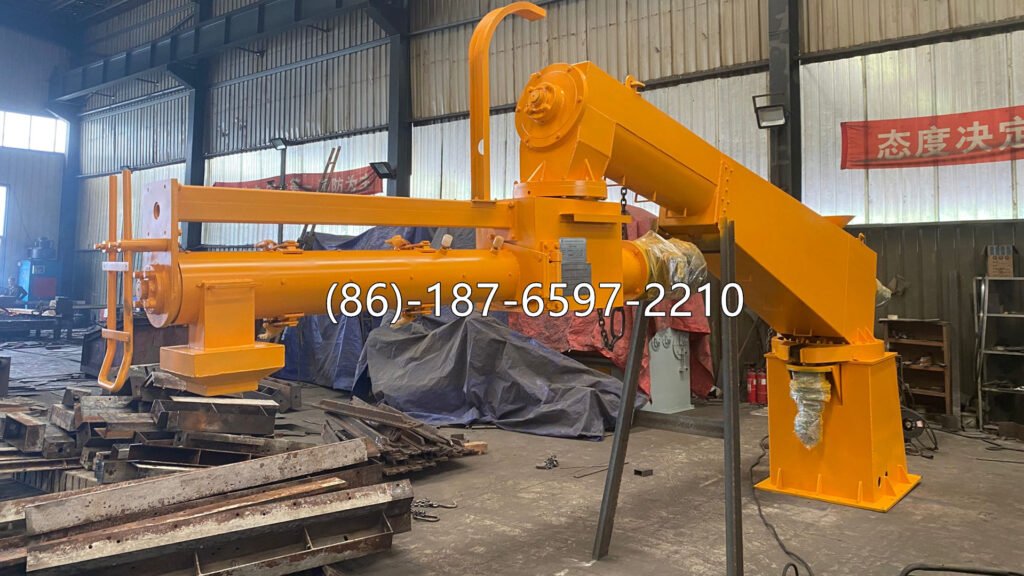
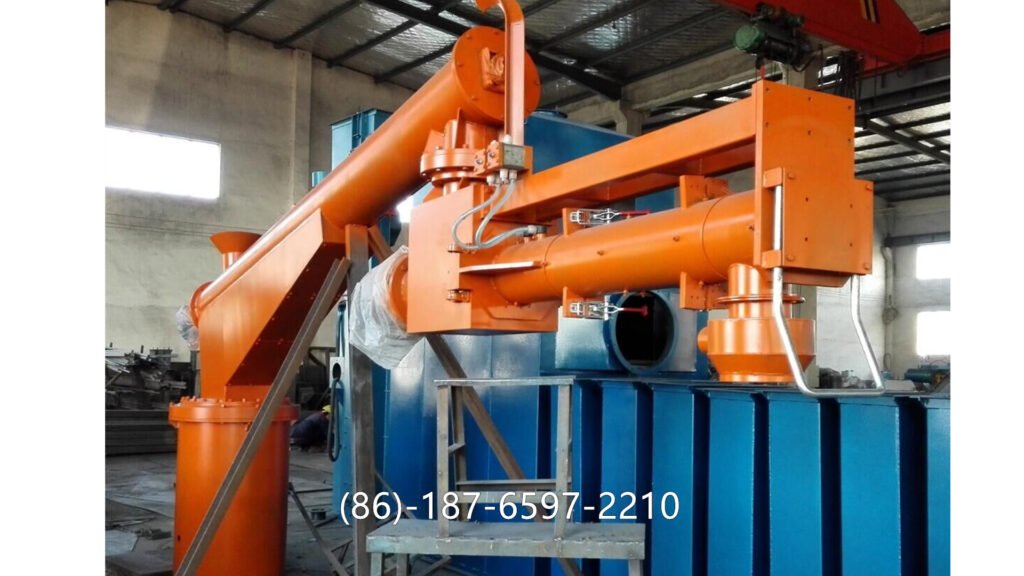
Double Sleeve Sand Mixing Machine is an industrial mixer designed to combine foundry sand with liquid binder systems such as resin and catalyst.
In a resin-bonded sand process, the machine needs to perform more than basic agitation.
It must:
- Feed and distribute sand evenly.
- Add resin and catalyst at controlled rates.
- Disperse liquid binder throughout the sand.
- Minimize unmixed or over-mixed areas.
- Deliver consistent sand quality to the molding or coremaking process.
- Discharge the prepared sand quickly enough for the required production cycle.
ISO 23062:2022 specifically covers foundry machinery for conditioning and reclaiming molding/coremaking sands and defines a sand mixer as equipment in which sand and bonding agents are mixed and conveyed to the discharge gate.
For phenolic resin sand production, the mixing system, binder dosing system, discharge system and control system should therefore be considered as one process, rather than selecting the mixer only by motor power.
2. Why Is Phenolic Resin Sand Mixing So Important?
Phenolic resin systems are sensitive to process control.
If the binder is not distributed uniformly, the resulting sand may show differences in:
- Bond strength
- Flowability
- Mold hardness
- Core strength
- Curing behavior
- Surface quality
- Collapsibility
- Gas generation
- Scrap rate
A mixer that produces inconsistent sand can therefore create problems downstream.
The important question is not:
The better question is:
“Can the mixer repeatedly produce the required sand quality at the required production rate?”
This is why foundry buyers should evaluate the entire mixing process instead of comparing machines only by motor size or price.
3. Why Choose a Double Sleeve Sand Mixing Machine?
For phenolic resin sand applications, the double-sleeve configuration can provide several practical advantages depending on the machine design.
3.1 Better Mixing Stability
The mixing chamber and internal mixing components are designed to generate intensive movement of the sand.
This helps distribute:
- Sand
- Phenolic resin
- Catalyst/hardener
- Additives
more evenly throughout the batch.
Uniform distribution is particularly important when binder dosage is relatively low compared with the total sand mass.
3.2 Suitable for Resin-Bonded Foundry Sand
A double sleeve mixer can be configured for different resin-bonded sand processes, including:
- Phenolic resin systems
- Furan resin systems
- No-bake resin sand
- Other chemically bonded sand systems
However, the actual mixing sequence and binder system should always be confirmed with the resin supplier and validated through production trials.
Different resin systems do not necessarily use the same:
- Binder percentage
- Catalyst percentage
- Addition sequence
- Mixing time
- Sand temperature
- Working time
4. Double Sleeve vs. Single Sleeve Sand Mixing Machine
The right configuration depends on production requirements.
| Factor | Single Sleeve Mixer | Double Sleeve Mixer |
|---|---|---|
| Small-batch production | Suitable | Suitable |
| Medium production | Suitable | Suitable |
| Higher mixing demand | Application dependent | Often preferred |
| Binder distribution | Good with correct design | Designed for intensive mixing |
| Process flexibility | Medium | Higher potential |
| Production integration | Available | Well suited |
| Automatic dosing | Optional | Optional |
| PLC control | Optional | Optional |
| Large-scale foundry application | Depends on model | Depends on model |
| Customization | Available | Available |
The important point is that “double sleeve” should not be treated as an automatic guarantee of better sand quality.
Internal geometry, mixing tool design, motor power, filling ratio, binder dosing accuracy, mixing sequence and discharge design all affect the final result.
For a serious B2B purchase, ask the manufacturer to perform a sample mixing test using your actual sand and binder system.
5. Typical Double Sleeve Sand Mixing Machine Parameters
The following values are typical engineering reference ranges, not universal specifications. Final parameters should be selected according to sand type, batch size, resin system, production rate and required mixing performance.
| Parameter | Typical Reference |
|---|---|
| Machine Type | Double Sleeve Sand Mixing Machine |
| Application | Resin-bonded foundry sand |
| Main Material | New / reclaimed / blended sand |
| Typical Batch Capacity | Approx. 100–1000 kg/batch |
| Production Capacity | Approx. 2–15 tons/hour |
| Main Motor | Approx. 11–45 kW |
| Binder | Phenolic resin / other resin systems |
| Catalyst | Process-dependent |
| Binder Dosing | Manual or automatic |
| Mixing Time | Approx. 1–5 min/batch, process dependent |
| Control | Electrical control / PLC + HMI |
| Discharge | Pneumatic / hydraulic / mechanical |
| Sand Temperature | Process dependent |
| Installation | Stand-alone or production-line integration |
| Customization | Available according to process |
Important:
Do not select a mixer based only on the stated tons/hour.
A machine rated at 10 tons/hour may not actually deliver 10 tons/hour in your process if:
- The required mixing time is long.
- Binder addition takes too long.
- Loading is slow.
- Discharge is slow.
- Reclaimed sand is difficult to mix.
- The next process cannot accept the sand quickly enough.
Actual capacity should be calculated from the complete cycle.
6. How to Calculate Real Production Capacity
For batch-type resin sand mixing:
Theoretical production capacity ≈ Batch weight × 60 ÷ Total cycle time
For example:
- Batch weight = 500 kg
- Mixing time = 3 minutes
- Loading + dosing + discharge + handling = 2 minutes
- Total cycle = 5 minutes
Then:
500 × 60 ÷ 5 = 6,000 kg/hour
The theoretical capacity is approximately:
6 tons/hour
But actual production may be lower because of:
- Operator handling
- Material feeding
- Equipment waiting time
- Cleaning
- Binder preparation
- Downstream equipment limitations
Therefore, when requesting a quotation, ask the supplier for both:
Rated Capacity + Recommended Continuous Working Capacity
7. Binder Dosing Accuracy Is More Important Than Many Buyers Think
Phenolic resin sand mixing depends heavily on accurate binder addition.
Too little binder may result in:
- Low strength
- Poor mold integrity
- Core breakage
- Sand loss
Too much binder may increase:
- Material cost
- Gas generation
- Cleaning difficulty
- Casting defects
- Reclamation difficulty
Therefore, a complete system should consider:
Sand weight → Resin dosing → Catalyst dosing → Mixing → Discharge
rather than treating the mixer as an isolated machine.
For automated systems, consider:
- Load cells
- Flow meters
- Metering pumps
- Calibration procedures
- Automatic dosing valves
- PLC recipes
- Alarm functions
8. Why Uniform Binder Distribution Matters
The purpose of mixing is not simply to move the sand.
The objective is to achieve uniform coating and distribution of the binder system around the sand grains.
A poor mixing pattern can create:
- Resin-rich areas
- Resin-poor areas
- Localized curing
- Uneven strength
- Variable mold quality
A properly engineered mixer should therefore provide sufficient mechanical energy without unnecessarily extending the mixing cycle.
This creates a balance:
Mixing intensity + Mixing time + Binder dosage + Sand condition
9. Phenolic Resin Sand: What Should Be Controlled?
Before choosing the machine, collect the following process data.
Sand
- New sand percentage
- Reclaimed sand percentage
- Sand grain size
- Sand moisture
- Sand temperature
- Bulk density
Resin
- Resin type
- Resin viscosity
- Recommended addition rate
- Storage temperature
- Supplier technical requirements
Catalyst / Hardener
- Catalyst type
- Addition ratio
- Addition sequence
- Required working time
Production
- Batch weight
- Tons/hour
- Number of batches/hour
- Required discharge height
- Available installation space
This information allows the manufacturer to size the mixer based on the actual process, not just a standard catalog model.
10. Reclaimed Sand and Phenolic Resin Mixing
Many foundries use reclaimed sand to reduce raw-material consumption.
However, reclaimed sand can have different characteristics from fresh sand.
Possible variables include:
- Residual binder
- Fines
- Temperature
- Moisture
- Grain distribution
- Flowability
Therefore, a resin sand mixer should be evaluated using the actual reclaimed-sand condition expected in production.
If the foundry operates a complete reclamation system, the mixer may be integrated with:
Shakeout → Crushing → Magnetic Separation → Reclamation → Cooling → Classification → Sand Storage → Mixing
This creates a more complete sand preparation system.
11. Sand Temperature Can Affect the Mixing Process
Sand temperature should not be ignored.
Temperature can influence:
- Resin viscosity
- Catalyst reaction
- Working time
- Curing speed
- Sand flowability
- Mixer cleaning requirements
For this reason, the mixer should not be selected independently from the sand cooling and reclamation system.
A more stable process is:
Reclaimed Sand → Sand Cooler → Classified Sand → Storage → Resin Sand Mixer
The exact operating temperature should be established according to the selected phenolic resin system and supplier recommendations.
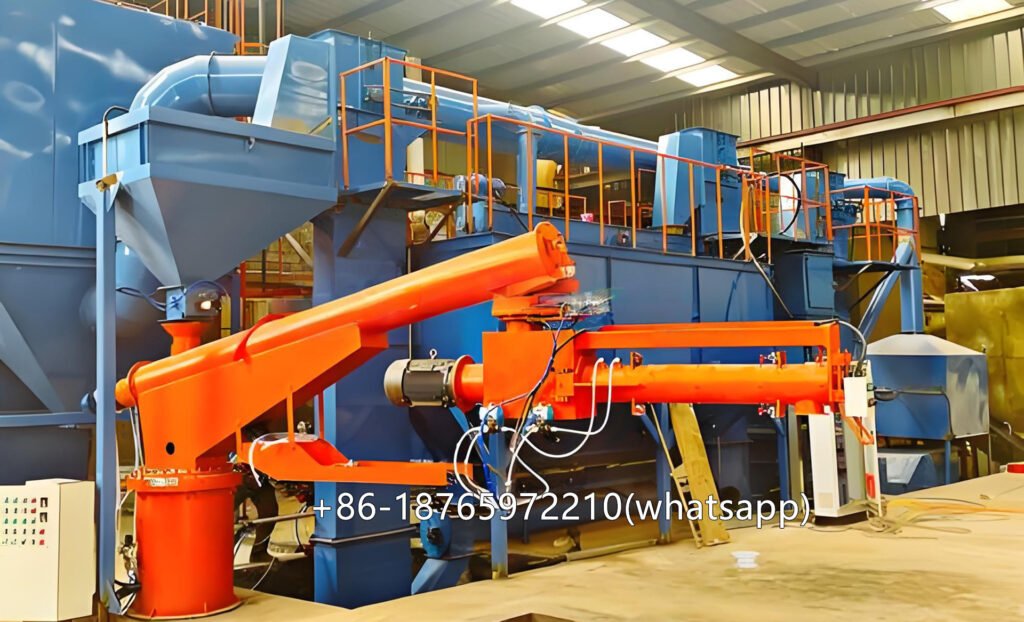
12. How a Double Sleeve Mixer Fits Into a No-Bake Foundry Process
A typical no-bake resin sand line can be arranged as:
Used Sand
↓
Shakeout
↓
Sand Crushing / Lump Breaking
↓
Magnetic Separation
↓
Sand Reclamation
↓
Cooling & Classification
↓
Sand Storage
↓
Double Sleeve Sand Mixing Machine
↓
Resin + Catalyst Dosing
↓
Prepared Resin Sand
↓
Molding / Coremaking
↓
Casting
This layout makes the mixer part of a complete material flow rather than a stand-alone machine.
13. How to Reduce Phenolic Resin Sand Mixing Costs
The cost of resin sand is not only the price of sand.
A more useful calculation is:
Total Sand Preparation Cost =
New Sand Cost + Resin Cost + Catalyst Cost + Energy + Labor + Maintenance + Scrap Cost
A mixer can contribute to cost reduction by improving:
1. Binder utilization
Accurate dosing reduces unnecessary binder consumption.
2. Mixing consistency
More consistent sand can reduce process variation.
3. Production efficiency
Shorter and more stable cycles can increase effective output.
4. Labor efficiency
Automatic loading and dosing reduce manual handling.
5. Maintenance efficiency
Replaceable wear parts can simplify maintenance.
14. Manual vs. Automatic Resin Sand Mixing
Manual System
Suitable for:
- Small foundries
- Flexible production
- Low production volume
- Frequent product changes
Advantages:
- Lower initial investment
- Simple operation
- Easier customization
Limitations:
- Higher labor dependence
- Manual dosing variation
- More difficult process recording
Automatic System
Suitable for:
- Medium/high production
- Continuous foundry operations
- Multiple sand recipes
- Higher process consistency requirements
Typical functions include:
- Automatic sand weighing
- Resin dosing
- Catalyst dosing
- Recipe management
- Mixing timer
- Automatic discharge
- Alarm monitoring
- Batch data recording
15. PLC + HMI Control for Phenolic Resin Sand Mixing
For industrial foundries, PLC control can make process management easier.
A typical HMI can display:
- Batch weight
- Resin quantity
- Catalyst quantity
- Mixing time
- Motor status
- Discharge status
- Alarm information
- Production count
Recipe-based control can also allow operators to store different parameters for different sand systems.
For example:
Recipe A — Phenolic Resin Sand
Recipe B — Furan Resin Sand
Recipe C — Different Reclaimed/New Sand Ratio
The exact control architecture should be designed around the foundry’s production process.
16. Mixer Wear Parts You Should Ask About
Before buying a double sleeve mixer, ask the manufacturer which components are designed as wear parts.
Typical items may include:
- Mixing blades
- Mixing arms
- Wear liners
- Scraper components
- Seals
- Bearings
- Discharge gate components
Ask for:
Material + Hardness + Expected Service Life + Replacement Method
This information is often more useful than simply asking for the machine’s motor power.
17. Maintenance Checklist
A practical maintenance program should include:
Daily
- Check abnormal noise.
- Check material leakage.
- Check discharge gate.
- Check resin/catalyst dosing.
- Clean material buildup.
Weekly
- Inspect mixing tools.
- Check seals.
- Inspect bolts and fasteners.
- Check motor and gearbox condition.
- Check dosing lines.
Monthly
- Inspect wear liners.
- Check bearings.
- Check electrical cabinet.
- Verify dosing accuracy.
- Check safety devices.
The actual maintenance interval should follow the manufacturer’s manual and operating conditions.
18. Safety Requirements for Foundry Sand Mixers
Safety should be part of the machine specification before purchase.
ISO 23062:2022 addresses foreseeable hazards and safety requirements for foundry molding/coremaking machinery and associated equipment, including machinery used to condition or reclaim foundry sands. The standard also references risk-reduction principles aligned with ISO 12100.
Important machine features may include:
- Guarding
- Emergency stop
- Safety interlocks
- Access protection
- Motor overload protection
- Safe discharge design
- Maintenance access
- Electrical safety measures
For electrical equipment, ISO 23062 notes that electrical hazards are covered by IEC 60204-1.
19. What About CE Compliance?
If the machine is intended for the European market, CE compliance should be discussed as part of the purchasing specification.
EU Regulation 2023/1230 establishes machinery conformity requirements and defines CE marking as an indication that machinery conforms to applicable Union harmonisation legislation. The regulation also specifies requirements around conformity assessment and the EU Declaration of Conformity.
Do not simply ask:
“Is this machine CE certified?”
Instead, ask the supplier for the applicable compliance documentation, such as:
- EU Declaration of Conformity
- Technical documentation where applicable
- Risk assessment
- Safety information
- Electrical documentation
- Applicable standards used for design
The exact conformity route depends on the machinery and applicable legislation.
20. ISO 9001 and Manufacturing Quality
For B2B equipment purchasing, the supplier’s manufacturing quality system can also matter.
ISO 9001 specifies requirements for establishing, implementing, maintaining and continually improving a quality management system. As of September 16, 2026, ISO’s official page lists the sixth edition, ISO 9001:2026, as under publication and states that it will replace ISO 9001:2015.
For a mixer manufacturer, buyers can ask about:
- Incoming material inspection
- Welding inspection
- Machining accuracy
- Motor and gearbox inspection
- Assembly inspection
- Electrical testing
- Factory acceptance testing
- Final performance testing
A certificate alone does not replace actual equipment testing.
21. Factory Acceptance Test: What Should You Test?
Before shipment, a B2B buyer can request a factory acceptance test.
Mechanical Test
Check:
- Motor rotation
- Mixing movement
- Abnormal vibration
- Abnormal noise
- Discharge operation
Electrical Test
Check:
- Motor current
- Emergency stop
- Interlocks
- Control cabinet
- PLC/HMI functions
Process Test
Use actual or representative:
- Sand
- Resin
- Catalyst
Then check:
- Mixing time
- Binder distribution
- Discharge performance
- Sand condition
- Production cycle
For resin sand equipment, a sample test is often more meaningful than a catalog specification alone.
22. How to Choose the Right Double Sleeve Sand Mixer
Use this 8-step method.
Step 1 — Define production capacity
How many tons/hour?
Step 2 — Define batch size
How many kilograms per batch?
Step 3 — Define sand composition
New sand?
Reclaimed sand?
Blended sand?
Step 4 — Define binder system
Phenolic?
Furan?
Other resin?
Step 5 — Define dosing method
Manual?
Semi-automatic?
Fully automatic?
Step 6 — Define mixing cycle
What is the required working time?
Step 7 — Define installation conditions
Check:
- Floor space
- Discharge height
- Feeding height
- Maintenance access
Step 8 — Request a real material test
Ask the manufacturer to mix your actual sand and binder.
23. Common Buying Mistakes
Mistake 1: Choosing only by motor power
A larger motor does not automatically mean better mixing.
Mistake 2: Ignoring binder dosing
An excellent mixer cannot compensate for inaccurate dosing.
Mistake 3: Ignoring reclaimed sand
Reclaimed sand can behave differently from new sand.
Mistake 4: Looking only at tons/hour
Always check the complete batch cycle.
Mistake 5: Not checking discharge time
A slow discharge system can reduce actual production capacity.
Mistake 6: No sample testing
Laboratory or factory testing can reveal problems before installation.
Mistake 7: Buying the cheapest machine
Initial purchase price is only one part of total equipment cost.
24. RFQ Template for Double Sleeve Sand Mixing Machine
If you are contacting a manufacturer, send the following information:
Product: Double Sleeve Sand Mixing Machine
Application: Phenolic Resin Sand Mixing
Required Capacity: ___ tons/hour
Batch Size: ___ kg/batch
New Sand: ___ %
Reclaimed Sand: ___ %
Sand Type: ___
Resin Type: Phenolic Resin
Resin Addition Rate: ___ %
Catalyst Type: ___
Catalyst Addition Rate: ___ %
Required Mixing Time: ___ seconds/minutes
Sand Temperature: ___ °C
Discharge Height: ___ mm
Automatic Dosing: Yes / No
PLC Control: Yes / No
Required Voltage: ___ V / ___ Hz
Installation Space: ___ × ___ × ___ mm
Destination Country: ___
Required Certification/Compliance: ___
Please provide:
- Technical proposal
- Machine dimensions
- Production capacity
- Motor power
- Binder dosing system
- Recommended wear materials
- Factory testing method
- Spare parts list
- Delivery time
- Warranty terms
- Installation/commissioning support
- Price and shipping terms
This information allows the supplier to make a much more accurate technical proposal.
25. Why Work With a Customized Resin Sand Mixer Manufacturer?
Every foundry has different:
- Sand
- Resin
- Catalyst
- Production volume
- Mold size
- Layout
- Automation requirements
Therefore, a standard machine is not always the best solution.
A customized double sleeve sand mixer can be designed around:
Your Sand + Your Binder + Your Capacity + Your Layout + Your Automation Level
Possible customization includes:
- Batch capacity
- Motor power
- Mixing tools
- Wear liners
- Resin dosing
- Catalyst dosing
- Hopper size
- Discharge height
- PLC system
- HMI language
- Automatic feeding
- Production-line integration
26. Double Sleeve Sand Mixing Machine FAQ
What is a double sleeve sand mixing machine?
It is an industrial foundry mixer used to mix sand with liquid binders such as resin and catalyst for producing resin-bonded molding or core sand.
Can it mix phenolic resin sand?
Yes, a properly configured machine can be designed for phenolic resin sand. However, resin type, catalyst, dosing rate, mixing sequence and working time should be confirmed through the process requirements.
Can it mix reclaimed sand?
Yes. The machine can be configured for new sand, reclaimed sand or blended sand. Actual sand characteristics should be tested before final machine selection.
What is the typical capacity?
Typical engineering reference ranges may be approximately 100–1000 kg/batch and 2–15 tons/hour, but the actual capacity depends on batch weight and complete cycle time.
Can the mixer use automatic resin dosing?
Yes. Automatic resin and catalyst dosing systems can be integrated with pumps, flow meters, weighing systems and PLC control.
How long does resin sand mixing take?
There is no universal mixing time. It depends on sand properties, binder system, mixer geometry, batch size and required sand quality. A typical engineering starting range may be around 1–5 minutes per batch, subject to testing.
Can the machine be integrated with a sand reclamation line?
Yes. A typical arrangement is:
Reclamation → Cooling → Classification → Storage → Mixing → Molding
Is PLC control available?
Yes. PLC + HMI control can be used for recipe management, dosing, mixing timing, alarms and production monitoring.
How can I select the right model?
Provide the supplier with your batch weight, tons/hour, sand type, new/reclaimed ratio, phenolic resin specification, catalyst, mixing time, discharge height and installation conditions.