
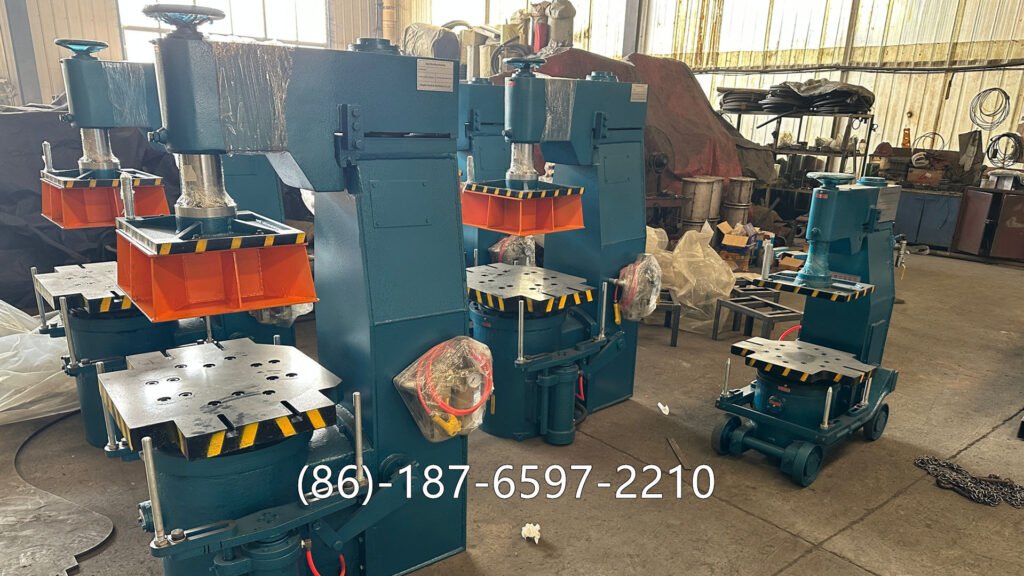
Jolt squeeze sand molding machine is a traditional and widely used foundry molding machine designed to produce sand molds for metal casting. It forms molds by compacting molding sand around a pattern using a combination of jolting and squeezing actions, which ensures uniform sand density and sufficient mold strength.
1. Introduction
The jolt squeeze sand molding machine is a widely used molding equipment in traditional foundry production. It is especially suitable for small and medium-sized castings with high dimensional accuracy requirements. By combining jolt compaction and squeeze compaction, this machine can achieve uniform sand density, stable mold strength, and reliable casting quality.
This article introduces a comprehensive step-by-step operating guide for the jolt squeeze sand molding machine from an engineer’s practical perspective, helping operators improve efficiency, reduce defects, and ensure safe production.
2. Basic Working Principle
The jolt squeeze sand molding machine operates based on two main actions:
- Jolt Action: The molding table is lifted and dropped repeatedly, allowing sand particles to rearrange and compact naturally under gravity.
- Squeeze Action: A squeeze head applies uniform pressure on the sand surface to further increase mold density and strength.
The combination of these two processes ensures better compaction, especially around pattern edges and deep cavities.
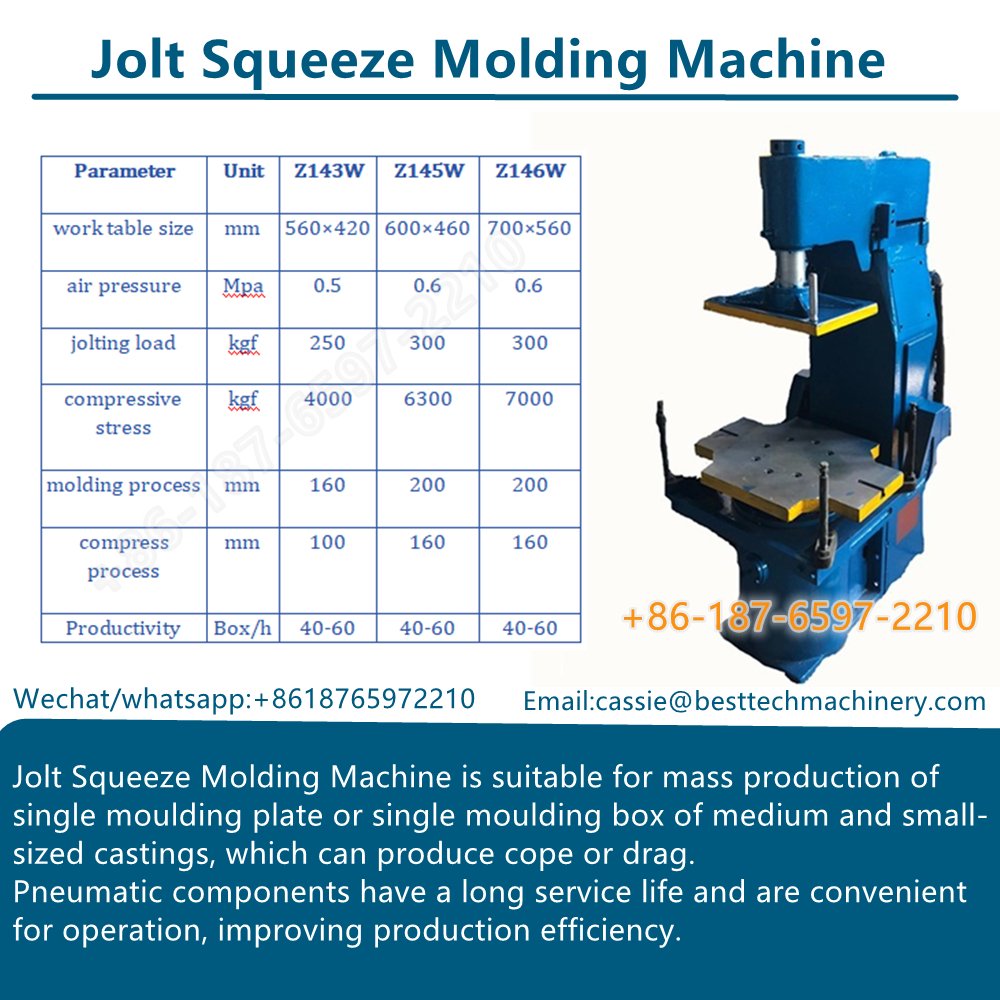
3. Pre-Operation Preparation
Before starting the machine, the following preparation steps must be carefully completed:
3.1 Machine Inspection
- Check hydraulic, pneumatic, and electrical systems for leaks or abnormalities
- Ensure guide columns, moving parts, and joints are properly lubricated
- Confirm emergency stop and safety interlock devices are functioning correctly
3.2 Pattern and Flask Preparation
- Clean the pattern surface and apply appropriate release agent
- Ensure the flask is correctly positioned and firmly fixed
- Check pattern alignment to avoid offset or mold distortion
3.3 Sand Condition Check
- Confirm sand moisture content, strength, and permeability meet process requirements
- Remove impurities and ensure uniform sand distribution
4. Step-By-Step Operating Procedure
Step 1: Sand Filling
Fill the prepared molding sand evenly into the flask. Manual or automatic sand feeding can be used depending on machine configuration. Proper filling ensures stable compaction in later stages.
Step 2: Jolt Compaction
Activate the jolt function. The molding table performs repeated lifting and dropping motions, allowing sand to settle uniformly around the pattern.
- Adjust jolt number and frequency according to mold size
- Excessive jolting should be avoided to prevent sand segregation
Step 3: Squeeze Compaction
After jolting, the squeeze head descends to apply pressure on the sand surface.
- Set appropriate squeeze pressure based on sand properties
- Ensure even pressure distribution to avoid hard or soft zones
Step 4: Mold Leveling and Finishing
Trim excess sand from the flask surface and smooth the mold face. This step helps improve mold flatness and ensures proper mating of cope and drag.
Step 5: Pattern Withdrawal
Carefully withdraw the pattern using manual or pneumatic pattern draw mechanisms.
- Maintain stable lifting speed
- Avoid vibration to prevent mold damage
Step 6: Mold Inspection
Inspect the mold cavity for cracks, loose sand, or deformation. Repair minor defects immediately before moving to pouring operations.
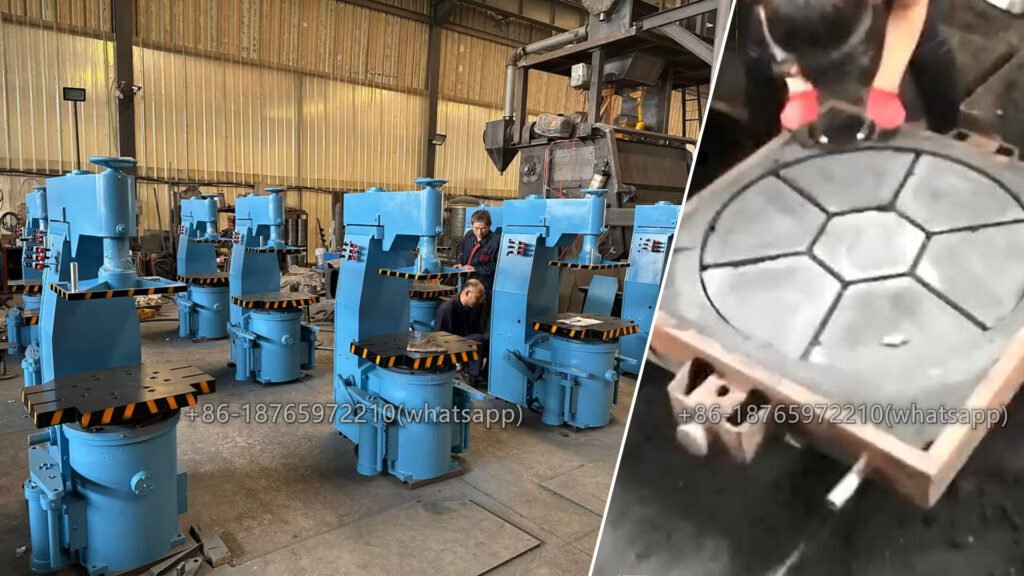
5. Key Operating Parameters
For stable molding quality, the following parameters should be controlled:
- Jolt frequency and stroke height
- Squeeze pressure and duration
- Sand moisture and compactability
- Pattern surface condition
Proper parameter adjustment can significantly reduce defects such as scabbing, sand collapse, and dimensional deviation.
6. Safety Precautions
- Operators must wear protective gloves, safety shoes, and helmets
- Never place hands inside the flask during machine operation
- Stop the machine immediately if abnormal noise or vibration occurs
- Perform maintenance only when the machine is fully powered off
Safety awareness is essential for long-term stable operation.
7. Routine Maintenance Recommendations
- Clean sand residues daily to prevent component wear
- Check hydraulic oil level and quality regularly
- Inspect seals, cylinders, and moving parts for wear
- Conduct periodic calibration of pressure and stroke settings
Proper maintenance not only extends machine service life but also ensures consistent mold quality.
8. Conclusion
The jolt squeeze sand molding machine remains a reliable and efficient solution for foundries producing high-quality castings. By following a standardized operating procedure, controlling key parameters, and emphasizing safety and maintenance, foundry engineers can achieve stable production, reduced defects, and improved overall efficiency.
A well-operated jolt squeeze molding machine is not only a piece of equipment, but also a guarantee of consistent casting quality in modern foundry practice.
9. Jolt Squeeze Sand Molding Machine – FAQ
Q1: What is a jolt squeeze sand molding machine?
A jolt squeeze sand molding machine is a foundry molding machine that produces sand molds by combining jolt compaction and squeeze compaction. The jolt action helps sand settle uniformly around the pattern, while the squeeze action increases overall mold strength and surface hardness.
Q2: How does a jolt squeeze sand molding machine work?
The machine operates in two main stages:
- Jolting – the molding table moves up and down repeatedly, allowing sand to compact by gravity.
- Squeezing – a squeeze head applies vertical pressure to the sand surface for final densification.
This combination ensures uniform sand density from bottom to top.
Q3: What types of sand can be used?
Jolt squeeze molding machines are mainly designed for:
- Green sand
- Clay-bonded sand
- Some resin-coated sands (depending on machine configuration)
Green sand is the most commonly used due to its good compactability and cost efficiency.
Q4: What size of castings is suitable for this machine?
This machine is ideal for small to medium-sized castings, such as:
- Valve bodies
- Pipe fittings
- Automotive parts
- Machinery components
It is not recommended for very large or highly complex castings.
Q5: What are the main advantages of a jolt squeeze sand molding machine?
Key advantages include:
- Uniform mold density
- Reliable mold strength
- Simple structure and stable operation
- Low investment cost
- Easy operation and maintenance
Q6: What are the limitations of jolt squeeze molding machines
Some limitations are:
- Lower automation compared to high-pressure molding lines
- Limited productivity for very high-volume production
- Manual pattern handling in some models
Q7: What are the key operating parameters?
Important parameters include:
- Jolt frequency and stroke
- Squeeze pressure and duration
- Sand moisture content
- Pattern surface condition
Proper adjustment is critical to avoid defects such as sand collapse or uneven hardness.
Q8: What defects can occur if the machine is not properly adjusted?
Common defects include:
- Soft mold zones
- Sand scabbing
- Mold cracking
- Dimensional inaccuracy
Most issues can be solved by optimizing jolt and squeeze settings.