
Buying new foundry equipment isn’t just a purchase—it’s a long-term investment that can make or break your productivity.
Many manufacturers fall into avoidable traps that lead to mismatched machines, rising maintenance costs, or limited capacity down the line. Learn how to avoid these mistakes and buy smarter.
If you’re planning to upgrade equipment, expand your line, or launch a new production project, this guide is your starting point. Whether you’re a plant manager or an operations lead, let’s make sure your investment drives performance—not regret.
Mistake #1: Focusing Only on Price Instead of Lifetime ROI
You saved money upfront, but five years later, you’ve spent more on repairs, energy, and lost productivity.
Initial price is only one piece of the puzzle. Total Cost of Ownership (TCO) is what truly defines value.
| Cost Factor | Low-Cost Machine | Bestech Custom Equipment |
|---|---|---|
| Initial Purchase | $50,000 | $78,000 |
| 5-Year Maintenance | $35,000 | $12,000 |
| Energy Consumption | High | Optimized per cycle |
| Downtime Losses | Frequent | Rare |
| 5-Year Total Cost | $105,000+ | ~$90,000 |
Bestech Tip: Always ask vendors for energy usage per cycle and their expected maintenance frequency. TCO tells the real story.
Mistake #2: Ignoring Equipment Compatibility With Your Foundry Workflow
Does the equipment integrate with your production flow? Match your takt time? Handle your material specs?
Incompatibility can lead to rejected parts, production gaps, or costly reconfigurations.
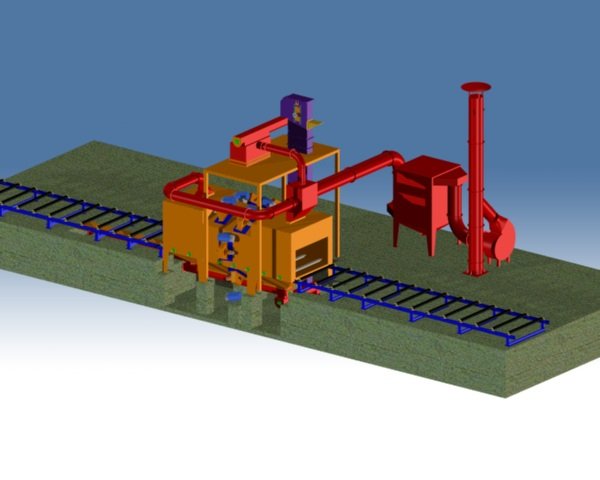
Before you sign a contract, ask:
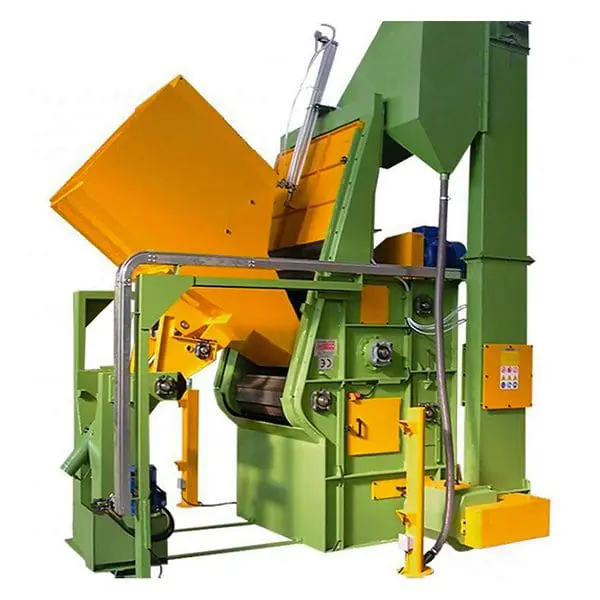
- Is the shot blasting wheel speed aligned with your takt time?
- Can it handle your part sizes, weights, and materials?
- Is the control system compatible with your existing PLC/SCADA systems?
🛠 Pro Tip: Use a production line diagnostic or consult with a provider like Bestech. We analyze your workflow and design equipment that fits seamlessly into it.
Mistake #3: Choosing a One-Size-Fits-All Solution
That universal machine may look appealing—but it wasn’t built for your parts, your rhythm, or your environment.
Generic equipment often leads to generic results—slower throughput, higher energy use, and more rework.
| Industry | Common Needs | Why Customization Matters |
|---|---|---|
| Automotive | High-speed, high-precision blasting | Consistency across thousands of units |
| Pipe Manufacturing | Long parts, internal + external cleanup | Specialized conveyors, dual blasting |
| Shipbuilding | Large, heavy steel plates | Requires open-frame, high-power systems |
Custom doesn’t mean expensive. In fact, it means optimized—every dollar goes to features that improve your process.
Mistake #4: Underestimating Installation & Maintenance Complexity
It’s not just about the machine—it’s about getting it running and keeping it running.
Lack of planning around installation, service access, or spare part availability leads to delays and extra costs.
Questions to ask before you buy:
- Does the supplier offer on-site installation support?
- How long will setup take?
- Is operator training included?
- Can I easily access consumables and spare parts?
- Do they provide remote troubleshooting or monitoring?
- Are maintenance manuals and schedules included?
- What’s the average downtime for common repairs?
📥 Download: “7 Essential Questions to Ask Foundry Equipment Suppliers” (PDF Placeholder)
We’ve seen customers struggle with suppliers who disappear after delivery. Don’t let that be you.
Mistake #5: Not Evaluating the Vendor’s Long-Term Support Capability
A reliable vendor does more than sell machines—they stick around to ensure your long-term success.
No service team? No preventative maintenance plan? That’s a red flag.
Bestech’s support model includes:
- Dedicated engineer teams for each client
- 48-hour response for international service calls
- Remote diagnostics via IoT system integration
- Preventive maintenance scheduling
- 10+ years of equipment service life documentation
🏆 One of our Southeast Asian customers saw a 98.7% uptime rate over 7 years—with minimal service interruptions.
Don’t settle for “deliver and disappear.” Choose a partner who takes your uptime seriously.
Smart Buyer Checklist: What You Should Do Instead
Before you make a decision, run through this checklist:
✅ Define your takt time and desired efficiency
✅ Work with suppliers who offer customization
✅ Request a 3-year Total Cost of Ownership estimate
✅ Confirm spare part and maintenance accessibility
✅ Ask for certifications (ISO, CE) and real client testimonials
✅ Make sure energy usage and emissions are compliant
✅ See if your supplier offers line diagnostics and process consulting
📥 Download your free copy of the “Foundry Equipment Buyer’s Guide 2024” (PDF Placeholder)
This checklist is based on years of real-world customer feedback—and it’s how we approach every Bestech project.
Why Bestech Helps You Avoid These Mistakes
We’ve been helping foundries avoid costly purchasing mistakes since 1999.
From fully customized equipment to post-installation monitoring, we’ve built our reputation on long-term performance.
Our edge:
- 100% tailor-made solutions
- Technical engineering support from first call to final run
- Transparent budgeting and maintenance plans
- IoT-enabled monitoring and diagnostics
- Global installations and training services
- Industry-trusted—clients in automotive, shipbuilding, pipe manufacturing, and more
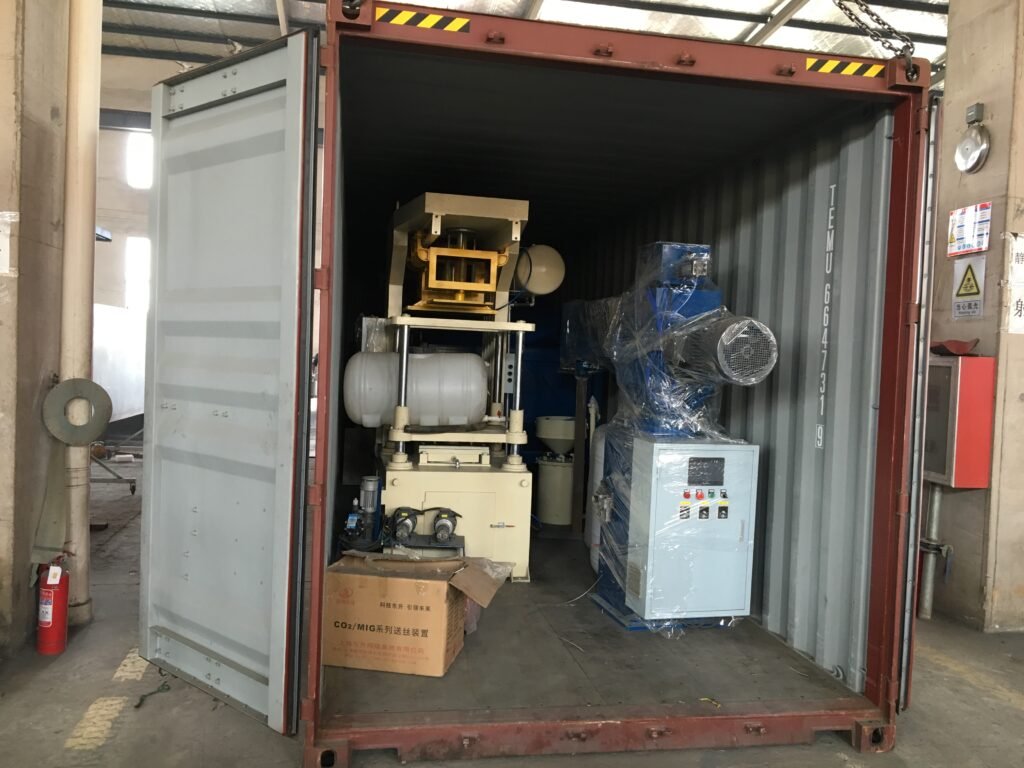
Want to see how we’ve transformed real production lines? Ask for our case studies or video walk-throughs.
Take the Next Smart Step
📞 Book a free consultation: Speak with a shot blasting specialist
📩 Download our Buyer’s Guide
🔍 Schedule a Foundry Line Assessment
We’re here to help you buy smarter—and work faster.
FAQ
What are the common mistakes in buying foundry equipment?
Focusing only on price, ignoring workflow compatibility, choosing non-customized systems, and underestimating service needs are the most frequent.
How do I choose the right shot blasting system?
Define your production speed, part types, space constraints, and goals. Then consult with a vendor who can provide a customized solution.
What should I ask my equipment supplier before purchase?
Installation timelines, service plans, energy usage, system compatibility, spare parts access, and TCO estimates should all be discussed upfront.