
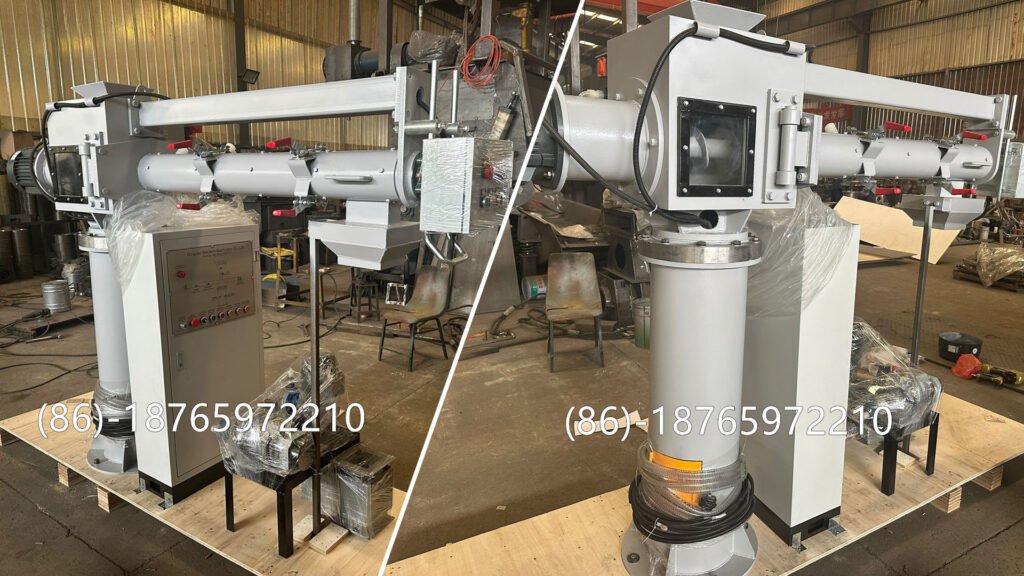
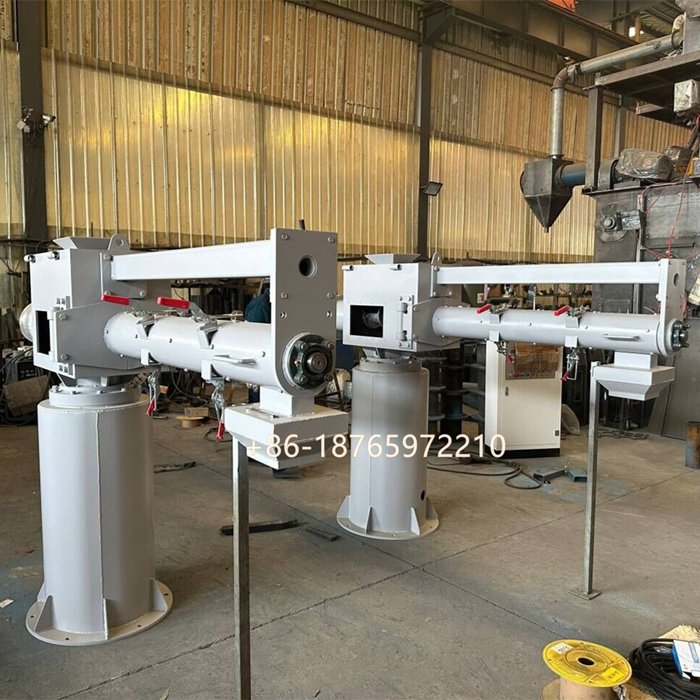
Resin sand mixing machine is designed to uniformly mix resin, hardener, and sand to produce high-quality molding sand used in metal casting. The resin acts as a binder that coats each sand grain, giving the mixture the right strength and flowability for mold making.
Proven, Cost-Effective Ways To Boost Performance And Extend Machine Life
In modern foundry production, efficiency and cost control are two key factors that determine competitiveness. As a workshop engineer, I’ve learned that improving the efficiency of resin sand mixing machine operations doesn’t always require large investments—often, small adjustments and disciplined maintenance can deliver significant results.
1. Optimize the Sand-to-Resin Ratio
One of the simplest yet most impactful ways to cut costs is by fine-tuning the resin and hardener ratios. Overuse of resin not only increases material expenses but can also lead to poor sand flowability and reduced casting quality. Regularly checking the mixture ratio through laboratory testing ensures stable quality and avoids waste.
2. Maintain Clean and Dry Raw Materials
Moisture and contamination in sand or resin are common causes of poor mixing and inconsistent coating. Keeping the sand storage area dry and using covered conveyors or hoppers reduces moisture absorption. Regularly cleaning resin tanks and pipelines also prevents clogging and ensures smooth flow during mixing.
3. Regular Maintenance of Mixing Blades and Liners
The mixing blades and chamber liners experience heavy wear due to the abrasive nature of sand. Worn blades lead to uneven mixing and longer cycle times. Conducting routine inspections and timely replacement of worn parts keeps mixing uniform and reduces machine vibration—ultimately lowering energy consumption.
4. Calibrate the Control System Periodically
Modern resin sand mixers often use PLC-based control systems to manage mixing time, rotation speed, and material dosing. Over time, sensor drift or software glitches can cause inefficiencies. A periodic calibration ensures that the dosing accuracy and timing remain optimal, minimizing both energy use and material loss.
5. Reuse and Reclaim Used Sand Effectively
Investing in a simple sand reclamation setup can significantly cut raw sand consumption. Reclaimed sand that is properly cleaned and cooled can be mixed back with fresh sand, reducing overall material costs without compromising quality.
6. Train Operators and Standardize Procedures
Operator skill plays a huge role in machine efficiency. A well-trained team that follows standardized mixing procedures can reduce mistakes, prevent resin wastage, and identify issues early. Regular skill training sessions and performance reviews promote consistency and productivity.
7. Monitor Power Consumption
Installing an energy meter for the mixer allows you to track power use per batch. Sudden spikes often indicate mechanical problems or improper loading. Tracking and analyzing this data helps pinpoint inefficiencies before they turn into costly repairs.
Conclusion
Improving efficiency in resin sand mixing machine operations doesn’t always require new technology. Through attention to detail—such as maintaining equipment, controlling raw material quality, optimizing ratios, and training operators—we can achieve significant cost savings while maintaining consistent sand quality. In foundry production, precision and care often yield the best returns.