
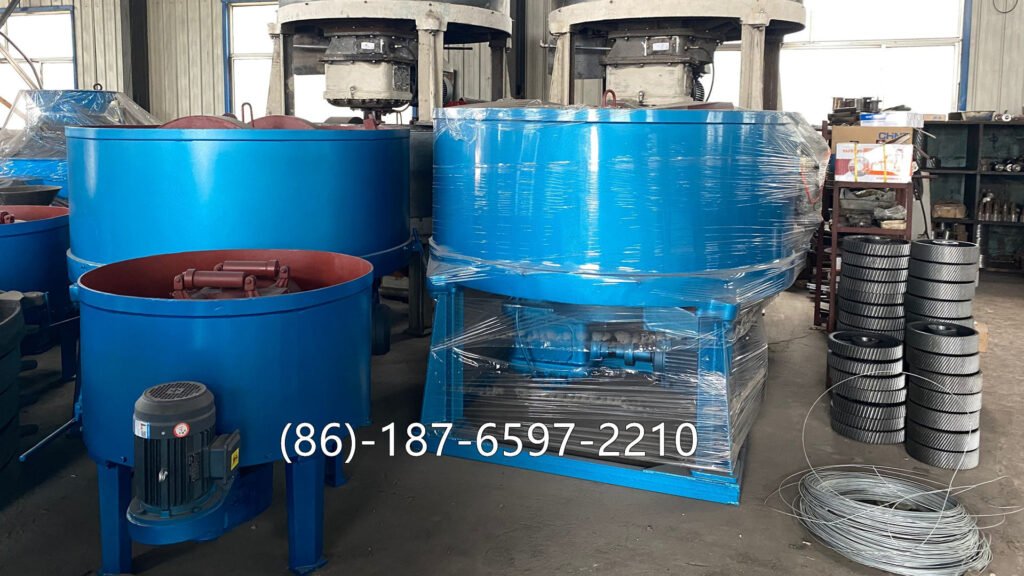
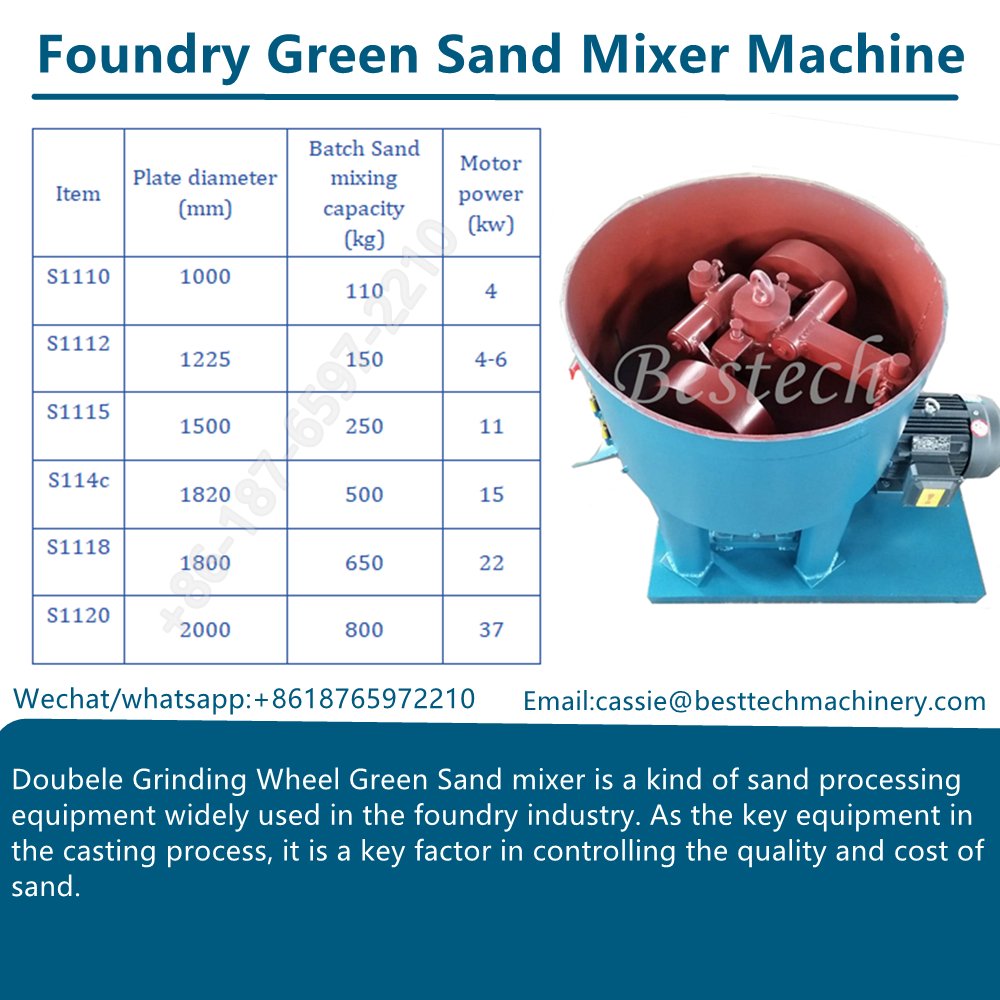
Green sand mixing machine is a foundry equipment used to prepare green sand, which is the most commonly used molding sand in metal casting. From an engineer’s perspective, its main function is to uniformly mix sand, bentonite clay, water, and additives to obtain molding sand with stable strength, permeability, and moisture.
Maintenance Focusing On Key Points That Are Often Ignored In Daily Use
In foundry production, the green sand mixing machine plays a very important role in ensuring stable sand quality and consistent molding performance. From an engineer’s point of view, the service life of a green sand mixer does not mainly depend on the machine price, but largely depends on daily operation habits and maintenance management. Proper maintenance can not only reduce unexpected shutdowns, but also significantly extend the working lifespan of the equipment.
1. Understand the Working Characteristics of Green Sand Mixing Machine
A green sand mixing machine usually works under high load, high abrasion, and continuous operation conditions. During mixing, sand, bentonite, coal powder, and water create strong friction on mixing blades, liners, and the mixing pan.
From an engineering perspective, most failures are not sudden accidents, but the result of long-term wear accumulation. Therefore, maintenance should focus on wear parts, lubrication points, and operating parameters.
2. Daily Inspection: Small Actions, Big Impact
Daily inspection is the most basic but also the most effective maintenance method.
Key inspection items include:
- Check abnormal noise from gearbox, bearings, and drive system
- Observe vibration level during operation
- Inspect bolts on mixing arms and blades for loosening
- Check oil level and oil condition in reducer
- Ensure water addition and sand feeding are uniform
Many engineers find that tightening loose bolts in time can prevent serious blade damage or shaft deformation later.
3. Reasonable Lubrication Management
Lubrication is often underestimated in foundry workshops. However, insufficient or incorrect lubrication is a major reason for early bearing and gearbox failure.
Maintenance recommendations:
- Use specified lubricant type recommended by the manufacturer
- Lubricate bearings and moving joints at fixed intervals
- Avoid over-lubrication, which may cause oil leakage and dust adhesion
- Replace gearbox oil periodically instead of only topping up
Good lubrication directly reduces friction, heat generation, and component fatigue.
4. Pay Attention to Wear Parts Replacement Cycle
Mixing blades, liners, scrapers, and sealing components are typical wear parts of a green sand mixer.
From engineering experience:
- Do not wait until wear parts are completely damaged
- Replace blades when thickness reaches the minimum safe limit
- Rotate or swap symmetrical parts to balance wear
- Keep spare wear parts in stock to avoid long downtime
Timely replacement helps protect the main shaft and mixing pan from secondary damage.
5. Control Operating Parameters Carefully
Improper operation is one of the fastest ways to shorten machine lifespan.
Important parameters to control:
- Avoid long-term overload operation
- Keep mixing time within recommended range
- Ensure correct sand moisture and material ratio
- Do not start the machine with excessive residual sand inside
Stable and standardized operation greatly reduces mechanical stress and uneven wear.
6. Periodic Preventive Maintenance Is Necessary
Besides daily inspection, scheduled preventive maintenance should be implemented.
Typical preventive maintenance includes:
- Monthly inspection of drive system alignment
- Quarterly check of electrical components and sensors
- Annual overhaul of reducer and main bearings
- Calibration of water and material feeding system
This kind of maintenance helps detect hidden problems before they develop into major failures.
7. Operator Training Matters
From an engineer’s point of view, a well-trained operator is part of the machine itself. Many problems come from incorrect operation rather than equipment defects.
Operators should understand:
- Basic machine structure and working principle
- Normal vs abnormal operating conditions
- Emergency shutdown procedures
- Importance of daily cleaning and inspection
Improved operator awareness directly translates into longer equipment life.
Conclusion
Enhancing the lifespan of a green sand mixing machine is not a complex task, but it requires discipline, consistency, and engineering thinking. Through proper daily inspection, reasonable lubrication, timely replacement of wear parts, controlled operation, and preventive maintenance, foundries can significantly reduce maintenance costs and improve production stability.
Good maintenance is the most cost-effective investment for any green sand mixing machine.