
Stop reacting to breakdowns. Start mastering your uptime.
Hanger shot blasting machine is designed to destroy surfaces—that includes its own internal components. Without a rigorous maintenance strategy, a small worn blade can turn into a catastrophic housing failure in hours.
Introduction
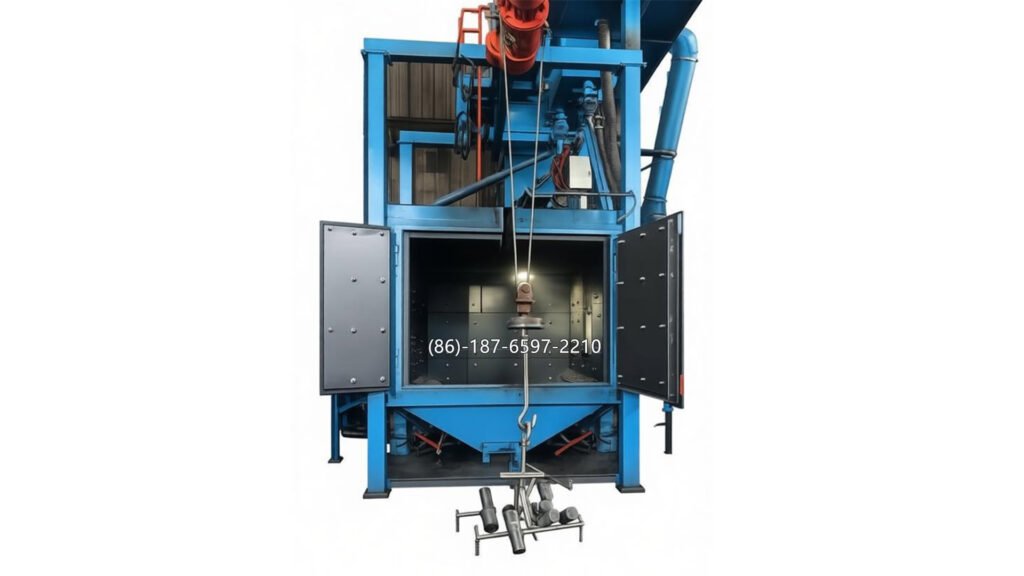
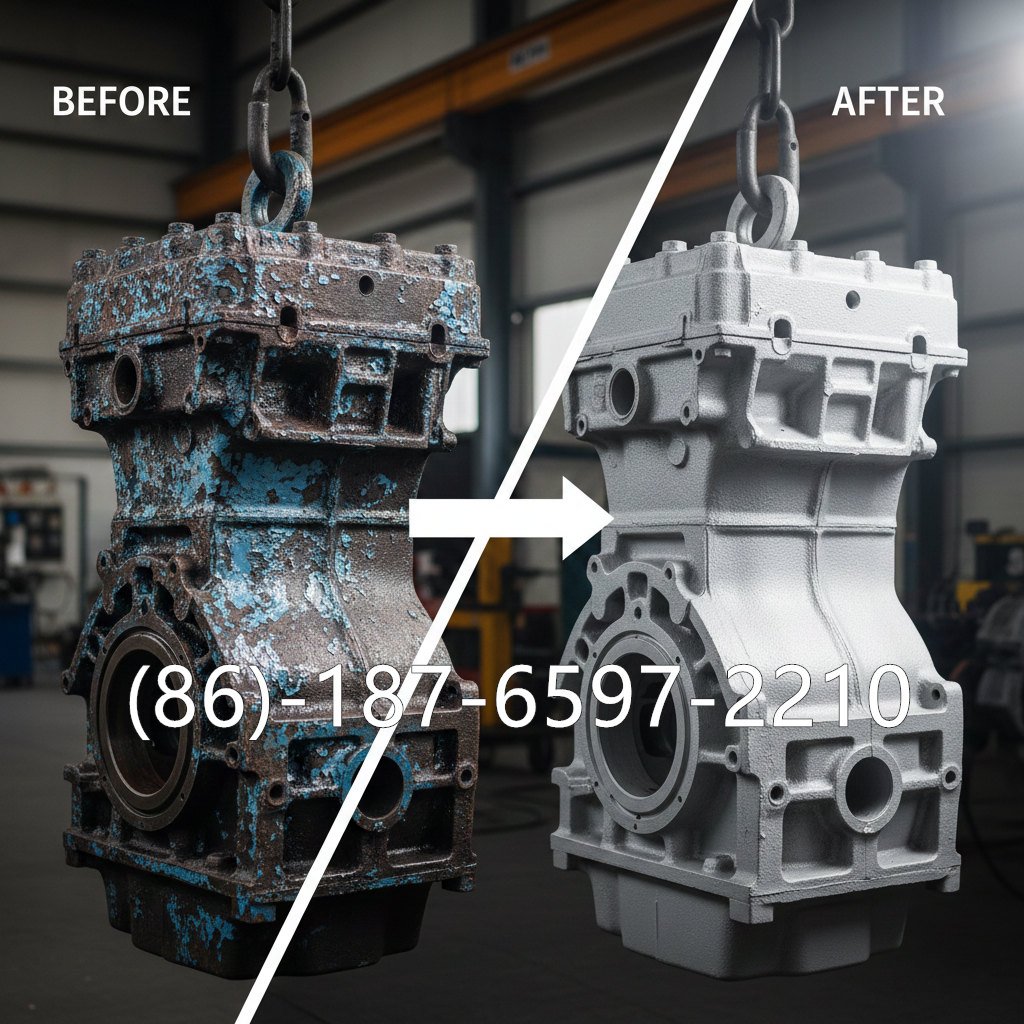
In modern metal surface treatment workshops, the Hanger Shot Blasting Machine plays a critical role in removing rust, scale, sand, and old coatings from castings, forgings, and welded structures.
Because the machine operates under high-speed abrasive impact conditions, it is naturally exposed to heavy wear. Without systematic maintenance, performance will decline rapidly, leading to:
- Increased spare part consumption
- Higher energy cost
- Reduced cleaning quality
- Unexpected production downtime
From an engineering perspective, preventive maintenance is the key factor in extending equipment service life and protecting long-term investment.
1. Working Environment and Wear Mechanism
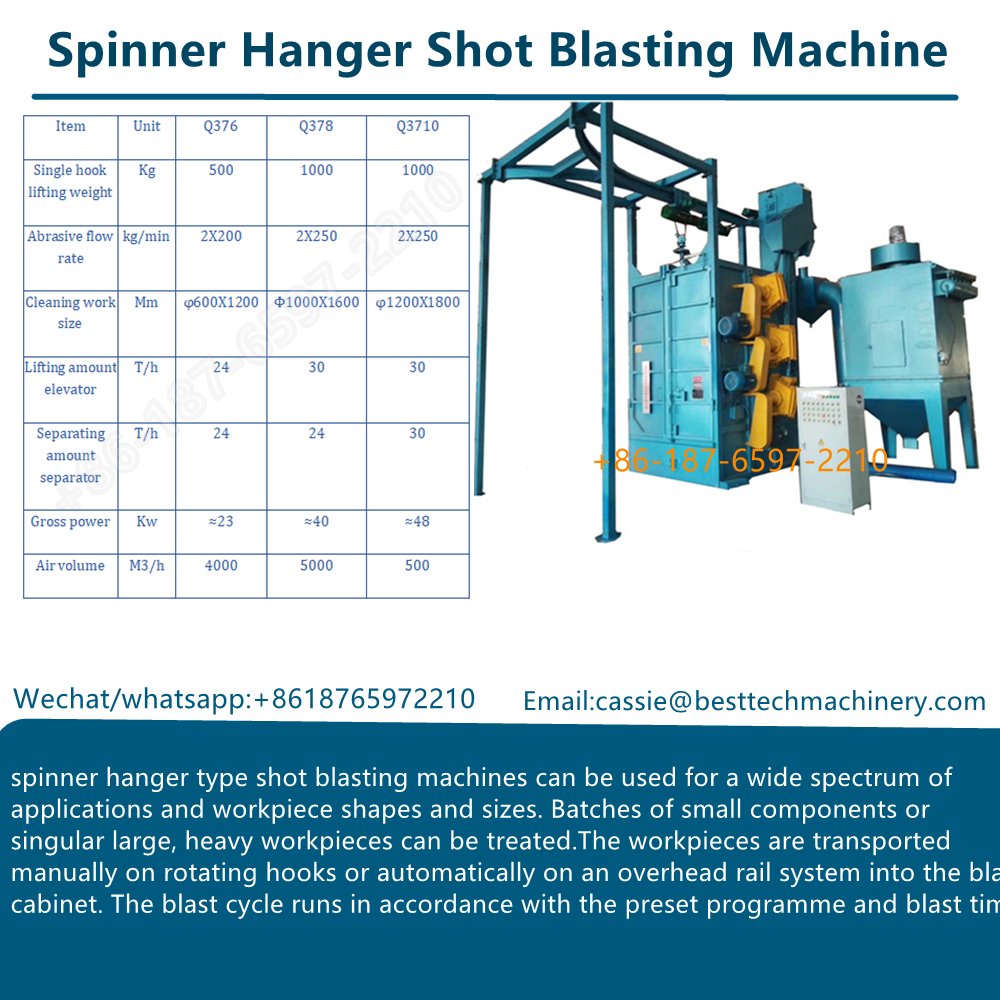
The hanger shot blasting machine uses high-speed centrifugal blasting wheels to throw steel shot onto the workpiece surface.
Typical Operating Parameters
| Parameter | Typical Range |
|---|---|
| Shot velocity | 60–80 m/s |
| Wheel power | 7.5–22 kW |
| Abrasive flow rate | 150–250 kg/min per wheel |
| Chamber working pressure | Negative pressure system |
| Dust collector pressure difference | 800–1200 Pa |
Under such working conditions:
- Blades suffer continuous high-speed friction
- Chamber liners are impacted repeatedly
- Separator handles abrasive classification
- Bearings operate under heavy load
Understanding these mechanical stresses helps establish effective maintenance strategy.
2. Key Components Affecting Equipment Lifespan
2.1 Blasting Wheel Assembly (Core Wear Unit)
The blasting wheel is the heart of the machine.
Main wear parts include:
- Blades
- Control cage
- Distributor
- Impeller
- Side liners
Maintenance Recommendations:
- Inspect blade thickness weekly
- Replace blades when wear exceeds 25–30%
- Ensure dynamic balance after replacement
- Check vibration regularly
Unbalanced wheels can damage bearings and shorten motor lifespan.
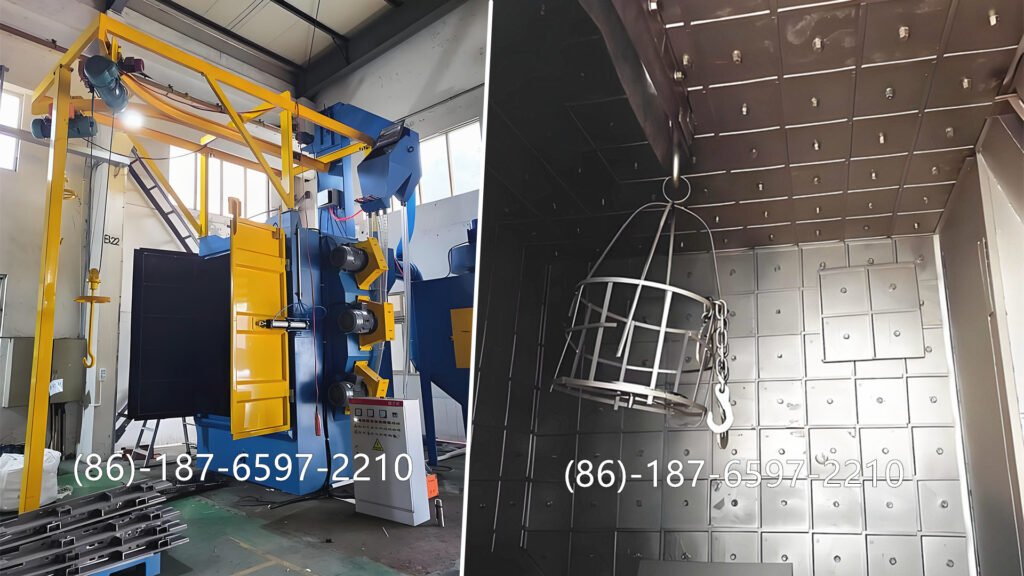
2.2 Chamber Protection Liners
The blasting chamber is protected by:
- Manganese steel liners
- High chromium cast iron liners
Inspection Points:
- Check liner thickness monthly
- Replace when thickness reduces by 30–40%
- Ensure bolt fastening integrity
Loose or worn liners may cause structural damage to chamber walls.
2.3 Abrasive Circulation System
The shot circulation system includes:
- Bucket elevator
- Screw conveyor
- Air separator
Maintenance Focus:
- Inspect elevator belt tension
- Lubricate bearings
- Clean separator regularly
- Remove broken shot and dust
Poor abrasive separation increases wear rate significantly.
2.4 Dust Collection System
Dust control is critical for:
- Operator safety
- Environmental compliance
- Equipment longevity
Maintenance actions:
- Clean filter cartridges monthly
- Inspect pulse valves
- Monitor pressure difference (800–1200 Pa)
Excessive dust causes internal abrasion and reduced blasting efficiency.
3. Lubrication Management Strategy
Lubrication is fundamental to reducing mechanical wear.
Lubrication Points:
- Blasting wheel bearings
- Elevator bearings
- Conveyor bearings
- Gear reducers
Recommended Schedule:
| Component | Frequency |
|---|---|
| Bearing grease | Every 250 working hours |
| Gearbox oil replacement | Every 3–6 months |
| Temperature monitoring | Weekly |
| Vibration inspection | Monthly |
Bearing temperature should normally remain below 75°C.
Insufficient lubrication directly leads to premature bearing failure.
4. Electrical and Control System Maintenance
Stable electrical operation ensures production continuity.
Inspection Checklist:
- Motor current stability
- Cable insulation condition
- PLC response accuracy
- Limit switch function
- Emergency stop reliability
Abnormal motor current often indicates mechanical blockage or abrasive overload.
5. Abrasive Quality Control
Abrasive quality has direct impact on machine wear and cleaning efficiency.
Engineering Recommendations:
- Use high-quality steel shot (HRC 40–50)
- Maintain correct shot size distribution
- Remove broken shot regularly
- Control fine dust ratio
According to ISO 11124, metallic blasting abrasives must meet chemical composition and hardness requirements.
Proper abrasive control can reduce liner wear by more than 20%.
6. Preventive Maintenance Schedule
| Maintenance Item | Frequency |
|---|---|
| Blade inspection | Weekly |
| Liner inspection | Monthly |
| Bearing lubrication | 250 hours |
| Gearbox oil change | 3–6 months |
| Dust filter cleaning | Monthly |
| Full system inspection | Quarterly |
| Comprehensive overhaul | Annually |
Preventive maintenance reduces unexpected failure by over 60%.
7. International Standards and Safety Compliance
To ensure safe and standardized operation, maintenance should follow:
- ISO 8501 – Surface preparation standards
- ISO 11124 – Metallic blasting abrasives
- OSHA – Industrial machinery safety regulations
Compliance enhances equipment reliability and export credibility.
8. Common Causes of Reduced Lifespan
Based on field engineering experience, lifespan is shortened due to:
- Delayed blade replacement
- Ignoring abnormal vibration
- Poor lubrication management
- Using low-quality abrasive
- Dust collector malfunction
Most failures are preventable with systematic inspection.
9. Engineering Recommendations for Long-Term Operation
To maximize equipment lifespan:
- Establish maintenance record system
- Keep critical spare parts in inventory
- Train operators in daily inspection
- Monitor vibration and noise trends
- Conduct annual full overhaul
With proper maintenance, a hanger shot blasting machine can operate efficiently for 10–15 years.
10. Frequently Asked Questions (FAQ)
Q1: How often should blasting blades be replaced?
Typically every 3–6 months depending on workload and abrasive quality.
Q2: What is the normal bearing temperature?
Normally below 75°C. Higher temperature requires inspection.
Q3: Does abrasive quality affect equipment lifespan?
Yes. Low-quality shot increases liner and blade wear significantly.
Conclusion
The Hanger Shot Blasting Machine operates in a high-impact environment, making preventive maintenance essential.
By implementing systematic lubrication management, abrasive control, liner inspection, and compliance with international standards, manufacturers can:
- Extend equipment service life
- Improve blasting efficiency
- Reduce operating cost
- Ensure production stability
For metalworking and manufacturing industries, professional maintenance management is the foundation of long-term performance and investment protection.