
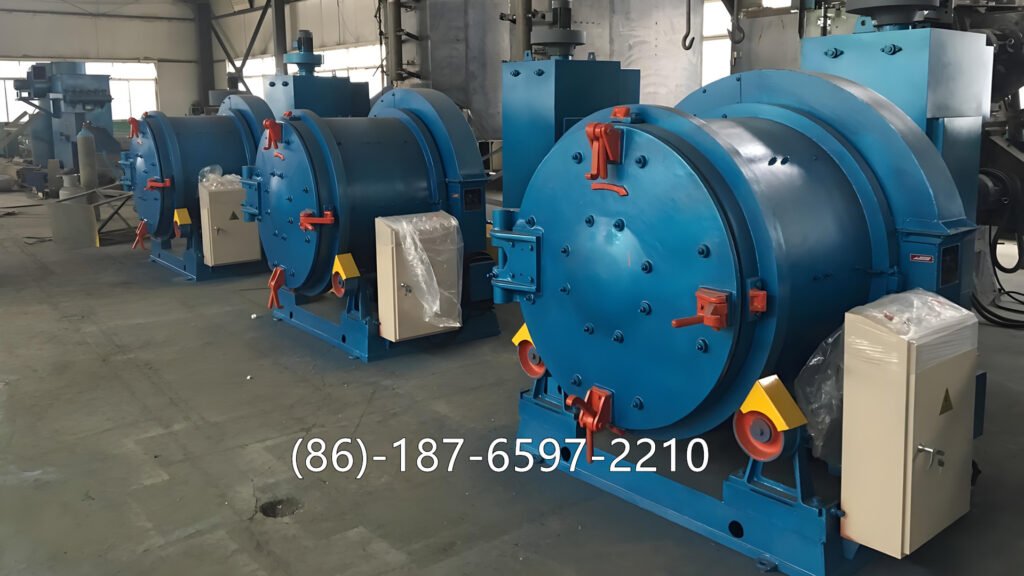
Rotary drum shot blasting machine is a type of surface treatment equipment used mainly in foundries and metal fabrication workshops to clean, descale, and strengthen small to medium-sized metal parts. From an engineer’s point of view, it is designed for batch processing of bulk components that can tumble safely without damage.
Environmental Sustainability
With the increasing global attention to environmental protection and sustainable manufacturing, rotary drum shot blasting machine manufacturers are under growing pressure to reduce environmental impact while maintaining stable and efficient performance. From my point of view, environmental sustainability is not only a policy requirement, but also a technical direction that directly influences equipment design, operation cost, and long-term competitiveness.
Energy-Saving Design and High-Efficiency Systems
One of the main sustainability initiatives is the optimization of energy consumption. Manufacturers are improving blast wheel efficiency by using advanced impeller designs, wear-resistant materials, and precise shot flow control. High-efficiency motors and frequency converters (VFDs) are widely applied to adjust power output according to actual working load, avoiding unnecessary energy waste. From practical operation experience, these measures can significantly reduce electricity consumption while keeping stable blasting quality
Closed-Loop Abrasive Recycling Technology
Rotary drum shot blasting machines are designed to work with a closed abrasive circulation system. Through effective separation units, including air wash separators and magnetic separators, reusable steel shots are recovered and impurities such as dust and broken abrasives are removed. This design reduces raw material consumption and minimizes waste discharge. Engineers generally agree that a stable and well-adjusted recycling system not only supports environmental goals but also improves process consistency.
Advanced Dust Collection and Emission Control
Dust emission control is a key environmental concern in shot blasting operations. Modern manufacturers integrate high-efficiency dust collectors, such as cartridge or bag filter systems, with optimized airflow design. These systems effectively capture fine dust particles generated during blasting and ensure that exhaust air meets environmental standards. From a workshop perspective, improved dust control also creates a cleaner and safer working environment for operators.
Noise Reduction and Operator-Friendly Design
Noise pollution is another environmental and occupational issue. Rotary drum shot blasting machine manufacturers focus on structural sealing, vibration isolation, and sound-insulating materials to reduce operational noise. Enclosed blasting chambers and optimized machine layout help lower noise levels, which is beneficial for both factory compliance and operator health.
Durable Structure and Long Service Life
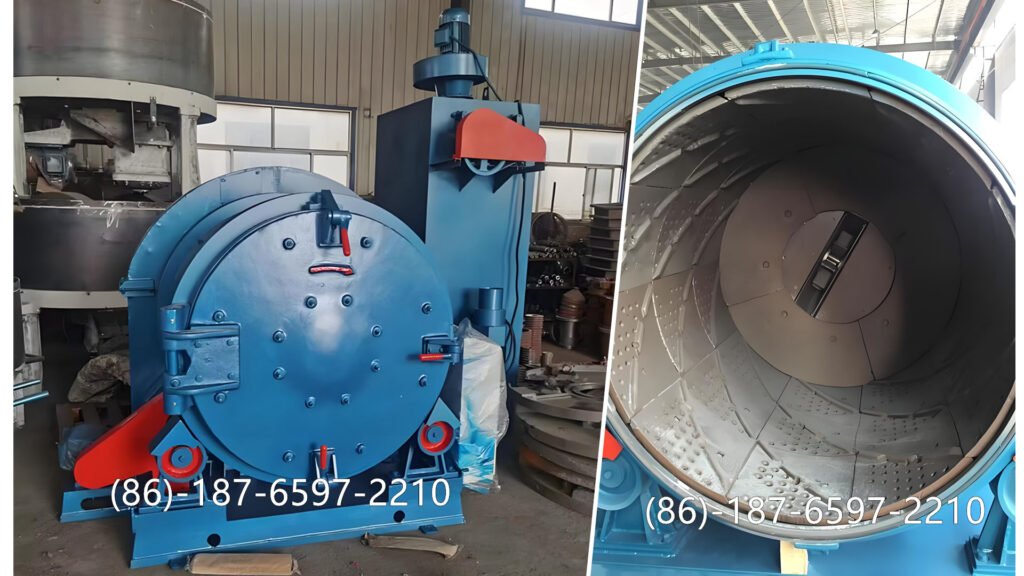
Sustainability is also reflected in equipment durability. By using high-strength steel plates, wear-resistant liners, and modular components, manufacturers extend the service life of rotary drum shot blasting machines. From an engineering standpoint, longer equipment life means fewer replacements, reduced material consumption, and lower overall environmental burden during the machine’s lifecycle.
Conclusion
Environmental sustainability initiatives among rotary drum shot blasting machine manufacturers are closely linked with engineering optimization and practical operation experience. Through energy-efficient design, abrasive recycling, dust and noise control, and durable construction, manufacturers are moving toward greener and more responsible production. For users, these improvements not only support environmental compliance but also bring long-term economic and operational benefits, making sustainable technology a practical choice rather than an added burden.