
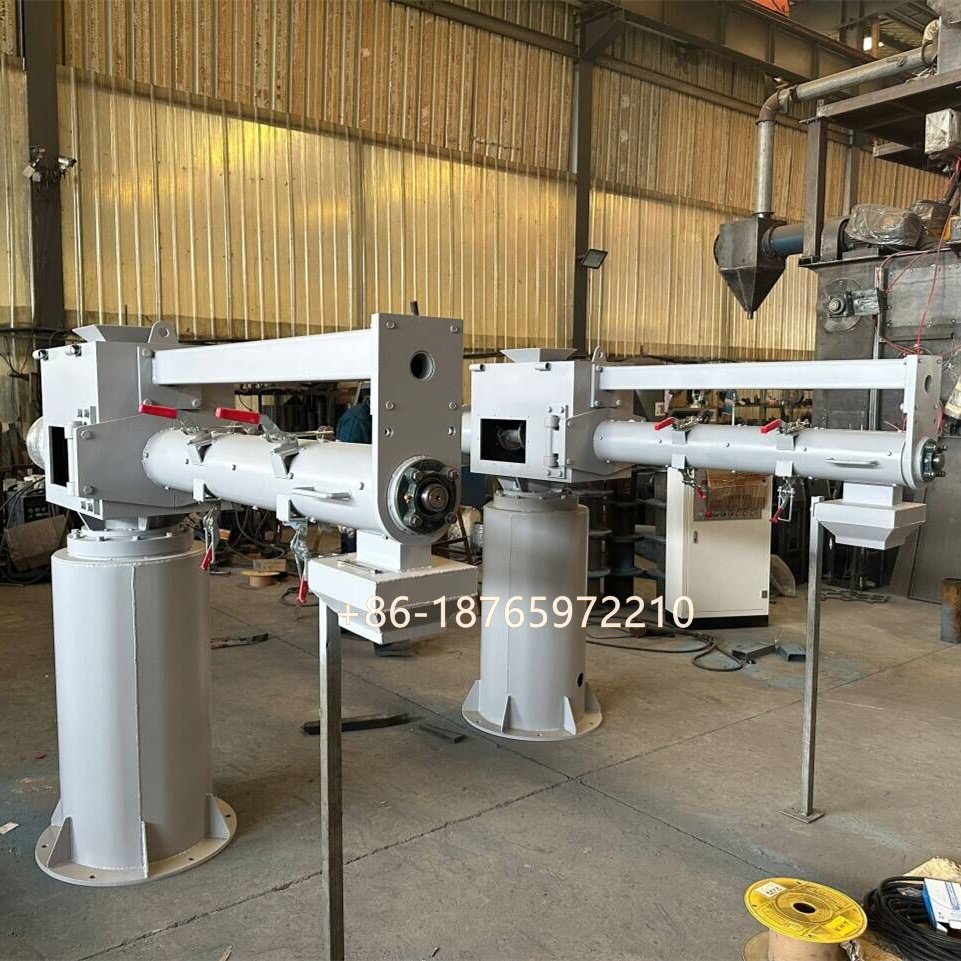
As an important equipment in modern foundry production, the resin sand mixing machine plays a key role in ensuring molding quality, production efficiency, and cost control.
Resin sand mixing machine is a piece of foundry equipment used to uniformly mix sand with resin binder and a curing (hardening) agent to produce ready-to-use resin sand for molding or core making.
In casting production, sand alone cannot form strong molds. The resin sand mixing machine accurately adds resin and hardener to the sand and mixes them evenly, so the sand gains high strength, good surface quality, and fast hardening ability.
What Is a Resin Sand Mixing Machine?
Resin sand mixing machine is a special device used to uniformly mix raw sand, resin binder, and curing agent according to a fixed proportion. The mixed sand can quickly form strong molds or cores with good surface quality and dimensional accuracy. It is widely used in resin sand molding lines for steel casting, iron casting, and non-ferrous metal casting.
Compared with traditional clay sand, resin sand has higher strength and better collapsibility, which puts higher requirements on mixing accuracy and equipment reliability.
Working Principle
The basic working process of a resin sand mixing machine is as follows:
- Sand feeding system delivers reclaimed sand or new sand into the mixing chamber
- Resin and hardener dosing system adds liquid binder in precise quantity
- High-efficiency mixer forces sand and binder to mix evenly within a short time
- Discharge system outputs ready-to-use mixed sand to molding or core making area
From an engineering perspective, mixing uniformity and time control are the core indicators of machine performance.
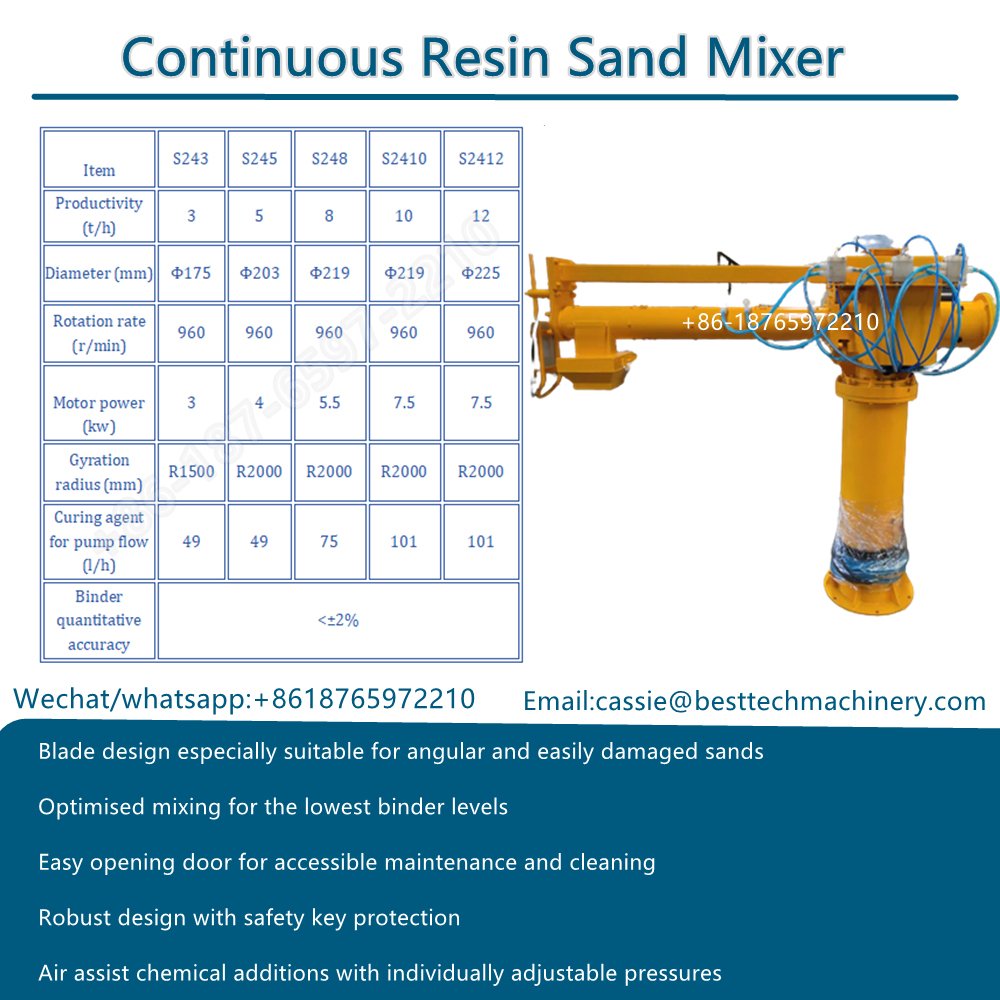
Main Structure and Components
A typical resin sand mixing machine mainly includes:
- Sand hopper and feeding mechanism
- Resin and curing agent supply system
- Mixing chamber with blades or rotor
- Discharge gate and sand outlet
- Electrical control system
Advanced machines may also be equipped with PLC control, automatic proportioning, and fault alarm functions to improve stability and reduce manual error.
Key Advantages
From practical production experience, resin sand mixing machines offer several clear advantages:
- High mixing efficiency, suitable for continuous production
- Accurate proportion control, ensuring stable sand strength
- Good adaptability, compatible with different resin systems
- Improved mold quality, reducing casting defects
- Lower labor intensity, supporting automated foundry lines
These advantages make the resin sand mixing machine an essential part of modern intelligent foundries.
Applications in Foundry Industry
Resin sand mixing machines are widely used in:
- Resin sand molding production lines
- Core making workshops
- Large and medium casting plants
- Foundries focusing on high-precision castings
They are especially suitable for producing complex-shaped and high-quality castings.
Maintenance and Operation Considerations
From an engineer’s viewpoint, proper operation and maintenance are critical:
- Clean mixing chamber regularly to avoid resin buildup
- Check dosing system accuracy frequently
- Lubricate moving parts according to schedule
- Inspect electrical components and sensors
Regular maintenance not only extends machine service life but also ensures consistent sand quality.
Conclusion
In summary, the resin sand mixing machine is a core equipment in resin sand foundry processes. Its performance directly affects molding quality, production efficiency, and overall casting cost. Choosing a reliable machine and operating it correctly is a practical guarantee for stable and efficient foundry production.
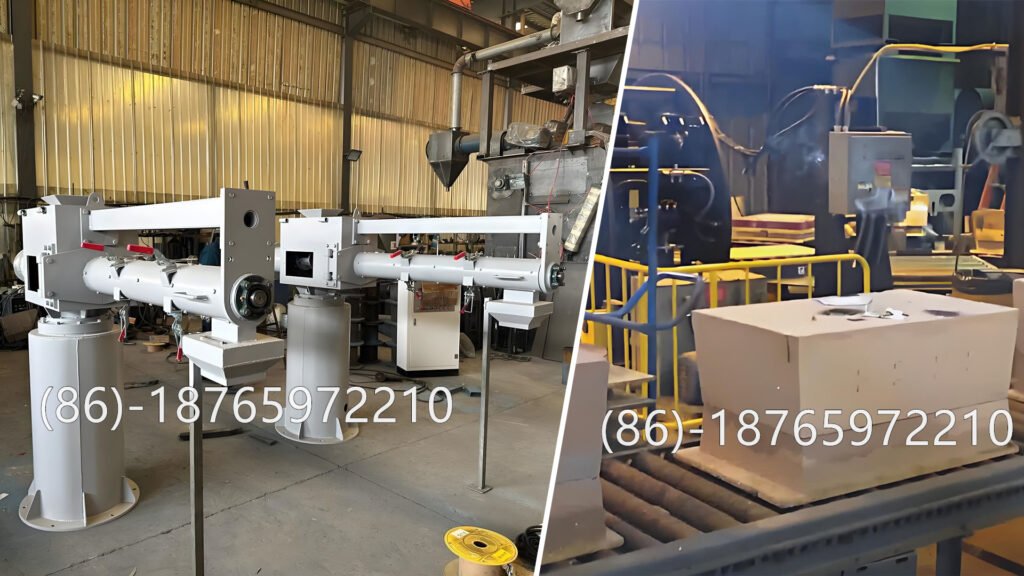
Resin Sand Mixing Machine – FAQ
1. What types of resin sand can be mixed?
The machine can mix various resin sand systems, including:
- Furan resin sand
- Phenolic resin sand
- Alkaline phenolic resin sand
- No-bake resin sand
Proper adjustment of mixing time and dosing ratio is required for different systems.
2. Why is mixing uniformity important?
Uniform mixing ensures:
- Consistent mold strength
- Stable curing time
- Reduced casting defects such as sand inclusion and surface roughness
Poor mixing can directly affect casting quality.
3. What is the typical capacity of a resin sand mixing machine?
Capacity varies by model, usually ranging from 1 to 20 tons per hour, depending on sand type, resin system, and production requirements.
4. Is the machine suitable for automatic production lines?
Yes. Most modern resin sand mixing machines support:
- PLC automatic control
- Automatic sand, resin, and hardener dosing
- Integration with resin sand reclamation systems
This makes them suitable for automated foundry lines.
5. How is resin and hardener dosing controlled?
Dosing is typically controlled by:
- Gear pumps or metering pumps
- Flow meters and sensors
- PLC-based proportion control
This ensures accurate and repeatable mixing ratios.
6. What maintenance is required?
Key maintenance points include:
- Regular cleaning of the mixing chamber
- Inspection of mixer blades and liners
- Calibration of dosing pumps
- Checking electrical and control components
Routine maintenance ensures stable operation and long service life.
7. What are common problems during operation?
Common issues include:
- Resin buildup in the mixer
- Incorrect dosing ratio
- Uneven sand discharge
- Abnormal noise from mixing components
Most problems can be avoided through correct operation and timely maintenance.
8. How to choose the right resin sand mixing machine?
Engineers usually consider:
- Required production capacity
- Resin system type
- Level of automation
- Compatibility with existing molding line
- Maintenance and service support