
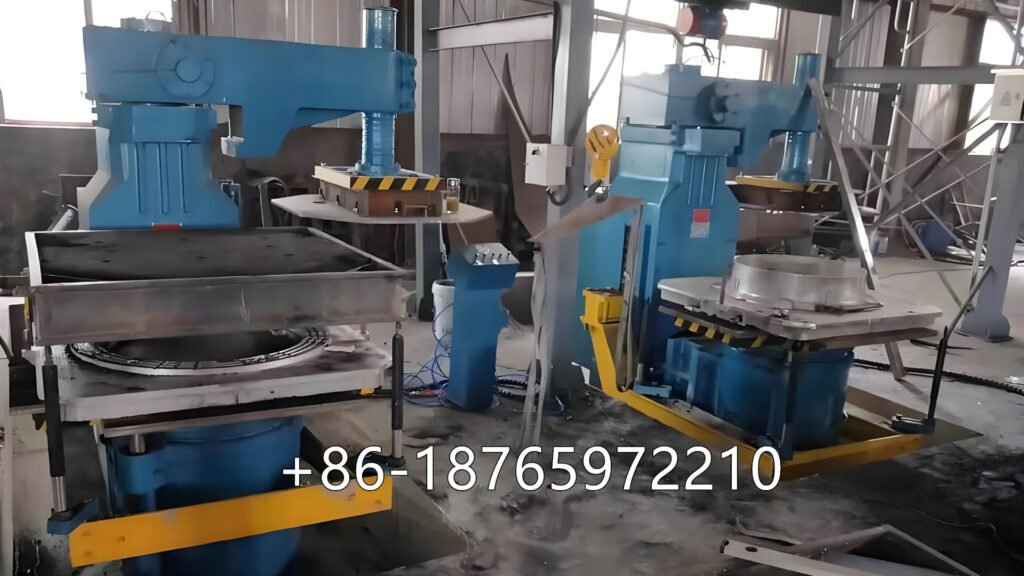
Struggling with how to choose the right jolt squeeze molding machine?
Selecting the appropriate jolt squeeze molding machine is critical for ensuring efficient production, quality output, and long-term operational success in casting processes.
A jolt‑squeeze sand‑molding machine is a type of equipment used in foundries to compact molding sand into a flask (the metal frame that holds the sand mold) by applying two sequential motions: a rapid “jolt” and then a firm “squeeze.” This ensures the sand pack is both well‑filled and tightly consolidated around the pattern, producing a dimensionally accurate, strong mold.
The Benefits of Choosing the Right Jolt Squeeze Molding Machine
Selecting an appropriate jolt squeeze molding machine is critical for optimizing production efficiency, quality, and cost-effectiveness in manufacturing processes.
1. Enhanced Production Efficiency
A well-suited machine reduces cycle times by leveraging precise jolt and squeeze mechanisms, which compress materials uniformly to achieve rapid solidification. This accelerates output while minimizing downtime.
2. Cost-Benefit Optimization
- Material Savings: Efficient compression reduces waste and raw material consumption.
- Energy Efficiency: Modern designs (e.g., shockless jolt-squeeze systems) lower energy costs compared to traditional methods.
- Long-Term ROI: High-quality machines require fewer repairs and offer longer service life, aligning with frameworks for evaluating microgrid-like cost-benefit tradeoffs.
3. Improved Product Quality
The machine’s ability to apply controlled pressure ensures uniform density and structural integrity in molded products. This is particularly vital for applications requiring precision, such as aerospace or automotive components.
4. Adaptability to Diverse Materials
Advanced models support a range of materials (e.g., polymers, metals) and can be customized for specific production needs. This versatility mirrors the “range of benefits” seen in flexible manufacturing systems.
5. Simplified Maintenance and Support
Opting for machines with modular designs or partnerships with local service providers (similar to banking’s community-focused approach.
Choosing the right jolt squeeze molding machine requires balancing technical specifications, production goals, and long-term operational needs. By prioritizing efficiency, adaptability, and sustainability, manufacturers can maximize productivity while minimizing costs—a principle akin to “choosing the right career” by aligning skills with market demands.
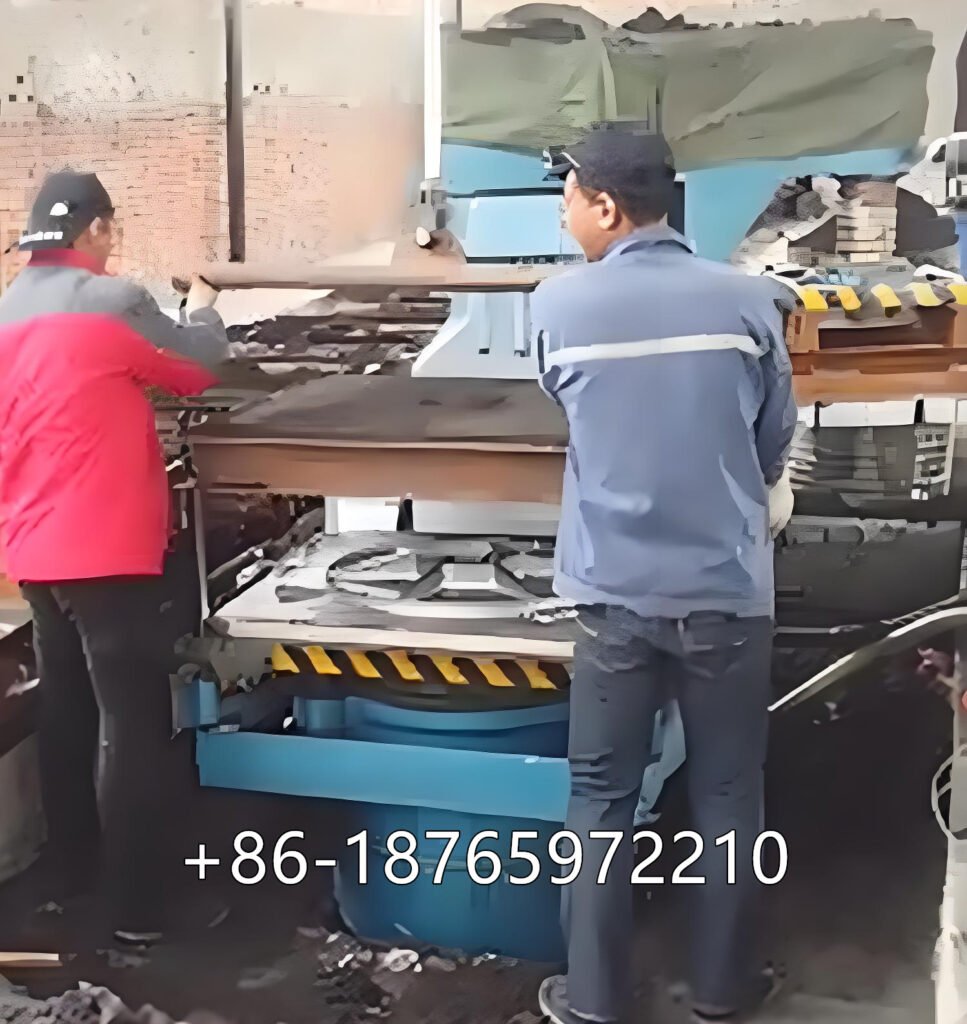
Factors to Consider When Choosing the Right Jolt Squeeze Molding Machine
Selecting the appropriate jolt squeeze molding machine is critical for ensuring efficient production, quality output, and long-term operational success in casting processes.
1. Technical Specifications and Capacity
- Production Volume: Match the machine’s capacity (e.g., clamping force, mold size) with your production needs. For example, the Z149W Jolt Squeeze Molding Machine suitable for large castings like manhole covers .
- Precision Requirements: Ensure the machine’s accuracy aligns with product specifications. High-precision models are essential for complex geometries, while standard machines suffice for simpler parts.
- Automation Level: Opt for automated systems to reduce labor costs and improve consistency, especially for high-volume production.
2. Material Compatibility
- Material Type: Verify if the machine supports your casting material (e.g., aluminum, steel, or non-ferrous alloys). For instance, thermal fatigue-resistant steel like HD (4Cr3Mo2VNiNb) is ideal for high-temperature applications .
- Mold Design: Consider mold flexibility. Modular or interchangeable mold systems (e.g., split dies or tongue-type molds) enhance versatility for varying product designs .
- Cooling and Heating Systems: Ensure the machine’s thermal management aligns with your material’s processing requirements (e.g., preheating, rapid cooling).
3. Production Efficiency
- Cycle Time: Evaluate the machine’s speed. Faster jolt mechanisms and efficient die changes reduce downtime.
- Energy Consumption: Compare energy efficiency ratings to minimize operational costs. Modern machines often integrate energy-saving features.
- Integration with Workflow: Assess compatibility with existing production lines, including upstream/downstream equipment like trimming or finishing tools.
4. Durability and Maintenance
- Mold Material: Prioritize molds made from wear-resistant steels (e.g., Cr12MoV or 42CrMo) to extend lifespan and reduce replacement costs .
- Ease of Maintenance: Opt for machines with accessible components and user-friendly maintenance protocols. Regular inspections of critical parts (e.g., hydraulic systems) are vital .
- Warranty and Support: Choose suppliers offering comprehensive warranties, spare parts availability, and technical support.
5. Safety and Compliance
- Safety Features: Ensure the machine includes safeguards like emergency stop buttons, safety guards, and compliance with ISO/OSHA standards.
- Environmental Regulations: Confirm the machine meets emission and noise standards, especially for sand-based casting processes .
6. Cost-Benefit Analysis
- Initial Investment: Balance upfront costs with long-term ROI. High-end machines may offer better precision and durability but require higher capital expenditure.
- Operational Costs: Factor in energy, labor, and maintenance expenses over the machine’s lifecycle.
- Scalability: Select a machine that can adapt to future production expansions or product diversification.
The optimal jolt squeeze molding machine depends on a balance between technical requirements, material compatibility, operational efficiency, and cost-effectiveness. By evaluating these factors, manufacturers can select a machine that enhances productivity, reduces downtime, and ensures consistent quality.
Revolutionizing Foundry Practices: The Jolt-Squeeze Sand-Molding Machine
The evolution of casting technology has long been driven by the pursuit of precision, efficiency, and cost-effectiveness. Among recent innovations, the jolt-squeeze sand-molding machine stands out as a transformative tool that merges advanced engineering principles with automation to redefine traditional sand molding.
Core Principles of Jolt-Squeeze Technology
The machine operates through two synergistic phases:
- Jolt Phase: Rapid vibration (“jolt”) rapidly fills the mold cavity with sand, ensuring uniform distribution and minimizing air pockets. This phase accelerates material flow while maintaining structural integrity.
- Squeeze Phase: Controlled hydraulic compression (“squeeze”) applies calibrated pressure to densify the sand, enhancing surface detail retention and mechanical strength. The dual-action process balances speed with precision, addressing limitations of single-stage methods.
By automating these stages, the machine eliminates human error and variability, enabling repeatable results across large-scale production.
Technical Advantages Over Conventional Methods
The jolt-squeeze approach offers distinct benefits:
- Dimensional Accuracy: The squeeze phase compresses sand to tolerances as tight as ±0.1 mm, critical for complex geometries in aerospace or automotive components.
- Surface Detail Fidelity: High-pressure compaction preserves intricate patterns, reducing the need for post-casting finishing.
- Uniform Strength Distribution: Even pressure application prevents weak spots, ensuring consistent casting quality.
- Material Efficiency: Reduced sand waste and optimized compaction lower raw material costs.
Compared to manual molding, which relies on operator skill, or single-action machines (e.g., pure vibration or compression), this hybrid method achieves a superior balance of speed and accuracy.
Production Efficiency and Economic Impact
Foundries adopting jolt-squeeze technology report significant gains:
- Higher Throughput: Automated cycles reduce mold-making time by up to 40%, aligning with just-in-time manufacturing demands.
- Lower Scrap Rates: Precision molding cuts defects by 25–35%, directly boosting profitability.
- Scalability: Modular designs adapt to both small-batch prototyping and high-volume production, catering to diverse industry needs.
For example, a German automotive supplier reduced casting defects from 12% to 4% after integrating jolt-squeeze machines, saving €500,000 annually in rework costs.
Industry Applications and Challenges
The technology is particularly valuable in sectors demanding high precision:
- Aerospace: Lightweight turbine blades and engine blocks require defect-free molds.
- Automotive: Complex cylinder heads and transmission housings benefit from consistent wall thickness.
- Heavy Machinery: Large-scale castings for construction equipment achieve uniform strength under dynamic loads.
However, challenges persist:
- High Initial Investment: Capital costs for advanced machines may deter small foundries.
- Skill Gaps: Operators require training to calibrate parameters like vibration frequency and compression force.
Future Directions and Innovations
Emerging trends aim to further optimize jolt-squeeze systems:
- AI-Driven Optimization: Machine learning algorithms could adjust parameters in real time based on material properties or mold complexity.
- Sustainable Integration: Use of recycled sand and energy-efficient actuators aligns with green manufacturing goals.
- Hybrid Systems: Combining jolt-squeeze with 3D-printed cores for ultra-complex geometries.
Conclusion
The jolt-squeeze sand-molding machine exemplifies how automation and precision engineering can elevate traditional manufacturing. By addressing longstanding challenges in quality, efficiency, and scalability, it positions foundries to meet the demands of advanced industries. As technological integration deepens, this innovation will likely remain a cornerstone of casting excellence, driving innovation across global supply chains.