
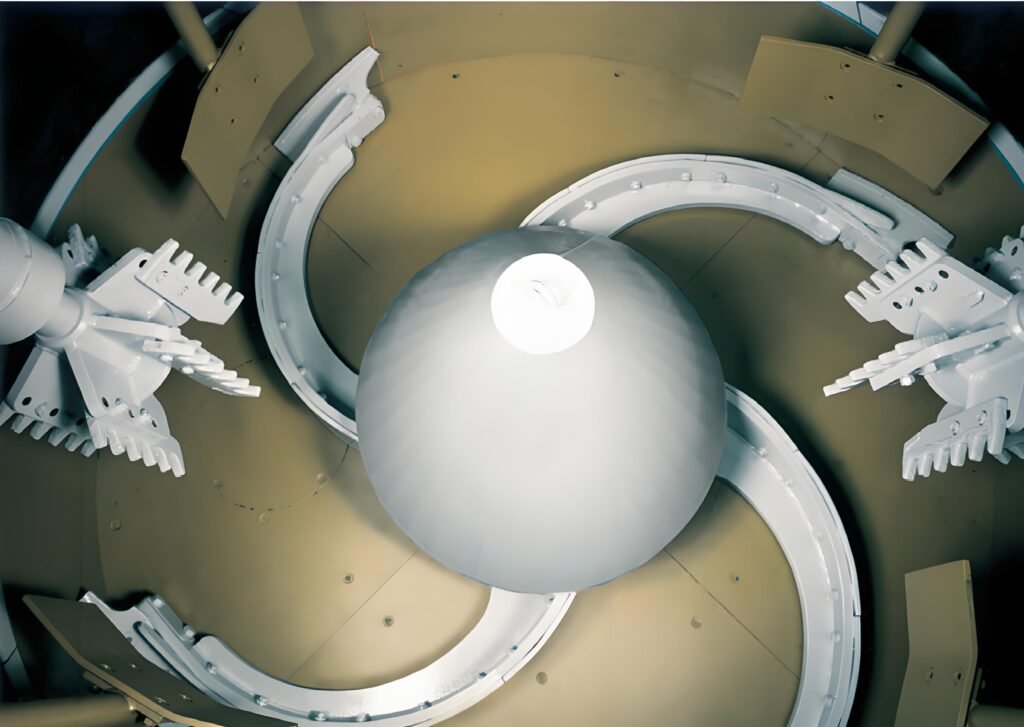
Still struggling with how to make high-quality molding sand?
In modern foundry operations, the preparation of high-quality molding sand is crucial for producing defect-free castings.
High Efficiency Rotor Sand Mixer has become an indispensable piece of equipment that revolutionizes green sand preparation through its advanced mixing technology.
Green Sand Formula: How to Make Quality Molding Sand
Green sand is the most commonly used molding material in foundries worldwide, consisting of three basic components: silica sand, clay (typically bentonite), and water. The term “green” refers to the sand being in its moist, uncured state rather than its color.
Standard Green Sand Composition Ratios
The basic formula for green sand consists of:
- 85-90% Silica Sand (base material)
- 8-12% Bentonite Clay (binder)
- 2-4% Water (activator)
- 0.5-2% Additives (optional, such as coal dust or cereal)
Step-by-Step Mixing Process
1. Material Selection
- Sand: Use high-quality silica sand (AFS 50-70 grain fineness)
- Clay: Sodium bentonite (Western) or calcium bentonite (Southern)
- Water: Clean, pH-neutral water
2. Mixing Procedure
- Start with dry sand in a muller or mixer
- Add bentonite clay gradually while mixing
- Slowly introduce water until desired consistency
- Mix for 8-12 minutes for optimal bonding
- Test the mixture (see Quality Control section)
Quality Control Tests
1. Moisture Content Test
Ideal range: 2-4%
Test method: Loss on drying (110°C for 1 hour)
2. Compactability Test
Target: 35-45%
Measured with a compactability tester
3. Permeability Test
Standard range: 80-120
Important for gas escape during pouring
Advanced Formulas
1.High Strength Formula
- 88% sand
- 10% bentonite
- 2% water
- 1% dextrin
2. Iron Casting Formula
- 86% sand
- 9% bentonite
- 3% water
- 2% sea coal
Troubleshooting Common Issues
- Weak molds: Increase clay content (up to 12%)
- Sticky sand: Reduce water content
- Poor surface finish: Add 0.5-1% cereal binder
- Gas defects: Increase permeability with coarser sand
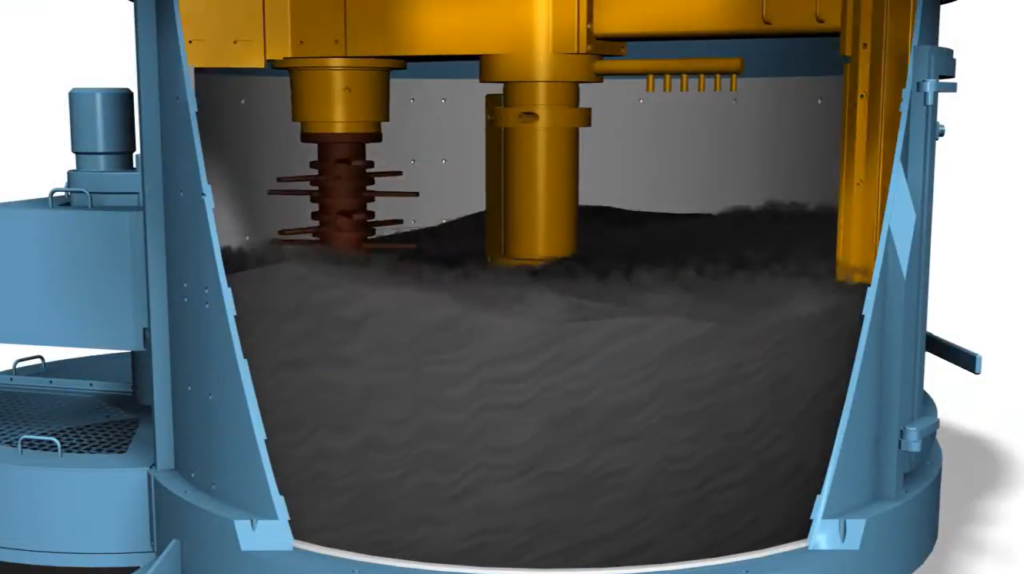
How to Produce High-Quality Molding Sand Using High-Efficiency Rotor Sand Mixers
High-efficiency rotor sand mixers are critical for achieving consistent, high-quality molding sand in foundries. Below is a systematic approach to optimize sand preparation based on industry best practices and technical specifications:
Material Selection & Pre-Treatment
Use uniformly graded silica sand (50–100 mesh preferred) to minimize void spaces and ensure optimal compaction.
Pre-screen additives like bentonite clay (4–8%) and coal dust (2–5%) to remove impurities before mixing.
For resin-bonded sands, ensure binder ratios comply with system specifications (typically 1–3% resin content).
Rotor Mixer Configuration
Select high-speed rotor designs with adjustable blades (e.g., 800–1,200 RPM) to balance shear force and material aeration.
Configure dual-stage mixing cycles:
Stage 1 (Dry Mixing): Blend dry components for 60–90 seconds to achieve homogeneity.
Stage 2 (Liquid Addition): Gradually inject water or binders while maintaining 95%+ blade coverage.
Process Control
Maintain moisture content within 2.5–4.5% for clay-bonded sands, monitored via real-time sensors.
Optimize mixing duration (typically 3–5 minutes) to prevent over-mixing, which degrades grain integrity.
Implement automated temperature control (20–35°C) to stabilize binder reactions.
Quality Assurance
Conduct compression strength tests (≥180 kPa for green sand) and permeability checks using standardized samples.
Use inline sand testing systems to monitor:
Compactability (35–45%)
Shatter index (≥70%).
By integrating precise material handling, optimized rotor configurations, and rigorous quality controls, high-efficiency rotor sand mixers ensure consistent production of premium molding sand for complex casting applications.
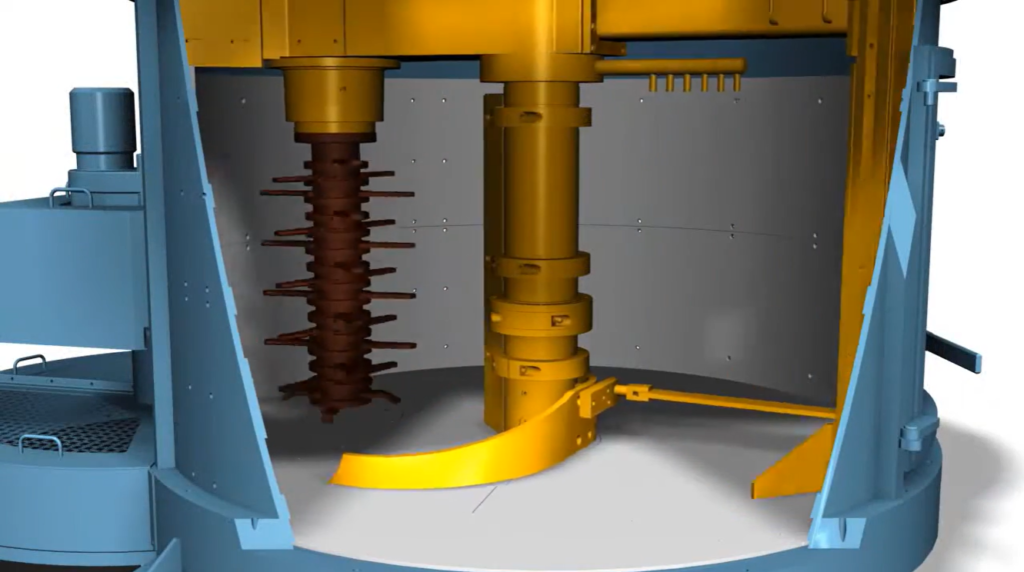
Green Sand Equipment – High Efficiency Rotor Sand Mixer Introduction
High Efficiency Rotor Sand Mixer is a specialized piece of green sand equipment used primarily in foundries to prepare molding sand for metal casting. Green sand is a mixture typically composed of silica sand, clay (usually bentonite), water, and sometimes additives like coal dust. The key function of a sand mixer is to uniformly blend these components, ensuring consistent mold quality and performance.
Key Features of a High Efficiency Rotor Sand Mixer:
Rotor Mixing Technology:
- Uses high-speed rotors (typically dual or counter-rotating).
- Ensures thorough blending and excellent homogenization of sand and binders.
- Prevents clay lumps and improves sand quality.
High Efficiency and Productivity:
- Short mixing cycles with high output.
- Energy-efficient motors reduce operational costs.
- Capable of handling large volumes of sand continuously or in batches.
Accurate Moisture and Additive Control:
- Equipped with sensors to monitor moisture content in real-time.
- Automated control systems for precise binder and water dosing.
Compact and Robust Design:
- Space-saving footprint with durable components for long service life.
- Easy maintenance and cleaning access.
Integrated Dust Control:
- Built-in dust extraction systems or compatibility with external dust collectors.
- Maintains a clean and safe working environment.
Applications:
- Foundries producing iron, steel, and non-ferrous castings.
- Ideal for high-quality, consistent green sand preparation for molds and cores.
Advantages Over Conventional Mixers:
| Feature | High Efficiency Rotor Mixer | Conventional Muller Mixer |
|---|---|---|
| Mixing Time | Short | Longer |
| Mixing Uniformity | Very High | Moderate |
| Energy Consumption | Lower per ton | Higher |
| Maintenance Requirements | Lower | Higher |
| Automation & Control Options | Advanced | Basic |
Conclusion
High-efficiency rotor sand mixers represent the gold standard for modern foundries seeking to improve casting quality while reducing material and energy costs. Their precise mixing action and process control capabilities make them indispensable for producing consistent, high-performance molding sands.