
Stop overpaying for your cores. Which process wins on ROI?
In a competitive casting market, your Cost-per-Core can make or break your margins. Are you using the most economical process for your specific application?
We’ve crunched the numbers on Hot Box vs. Cold Box core production to help you optimize your OPEX.
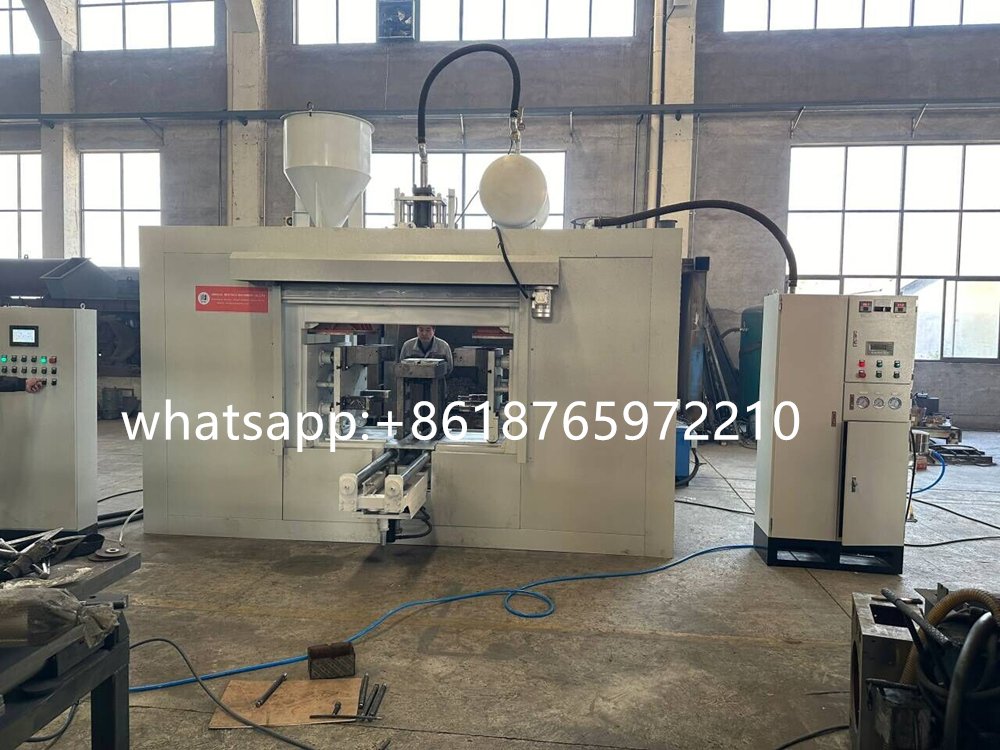
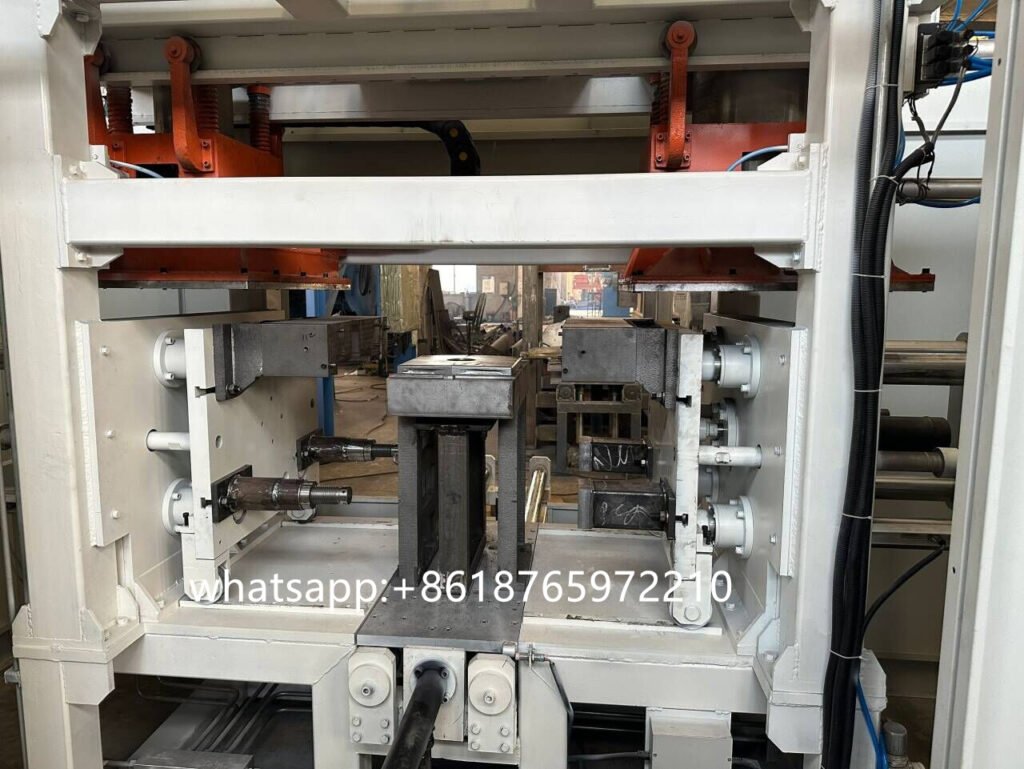
Core shooting machine is a foundry device that automatically makes hardened sand cores by shooting resin sand into a mold and curing it for use in metal casting.
Introduction
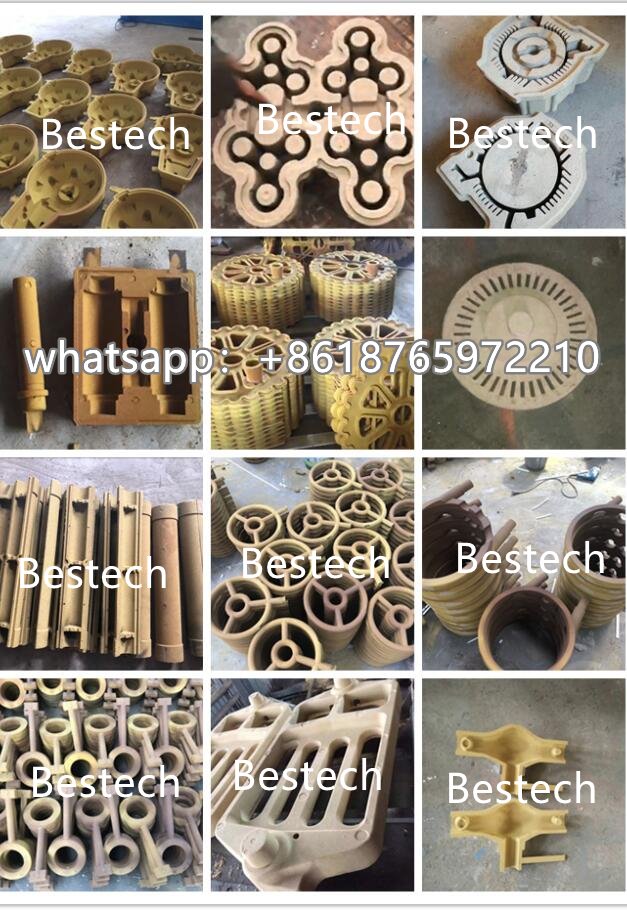
In foundry production, sand cores are used to form internal cavities and complex structures inside castings. Core quality directly influences casting accuracy, surface finish, and defect rate. Therefore, choosing the correct core shooting machine technology is an important engineering decision.
Among modern core-making methods, Hot Box Core Shooting Machines and Cold Box Core Shooting Machines are the two most widely used processes. Each technology has its own curing method, equipment structure, operating cost, and suitable application range.
This article provides a detailed engineering comparison to help foundries select the right core shooting machine for their production needs.
1. Curing Principle Difference
Hot Box Process
Hot box technology uses heated metal core boxes to cure resin-coated sand.
Process flow:
- Sand mixed with thermosetting resin
- Compressed air shoots sand into heated core box
- Heat (200–280°C) cures resin
- Core hardens within seconds
Cold Box Process
Cold box technology uses amine gas chemical curing at room temperature.
Process flow:
- Sand mixed with cold box resin
- Compressed air shoots sand into core box
- Amine gas injected to trigger chemical hardening
- Core hardens without heating
Engineering summary:
| Item | Hot Box | Cold Box |
|---|---|---|
| Curing method | Heat curing | Gas chemical curing |
| Heating required | Yes | No |
| Typical curing time | 10–30 s | 10–20 s |
2. Core Strength and Quality
Both processes provide strong cores, but cold box generally produces slightly higher strength due to chemical bonding.
Typical Core Performance
| Parameter | Hot Box | Cold Box |
|---|---|---|
| Core bending strength | ≥ 2.0 MPa | ≥ 2.5 MPa |
| Dimensional tolerance | ±0.15 mm | ±0.10 mm |
| Surface finish | Smooth | Very smooth |
| Handling breakage risk | Low | Very low |
Engineering note:
Cold box is preferred for large, thin-wall, and complex cores requiring higher strength.
3. Production Efficiency
Typical Production Data
| Item | Hot Box | Cold Box |
|---|---|---|
| Curing cycle | 10–30 s | 10–20 s |
| Output capacity | 60–180 cores/hour | 80–200 cores/hour |
| Tool change time | Longer (need cooling) | Short (no heating) |
Engineering conclusion:
Cold box offers slightly higher productivity and faster product changeover.
4. Energy Consumption
Hot Box
- Requires electric heating system
- Core box heating power: 5–30 kW
- Higher installed machine power
Cold Box
- No heating system
- Only compressed air and gas system
- Lower total electricity demand
Engineering conclusion:
Cold box process consumes less electrical energy but needs gas generation and treatment system.
5. Tooling Cost and Service Life
| Item | Hot Box | Cold Box |
|---|---|---|
| Core box structure | Heated metal box | Normal metal box |
| Tooling cost | Higher | Lower |
| Thermal stress on box | Yes | No |
| Tooling service life | Long | Long |
Engineering note:
Hot box tooling costs more initially, but produces excellent surface finish.
6. Environmental and Safety Requirements
Hot Box
- No amine gas emission
- Lower odor
- Easier environmental compliance
Cold Box
- Uses amine gas
- Requires gas exhaust and neutralization system
- Needs proper ventilation
Engineering conclusion:
Hot box is simpler for environmental compliance; cold box needs gas treatment equipment.
7. Automation Compatibility
Both systems support high automation:
- Automatic sand feeding
- Automatic shooting
- Core ejection
- Robot handling
- PLC + HMI control
No major difference in automation capability.
8. Typical Application Fields
| Application | Hot Box | Cold Box |
|---|---|---|
| Automotive engine block cores | Good | Excellent |
| Cylinder head water jacket cores | Good | Excellent |
| Small precision cores | Excellent | Excellent |
| Large complex cores | Good | Excellent |
| Jobbing foundry multi-product | Medium | Excellent |
9. Investment and Operating Cost Comparison
| Cost Factor | Hot Box | Cold Box |
|---|---|---|
| Equipment investment | Medium | Medium |
| Core box tooling | Higher | Lower |
| Energy cost | Higher | Lower |
| Gas treatment cost | None | Required |
| Maintenance cost | Low | Medium |
| Scrap rate | Low | Very low |
10. Standards Compliance
Both machine types are normally designed according to:
- ISO 9001 – Quality Management
- ISO 4414 – Pneumatic Safety Standard
- EN 1247 – Foundry Machinery Safety
- CE Machinery Directive 2006/42/EC
Standards-based design ensures safe operation and export compliance.
Conclusion
From an engineering point of view, both Hot Box and Cold Box Core Shooting Machines are mature and reliable technologies for modern foundries.
- Hot Box is suitable for high-volume production requiring good surface finish and simple environmental control.
- Cold Box is ideal for complex, large, and high-strength cores requiring maximum productivity and flexibility.
The correct choice depends on product type, production volume, environmental conditions, and total operating cost.
A proper selection of core shooting technology ensures stable core quality, high casting precision, and long-term production efficiency.