
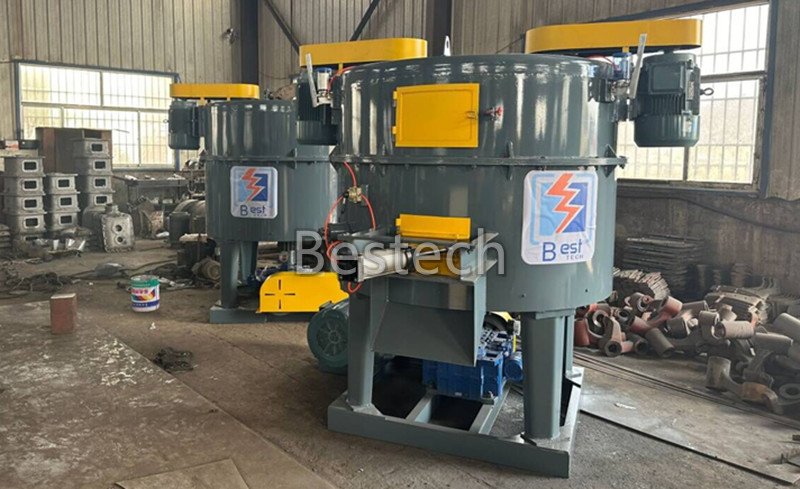
Rotor sand mixer is a type of machine used in the foundry industry to mix sand, binders, and other additives into a homogeneous mixture for making molds and cores. Its operation relies on the combined effects of mechanical and pneumatic forces.
What Is A Rotor Sand Mixer?
Rotor sand mixer is an industrial machine designed to blend sand, binders, and other additives into a uniform mixture, primarily used in the foundry industry for making molds and cores in casting processes. Its main purpose is to ensure that the sand and binding materials are evenly mixed to achieve the desired properties for mold-making.
Key Characteristics of a Rotor Sand Mixer
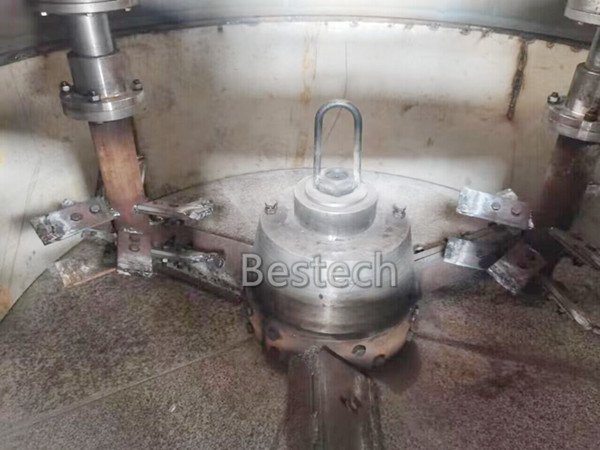
Rotor-Based Mixing Mechanism:At the heart of the machine is a rotor equipped with blades or paddles.
The rotor rotates at high speed, creating a shearing and kneading action that ensures thorough mixing.
Mixing Efficiency:It provides uniform distribution of binders and additives throughout the sand.
Ensures the sand mixture has consistent moisture content, density, and workability.
Construction:The mixer consists of a mixing chamber where the materials are combined.
Blades and scrapers inside the chamber keep the material moving and prevent sticking.
Discharge System:After mixing, the prepared sand is released through a discharge gate for further processing or direct use.
How Does It Work?
Loading:Sand, binder (such as clay or resin), and other additives (like water or catalysts) are fed into the mixing chamber either manually or through automated systems.
Mixing:The rotor blades rotate at high speed, creating intense shearing and frictional forces.
These forces break clumps of sand and evenly distribute binders and moisture throughout the mixture.
Some mixers also include scrapers to push the sand from the walls of the chamber back toward the rotor for thorough mixing.
Homogenization:The combination of mechanical action and airflow (in some designs) ensures that all particles are evenly coated with the binder, producing a consistent mixture.
Discharge:Once the sand reaches the desired consistency, it is discharged through an outlet gate. The process can be controlled to achieve specific sand properties based on mold or core requirements.
Rotor Sand Mixer Key Components
Mixing Chamber: The main container where sand and other materials are placed.
Rotor (or Mixing Blade): A rotating element with blades that stirs and agitates the materials.
Scrapers: Fixed or rotating components that keep the materials moving and prevent sticking to the chamber walls.
Pneumatic or Hydraulic System: Helps control the rotor’s movement and ensures uniform mixing.
Discharge Gate: For releasing the mixed material after processing.
How It Differs from Other Mixers
The rotor sand mixer is specifically designed for abrasive and granular materials like sand. Its high-speed rotor action and robust construction make it ideal for achieving the homogeneity required in casting processes, unlike other industrial mixers that may not handle sand effectively
Rotor Sand Mixer Application
Green Sand Mixing
Purpose: To prepare green sand used for molds in metal casting.
Outcome: A cohesive, high-strength sand mixture suitable for creating molds that hold molten metal during casting.
Reconditioning of Reclaimed Sand
Purpose: To recycle and reuse foundry sand.
Outcome: Cost-efficient and environmentally friendly sand preparation.
Conclusion
The rotor sand mixer is widely used in the foundry industry for preparing sand mixtures required for casting processes. Its main applications include mixing sand with binders and other additives to produce uniform and high-quality molding and core sand.