
A Complete Buyer’s Guide to Selecting the Right Q324 Tumblast Shot Blasting Machine for Maximum Productivity and Long-Term ROI
Introduction
Choosing the right Q324 Tumble Shot Blasting Machine is more than comparing prices.
A low-cost machine may reduce your initial investment, but poor blast wheel efficiency, excessive abrasive consumption, frequent maintenance, and inconsistent cleaning quality can significantly increase operating costs over time.
Whether you manufacture castings, forgings, automotive components, hardware parts, or heat-treated products, selecting the correct Tumblast Shot Blasting Machine directly affects:
- Production efficiency
- Surface cleaning quality
- Equipment reliability
- Abrasive consumption
- Energy usage
- Maintenance costs
- Return on investment (ROI)
This guide explains the most important technical and commercial factors buyers should evaluate before investing in a Q324 Shot Blasting Machine.
What Is a Q324 Tumble Shot Blasting Machine?
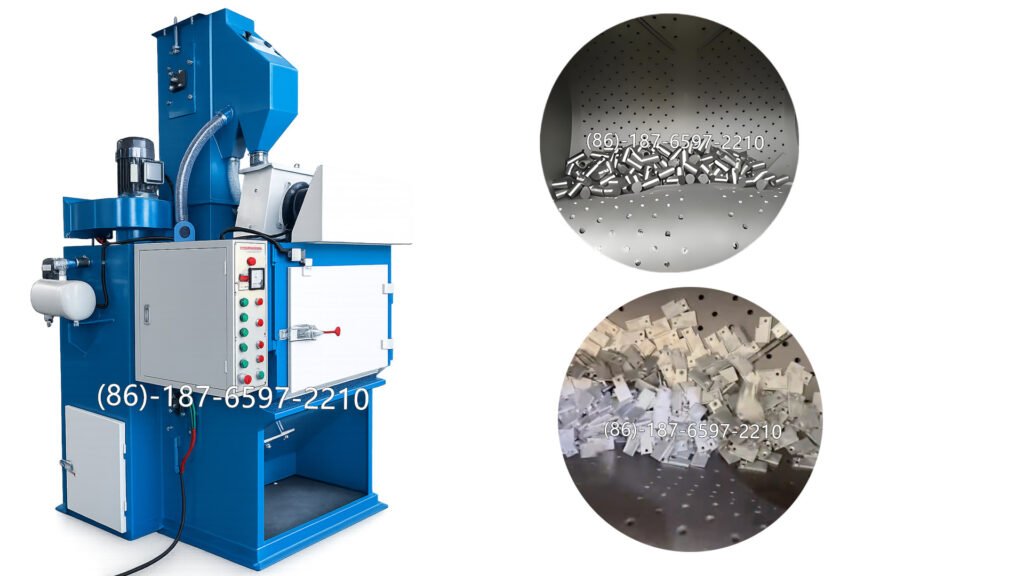
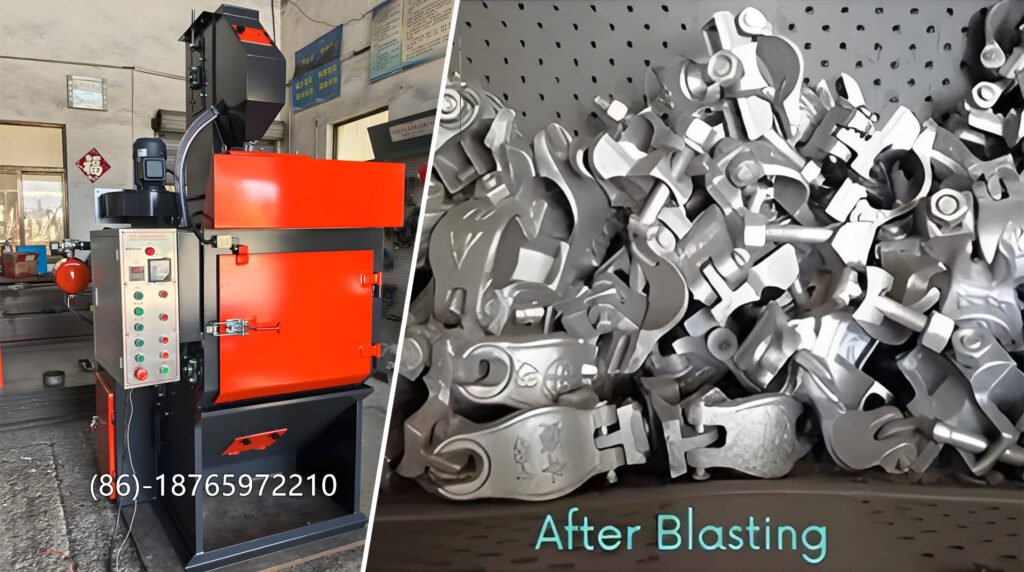
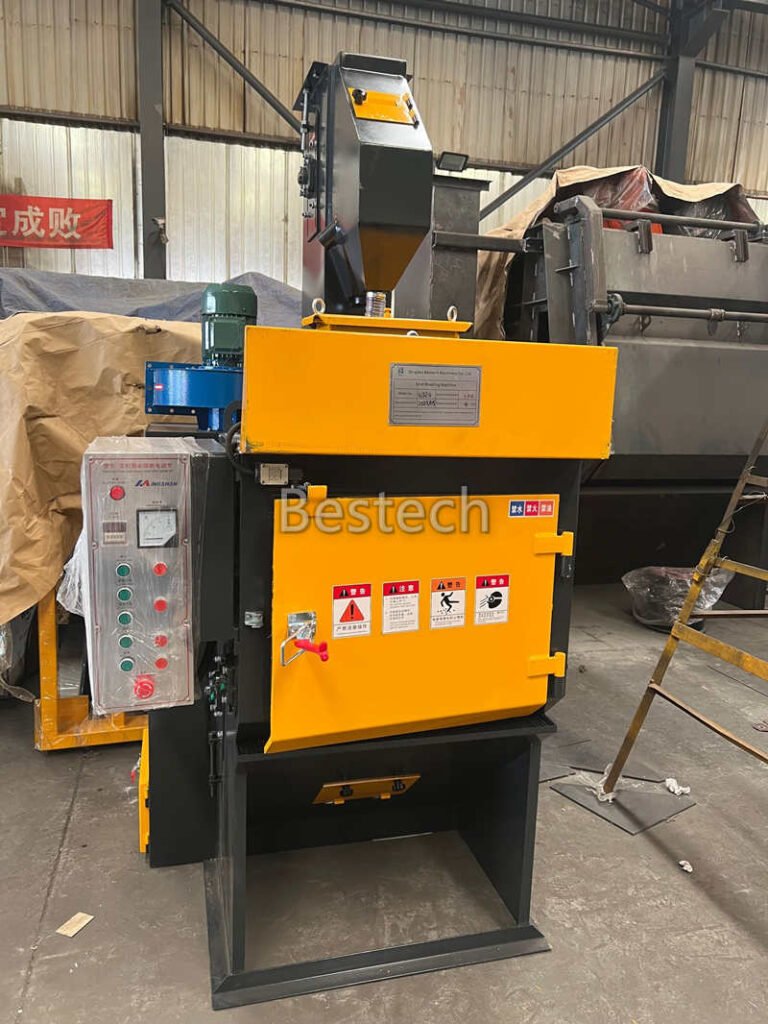
Q324 Tumble Shot Blasting Machine is a batch-type surface treatment system designed for cleaning small and medium-sized metal parts.
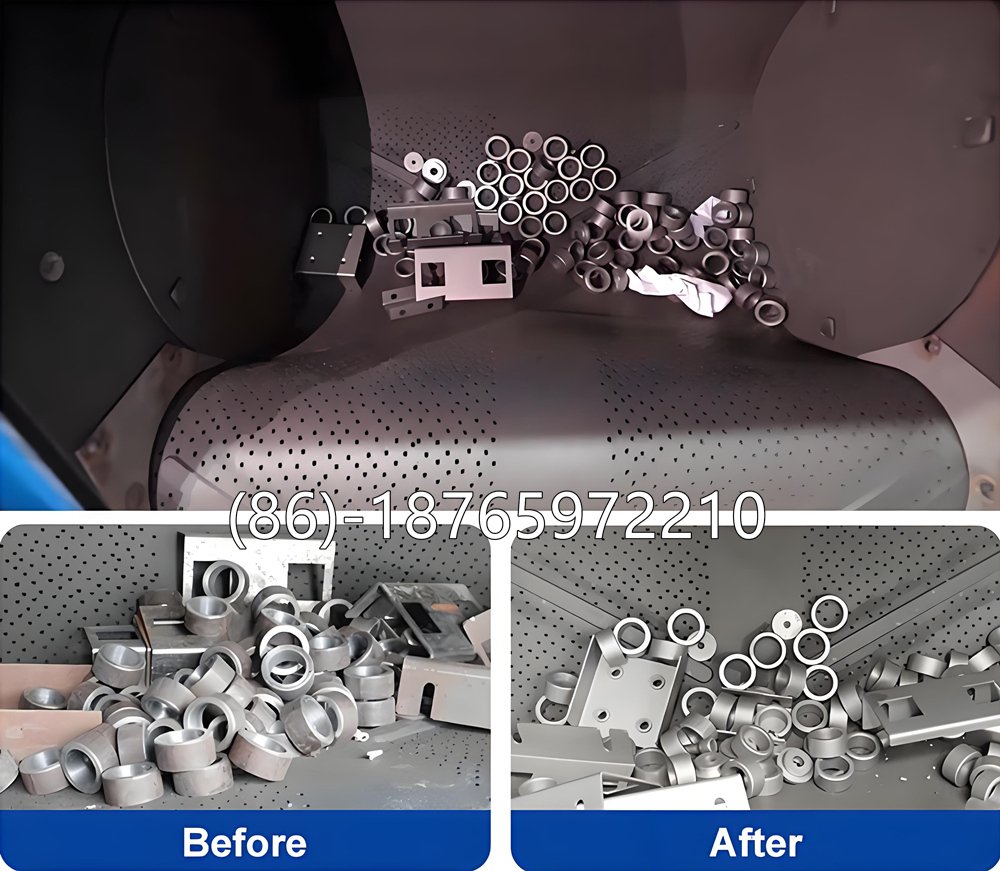
Workpieces are loaded into a rotating rubber belt chamber where they tumble continuously while high-speed blast wheels project steel shot onto every exposed surface.
Typical applications include:
- Iron castings
- Steel castings
- Forgings
- Aluminum castings
- Valve bodies
- Pump housings
- Automotive components
- Fasteners
- Hardware parts
- Heat-treated workpieces
The tumbling action ensures uniform 360° cleaning without manual repositioning.
Why Equipment Selection Matters
Many buyers focus only on purchase price.
However, the total ownership cost depends on factors such as:
- Blast wheel efficiency
- Abrasive recycling
- Power consumption
- Wear part life
- Maintenance frequency
- Dust collection performance
- Automation level
A properly selected machine can reduce operating costs for years while improving production efficiency.
1. Match the Machine to Your Workpiece
Start by evaluating:
Material
- Cast Iron
- Cast Steel
- Stainless Steel
- Aluminum Alloy
- Copper Alloy
Shape
- Simple geometry
- Complex castings
- Fragile parts
- Thick components
Maximum Dimensions
Large components require larger chamber capacity or alternative machine types.
Batch Weight
Q324 machines typically handle:
100–200 kg per batch
Selecting the correct batch size prevents overloading and improves cleaning efficiency.
2. Evaluate Production Capacity
Your daily production volume determines the required machine configuration.
Consider:
- Parts per hour
- Batch cycle time
- Shift schedule
- Future production expansion
Typical Q324 production capacities range from:
0.8–2 tons/hour, depending on workpiece size and cleaning requirements.
Choosing a machine with room for future growth minimizes the need for early equipment replacement.
3. Compare Blast Wheel Performance
The blast wheel is the heart of any shot blasting machine.
A high-quality blast wheel provides:
- Higher shot velocity
- Better cleaning consistency
- Lower energy consumption
- Longer wear life
Recommended Parameters
| Item | Typical Value |
|---|---|
| Blast Wheel Quantity | 1 |
| Blast Wheel Power | 7.5–11 kW |
| Abrasive Flow Rate | 120–180 kg/min |
| Wheel Efficiency | High-Efficiency Direct Drive |
High-performance blast wheels reduce cleaning time and operating costs.
4. Check Abrasive Recycling Efficiency
A good recycling system should include:
- Screw Conveyor
- Bucket Elevator
- Air Separator
- Abrasive Storage Hopper
Efficient recycling offers:
- Lower steel shot consumption
- Reduced waste
- Stable cleaning quality
- Lower operating costs
5. Evaluate Tumble Belt Quality
The rubber tumble belt experiences continuous impact and abrasion.
Choose belts manufactured from:
- High-strength wear-resistant rubber
- Reinforced steel cord construction
- Heat-resistant compounds
Premium belts provide:
- Longer service life
- Lower maintenance costs
- Better workpiece protection
6. Consider Dust Collection Performance
Effective dust extraction improves:
- Operator safety
- Machine reliability
- Workshop cleanliness
- Environmental compliance
Recommended system:
- Pulse Jet Bag Filter
- Automatic filter cleaning
- High filtration efficiency
- Easy maintenance
Typical airflow:
2,500–3,500 m³/h
7. Analyze Energy Efficiency
Modern Q324 machines should feature:
- High-efficiency motors
- Optimized blast wheel design
- Intelligent abrasive control
- Variable-frequency drive (optional)
Lower energy consumption directly reduces production costs.
8. Examine Wear-Resistant Components
Wear parts determine maintenance costs.
Critical components should use:
- High-chromium alloy liners
- Manganese steel protection plates
- Wear-resistant blast wheel blades
- Heat-treated impellers
Quality wear parts reduce downtime and extend equipment life.
9. Select the Right Automation Level
Modern foundries increasingly prefer automated solutions.
Optional upgrades include:
- PLC control
- Touchscreen HMI
- Automatic loading systems
- Automatic unloading
- Remote diagnostics
- Production data monitoring
Automation reduces labor costs while improving consistency.
10. Evaluate the Manufacturer’s Engineering Capability
A reliable manufacturer should provide:
- Application analysis
- Customized equipment selection
- Plant layout design
- Installation guidance
- Commissioning support
- Operator training
- Spare parts supply
- Lifetime technical service
Choosing an experienced manufacturer minimizes project risk and ensures long-term support.
Typical Technical Specifications
| Item | Q324 Standard Configuration |
| Machine Type | Tumble Belt Shot Blasting Machine |
| Batch Capacity | 100–200 kg |
| Production Capacity | 0.8–2 T/H |
| Blast Wheel Power | 7.5 kW |
| Abrasive Flow Rate | 120–180 kg/min |
| Tumble Belt Diameter | Approximately 1000 mm |
| Dust Collector Air Volume | 2,500–3,500 m³/h |
| Total Installed Power | 15–22 kW |
| Control System | PLC Optional |
Configurations can be customized according to production requirements.
Common Mistakes When Purchasing
Choosing Based Only on Price
Low-cost equipment often leads to:
- Higher maintenance expenses
- Poor cleaning quality
- Increased downtime
- Shorter service life
Ignoring Future Capacity
Selecting a machine that only meets current demand may require expensive upgrades later.
Overlooking Dust Collection
Insufficient dust extraction increases maintenance and negatively impacts workplace safety.
Purchasing Without Technical Consultation
Professional engineering support helps avoid costly configuration mistakes.
Why Choose Our Q324 Tumble Shot Blasting Machine?
We provide more than equipment—we deliver complete surface treatment solutions.
Factory-Direct Manufacturing
Competitive pricing with strict quality control.
High-Efficiency Blast Wheel Technology
Designed for stable cleaning performance and reduced energy consumption.
Heavy-Duty Construction
Wear-resistant liners and precision-machined components ensure long service life.
Customized Engineering
Every solution is designed according to:
- Workpiece dimensions
- Material type
- Production capacity
- Automation requirements
- Workshop layout
Comprehensive After-Sales Support
- Installation guidance
- Commissioning
- Operator training
- Spare parts supply
- Remote technical assistance
Frequently Asked Questions
Which industries commonly use the Q324?
- Foundries
- Automotive manufacturing
- Valve production
- Pump manufacturing
- Forging plants
- Hardware processing
- Heat treatment workshops
Can the machine process fragile castings?
Yes. Adjustable tumbling speed and optimized blasting parameters help protect delicate workpieces.
What abrasives are compatible?
- Cast steel shot
- Steel grit
- Stainless steel shot
- Cut wire shot
The appropriate media depends on the required surface finish and material.
Can the machine be integrated into an automated production line?
Yes. Optional conveyors, loading systems, and PLC controls enable seamless integration with automated manufacturing systems.
Get the Right Shot Blasting Solution
Choosing the correct Q324 Tumble Shot Blasting Machine begins with understanding your production needs.
Our engineering team will recommend the most suitable configuration based on your application.
Free Technical Consultation Includes
✔ Workpiece analysis
✔ Surface cleanliness evaluation
✔ Equipment selection
✔ Blast media recommendation
✔ Plant layout optimization
✔ Energy consumption analysis
✔ ROI calculation
Request a Factory-Direct Quotation
To receive a customized proposal, please provide:
- Workpiece material
- Maximum dimensions
- Single batch weight
- Daily production capacity
- Required surface cleanliness (ISO 8501-1 Sa grade)
- Existing production layout
- Automation requirements
Our engineers will prepare a complete technical proposal and competitive quotation within 24 hours.