
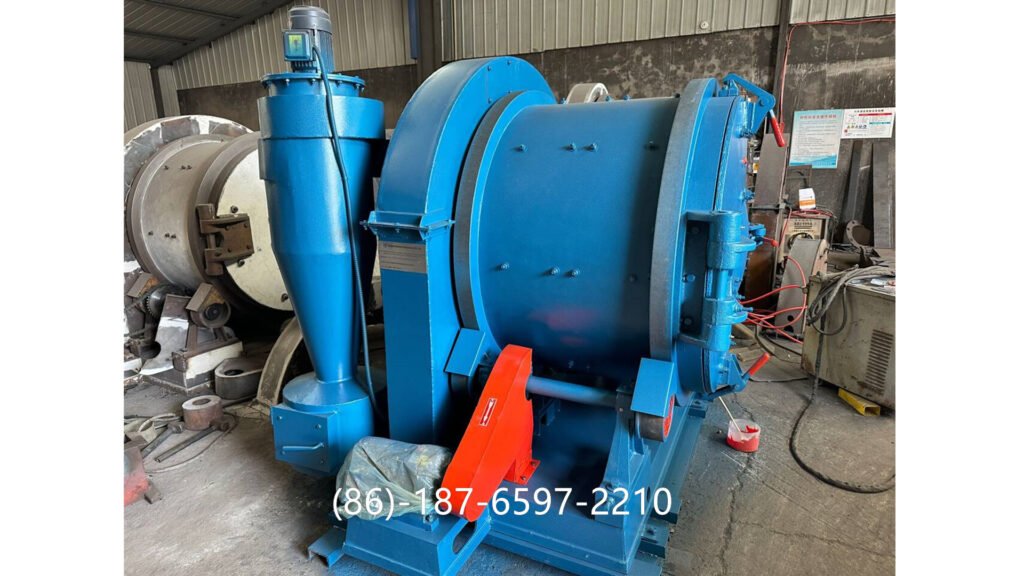
Rotary drum shot blasting machine is a type of surface treatment equipment used to clean, descale, and strengthen metal parts by blasting them with high-speed steel shots inside a rotating drum.
Key To Achieving Better Energy Efficiency
In modern foundry and metal surface treatment workshops, the rotary drum shot blasting machine is widely used for cleaning small to medium-sized castings, forgings, and heat-treated parts. However, with rising energy costs and stricter environmental requirements, improving the energy efficiency of this machine has become an important concern for engineers and plant managers.
1. Optimize the Blasting Process Parameters
One of the most direct ways to reduce energy consumption is to optimize operating parameters. Shot blasting time, drum rotation speed, abrasive flow rate, and blasting intensity should be set according to the actual material, weight, and surface condition of the workpieces. Over-blasting not only wastes energy but also increases wear on components. Reasonable parameter matching can ensure sufficient cleaning quality with minimum power consumption.
2. Select High-Efficiency Blast Wheels
The blast wheel is the core energy-consuming component of the rotary drum shot blasting machine. Using high-efficiency blast wheels with optimized blade design and better dynamic balance can significantly improve shot throwing efficiency. Under the same motor power, more effective impact energy can be delivered to the workpiece surface, thus reducing overall operating time and energy usage.
3. Improve Abrasive Circulation and Separation System
An efficient abrasive circulation system plays an important role in energy saving. Good separation of qualified steel shots from dust and broken abrasives reduces unnecessary load on the blast wheel and elevator. Smooth conveying, reduced blockage, and well-adjusted air washing separators can lower motor resistance and improve system efficiency.
4. Maintain Proper Drum Loading Rate
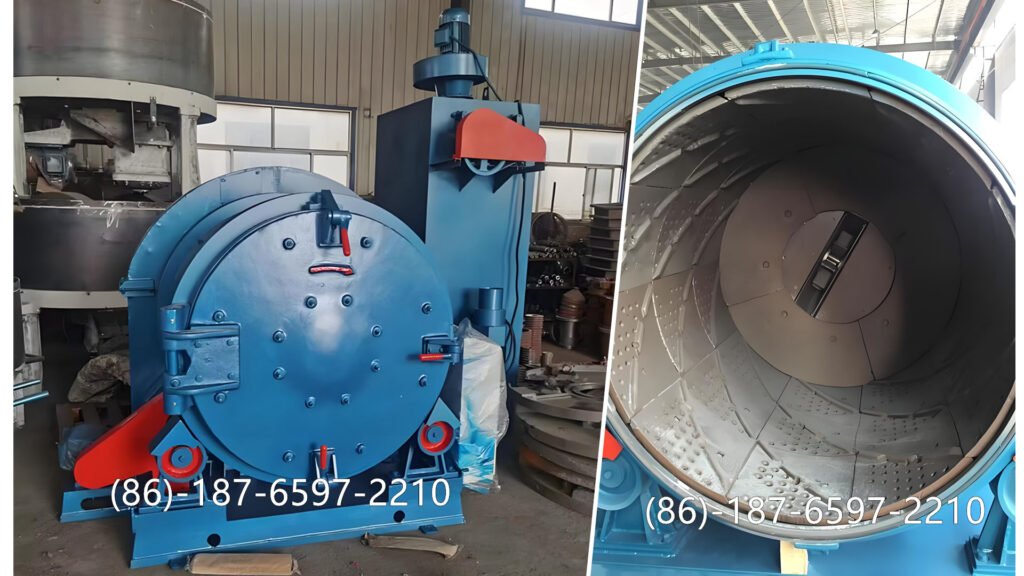
From an engineering point of view, the loading rate of the rotary drum should be kept within a reasonable range. Under-loading leads to poor utilization of blasting energy, while over-loading increases resistance, prolongs blasting time, and raises power consumption. Maintaining a stable and suitable batch weight ensures effective energy use during each blasting cycle.
5. Strengthen Daily Maintenance and Wear Control
Worn liners, blades, control cages, and seals will reduce blasting efficiency and cause energy loss. Regular inspection and timely replacement of wear parts can keep the machine working in its designed efficiency range. Proper lubrication of bearings and transmission components also reduces mechanical losses and unnecessary power consumption.
6. Use Intelligent Control and Automation
Applying frequency converters, PLC control systems, and intelligent monitoring can further improve energy efficiency. Variable frequency control allows motors to run at optimized speeds instead of full load all the time. Automatic start-stop control based on actual production rhythm avoids idle running and reduces wasted energy.
7. Improve Dust Collection System Efficiency
An oversized or poorly adjusted dust collector can also increase energy consumption. Engineers should match the dust collection air volume with the actual blasting requirement. Reducing air leakage, optimizing duct layout, and maintaining filter elements can effectively lower fan power consumption without compromising dust removal performance.
Conclusion
Improving the energy efficiency of a rotary drum shot blasting machine is not achieved by a single measure, but by systematic optimization of design, operation, and maintenance. From selecting high-efficiency blast wheels to optimizing process parameters and adopting intelligent control, every detail contributes to energy saving. From an engineer’s viewpoint, continuous adjustment and practical verification in daily production are the keys to achieving stable, efficient, and economical operation.