
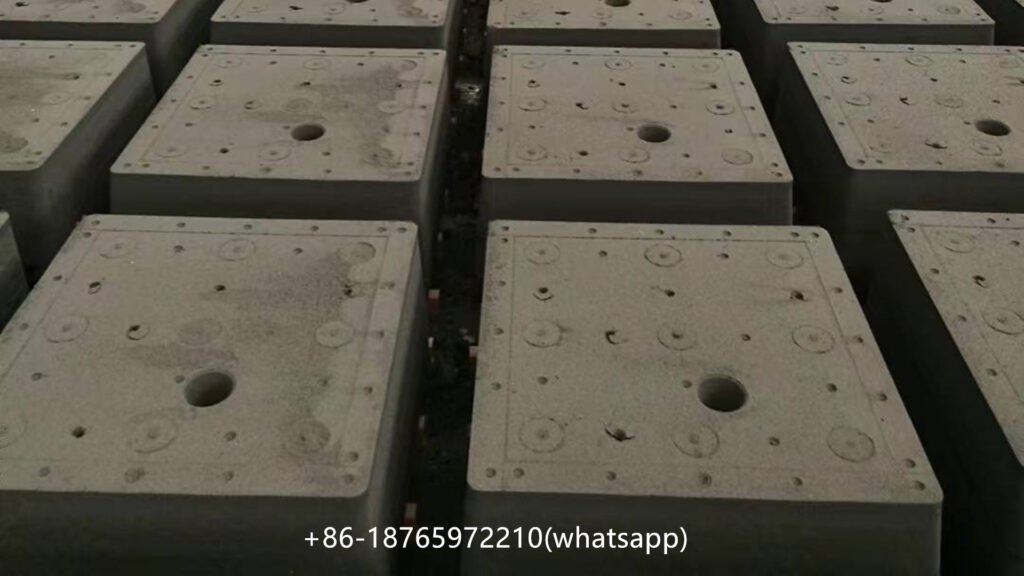
Making a mold with sand is a common technique, especially for metal casting, it also called sand molding process. The sand molding process is a technique used primarily in metal casting to create molds for forming molten metal into a desired shape. The process involves creating a mold from sand and then pouring molten metal into the mold to form a solid object. It is one of the most commonly used methods for manufacturing metal parts due to its flexibility, simplicity, and cost-effectiveness.
Materials Needed:
Fine sand (like play sand, although special molding sand is ideal for metal casting)
Water
A container or box (called a “flask”) to hold the sand mold
The object you want to cast (a pattern)
A shovel or spoon to pack the sand
A wooden or metal rod for making vents (if casting metals)
A release agent (optional)
Steps:
1. Prepare the Pattern:
- The object you want to cast is called a “pattern.” It needs to be smooth and can be made of wood, metal, or another material that can withstand being removed from the mold.
- If you’re casting metal, make sure your pattern is not too intricate, as metal can get caught in tiny details.
2. Build the Flask:
- A flask is a frame that holds the sand mold. You can use a wooden or metal box that is large enough to contain the pattern and some extra space for the sand.
- Ensure the flask is clean and free from dirt, as this can affect the mold.
3. Prepare the Sand:
- Mix the sand with a small amount of water. The sand should be damp but not soaked. The moisture helps the sand stick together and form a strong mold.
- Optionally, you can add a binder to the sand to help it hold its shape better (especially important for casting metals). A typical binder is bentonite clay, which helps with strength and heat resistance.
4. Pack the Sand:
- Place your pattern into the flask, ensuring it’s placed firmly in the sand, with enough space on all sides for the mold to form.
- Begin filling the flask with damp sand, packing it tightly around the pattern to ensure there are no air pockets. Use a shovel or your hands to pack the sand layer by layer.
- If you’re making a two-part mold (for complex shapes), pack the sand on one side, then remove the pattern (if possible) and repeat the process for the other half.
5. Remove the Pattern:
- Once the sand is packed tightly, carefully remove the pattern from the mold. This may involve gently pulling it out of the sand, making sure not to disturb the shape or leave too many imprints behind.
- If you’re making a two-part mold, you’ll do this for both halves.
6. Add Vents (for Metal Casting):
- If you’re casting metal, you’ll need to add vents or channels for the molten metal to flow through. These are usually small openings or channels that allow gases to escape and help the molten material fill the mold properly.
7. Dry and Harden the Mold:
- Allow the mold to dry if necessary, especially if it’s large or if the sand was overly damp. Some molds can be baked in an oven to harden, while others will harden by sitting at room temperature for a while.
8. Cast Your Material:
- Now you’re ready to pour your molten material (like metal, plaster, or resin) into the mold.
- Make sure the mold is well-secured, and pour carefully to avoid spills or accidents.
9. Break the Mold:
- After the casting material has cooled and hardened, you can break away the sand mold to reveal your cast object. Depending on the material, you may need to carefully chip away the mold or use a sandblasting method to clean up the casting.
Types of Sand Molding Processes:
Green Sand Molding: This is the most common sand molding process. The “green” refers to the damp state of the sand, not that it’s environmentally friendly. Green sand is a mixture of sand, clay, water, and sometimes other additives. It’s inexpensive and versatile, but the molds are typically single-use.
Resin Sand Molding: This is a more advanced and precise form of sand casting that uses a resin-based binder instead of traditional clay and water to hold the sand particles together. This method offers several advantages, such as improved mold strength, better surface finish, and the ability to create more intricate details compared to conventional sand molding processes. It is particularly useful for casting metals that require high-quality, detailed molds.
Shell Molding: This is a more advanced type of sand molding where a thin shell of fine sand and a resin binder is used to create a precise, high-quality mold. It’s commonly used for more intricate parts.
Advantages of Sand Molding:
- Cost-Effective: Sand is readily available and inexpensive, making it a popular choice for both small-scale and industrial casting.
- Flexibility: Sand molds can be used to cast a wide variety of metals and can produce complex shapes.
- Large Parts: Sand casting is ideal for creating large parts that would be difficult to make with other methods.
Conclusion
Sand molding process is widely used in industries like automotive manufacturing, construction, aerospace, and artistic sculptures, where metal parts need to be created efficiently.
Tips:
- If you’re new to molding with sand, it can help to practice with a simple, non-metal material like plaster or even concrete.
- Keep your sand mixture consistent—too wet or too dry can affect the final mold’s durability.
- If you’re working with metal, be sure to check the temperature limits for your sand type. Some molds can only withstand certain heat levels before breaking down.