
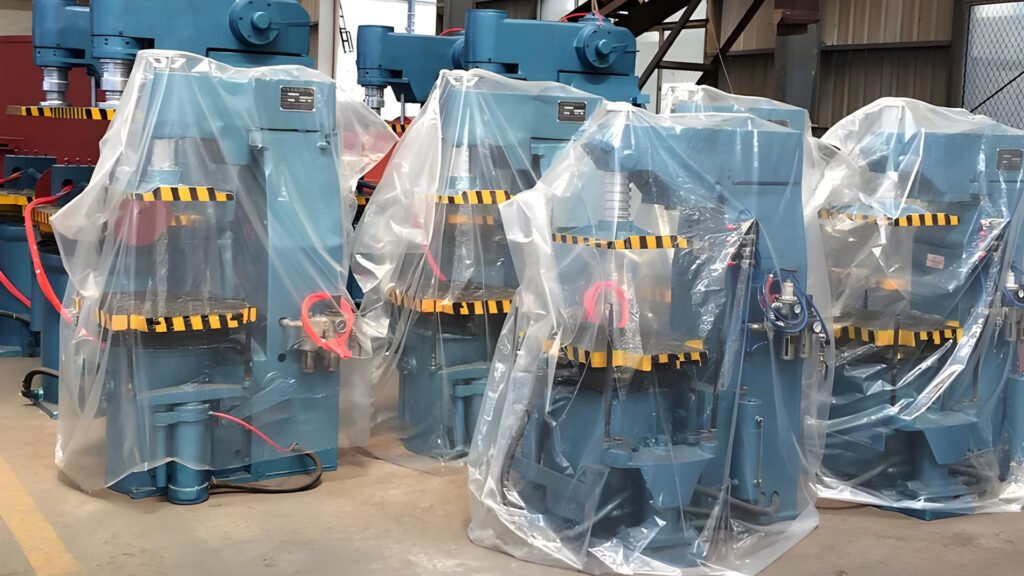
Still struggling to find an economical and efficient green sand molding machine?
Green sand molding machines automate the process of compacting the sand mixture around a pattern to create a mold cavity for metal casting.
Green sand molding is a widely used casting technique, but its cost-effectiveness often depends on specific production requirements, material management, and process optimization.
Analysis of Green Sand Molding Economic Aspects
1. Material and Process Cost Advantages
Green sand molding is historically the least expensive casting method due to its reliance on readily available materials: sand, clay, and water. The “green” designation refers to the moist state of the sand during metal pouring, which allows for easy reuse and recycling of the sand mixture. Recycling systems, such as those using reclaimed sand, further reduce material costs by reintegrating up to 90% of used sand into new molds.
2. Comparison with Alternative Methods
While green sand molding is cost-effective, other methods like cold box or no-bake processes offer higher dimensional accuracy but require synthetic resins or binders, increasing material and equipment expenses. For example, cold box molds use chemical binders that raise production costs by 20–30% compared to green sand. Similarly, shell molding (using baked sand) demands specialized ovens, adding energy and capital costs.
3. Quality Trade-offs and Cost Drivers
Sand Quality: High-quality green sand requires controlled moisture content, clay percentage, and additive management. Poor sand management can lead to defects (e.g., gas porosity), increasing rejection rates and long-term costs.
Automation and Equipment: While manual green sand molding is low-cost, automated systems (e.g., high-pressure compacting machines) may require upfront investments. However, these systems improve efficiency and consistency, offsetting costs in large-scale production.
4. Environmental and Long-Term Savings
Green sand’s recyclability aligns with sustainability goals, reducing waste disposal costs. Additionally, its low thermal load during pouring minimizes energy expenditure compared to heat-intensive methods like shell molding.
5. Key Cost Mitigation Strategies
Optimize sand reclamation to maintain particle integrity and reduce binder usage.
Implement real-time monitoring of moisture and compaction to prevent defects.
Use additives (e.g., coal dust with high lustrous carbon) to enhance surface quality without increasing costs significantly.
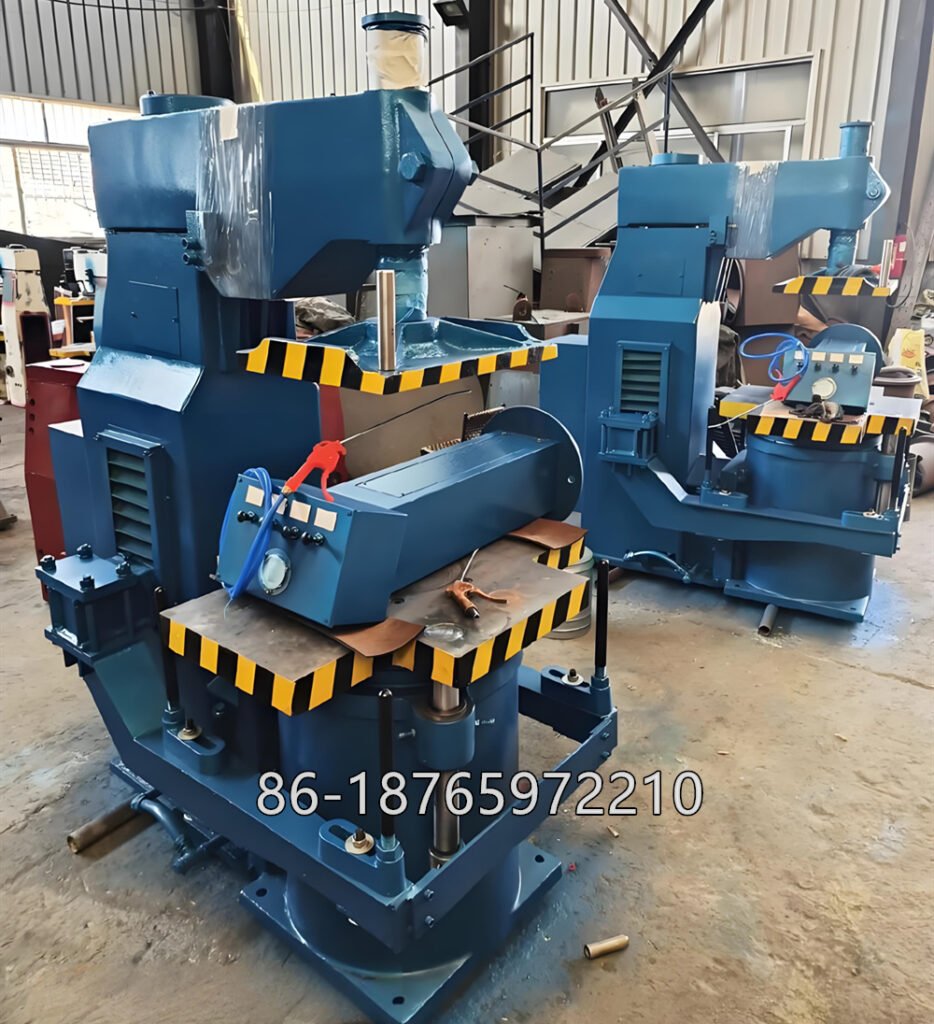
What Is Green Sand Molding?
Green sand molding machine is a type of equipment used in metal casting to produce molds from green sand—a mixture of silica sand, clay (usually bentonite), water, and additives. “Green” in this context means the sand is moist, not that it is environmentally friendly (though it is often recyclable).
Types of Green Sand Molding Machines
1. Jolt Squeeze Molding Machine
- Uses jolting and squeezing actions to compact sand.
- Common for small to medium-size castings.
- Economical and simple.
2. Automatic/Horizontal Parting Molding Machine
- High-speed automated machines used in mass production.
- Horizontal parting line between cope and drag.
- Used in automotive and large-scale foundries.
3. Vertical Parting Molding Machine
- No pattern plate; molds are made vertically and stacked.
- Very high production rate.
- Compact layout.
Green Sand Composition
- Silica Sand: 85-95%
- Clay (Bentonite): 4-10%
- Water: 2-5%
- Additives (e.g., coal dust): Improves surface finish and prevents metal penetration
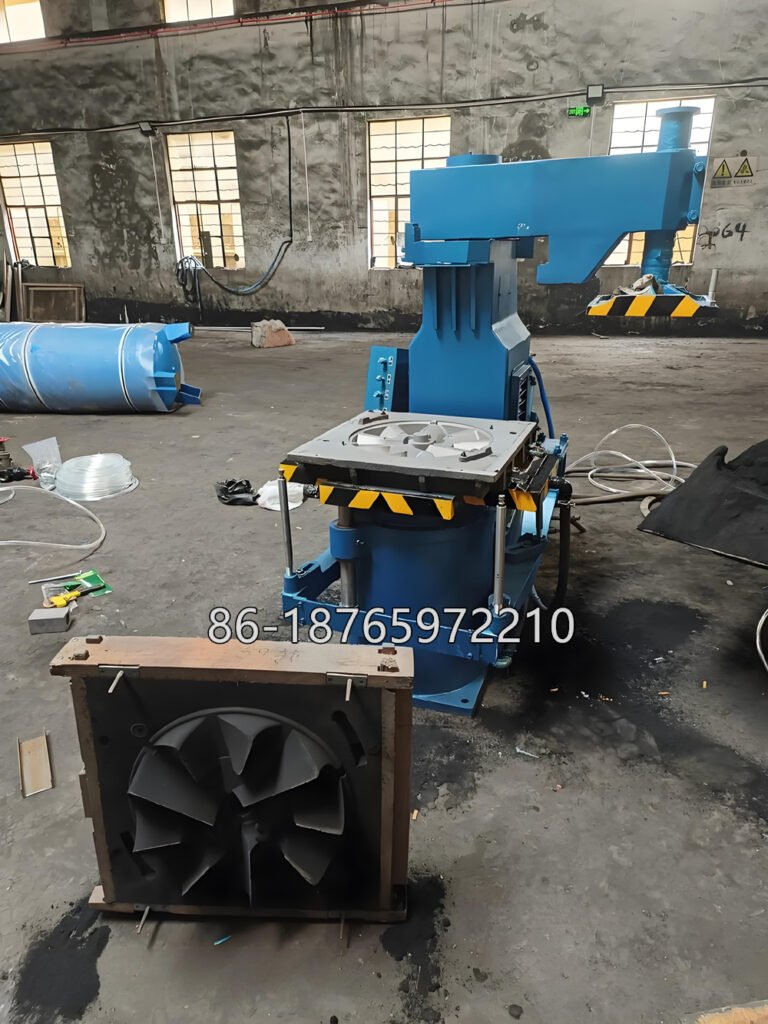
Strategies for Finding an Economical and Efficient Green Sand Molding Machine
The quest for a cost-effective yet environmentally friendly green sand molding machine is a critical challenge in modern foundry operations.
Prioritize Modular and Scalable Designs
Why: Modular systems allow incremental upgrades, reducing upfront costs while adapting to production needs. For example, hybrid architectures.
Case Study: Boeing’s approach to optimizing aircraft efficiency via sparse computation and latent vector compression6 can inspire compact, energy-smart casting designs.
Optimize Material Utilization
Sand Recycling Systems: Implement closed-loop systems to reuse 95%+ of green sand, cutting raw material costs and waste.
AI-Driven Quality Control: Use real-time sensors to monitor sand moisture and compaction, reducing defects and rework (similar to SOAP-standardized data exchange in efficient workflows.
Supplier Selection and Vendor Collaboration
Search Keywords: Use SEO-friendly terms like “green sand molding machine economical” or “eco-friendly casting equipment” to filter suppliers.
Vendor Partnerships: Collaborate with manufacturers aligning with cost-effective deployment strategies.
Adopt Preventive Maintenance Protocols
Practices: Regular inspections of molds and sand mixers prevent downtime, extending machine lifespan. Simple yet practical measures (e.g., dual-seal protection against moisture1()) enhance durability.
Training: Upskill operators in energy-saving techniques, such as optimal ramming pressure settings, to maximize efficiency.
Advantages of Green Sand Molding
Green sand molding, a widely used metal casting process, offers multiple benefits in industrial applications.
Cost-Effectiveness
Green sand molding employs inexpensive raw materials such as moist silica sand, bentonite clay, and coal dust. Unlike resin-based or no-bake systems, it avoids costly chemical binders, significantly reducing material expenses. Additionally, reusable patterns (wood or metal) lower long-term production costs
Versatility in Metal Compatibility
This method supports both ferrous and non-ferrous metals, including iron, steel, aluminum, and copper alloys. Its adaptability makes it suitable for diverse casting requirements, from small components to large industrial parts.
High Production Efficiency
Modern advancements like high-density molding (e.g., high-pressure squeezing or impact compaction) improve sand uniformity and mold strength. Automated systems further enhance productivity, enabling rapid cycle times and mass production.
Environmental Sustainability
Green sand is recyclable, with up to 90% of used sand reclaimable after shaking out castings. This reduces waste and aligns with sustainable manufacturing practices. The process also avoids toxic emissions associated with chemical binders.
Design Flexibility
It accommodates complex geometries and large-sized castings. While less precise than investment casting, innovations in compaction techniques (e.g., air-flush molding) have improved dimensional accuracy and surface finish.
Conclusion
Green sand molding remains a cost-effective choice for most casting applications, particularly when prioritizing scalability and sustainability. While alternative methods offer precision, their higher material and energy costs often make green sand the preferred option for mass production. However, manufacturers must balance initial setup costs with long-term quality control to maximize savings.