

Struggling with how to choose the right core shooting machine?
Core shooting machines are essential equipment in foundries and manufacturing industries for producing sand cores used in metal casting.
Selecting the right machine requires careful evaluation of technical specifications, operational needs, and long-term goals.
What Is A Core Shooting Machine?
A core shooting machine is a specialized industrial device used in metal casting processes to produce sand cores, which are precisely shaped molds inserted into casting cavities to create internal features in metal parts (e.g., hollow sections, channels). It operates by injecting sand mixed with binders into a core box under high pressure, followed by curing to solidify the core.
Function and Process
- Core Formation: The machine compacts sand-binder mixtures (e.g., resin-coated silica sand) into a core box mold using pneumatic or hydraulic pressure.
- Curing: Depending on the binder type, cores are solidified through:
- Heat (e.g., hot-box machines with heated tooling),
- Chemical catalysts (e.g., cold-box systems curing at room temperature),
- Time-dependent hardening (e.g., shell core processes).
Types and Configurations
Cold-Box Machines: Utilize gas or chemical catalysts for curing, ideal for high-precision cores with fast cycle times.
Hot-Box Machines: Require heated tooling to cure resin-bonded sand, suited for heat-resistant cores.
Vertical vs. Horizontal:
Vertical machines are compact and handle small-to-medium cores.
Horizontal machines improve sand distribution for larger or complex cores.
Key Components and Features
Core Box: Precision-machined mold defining the core’s shape.
Automation: PLC-controlled systems enable semi- or fully automated operation, enhancing consistency and reducing labor.
Material Handling: Some models include staircases or ergonomic designs for easier loading.
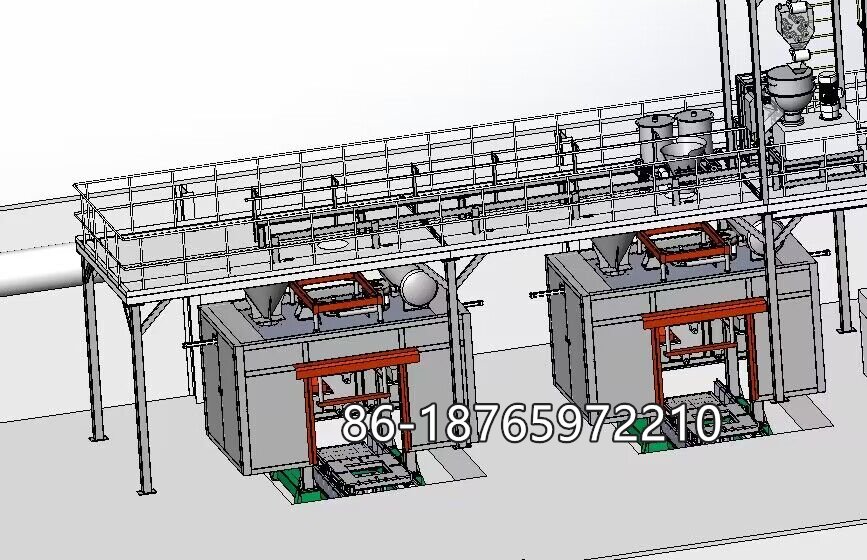
Critical Factors To Consider To Ensure Optimal Performance, Efficiency, And Return On Investment When Choosing Core Shooting Machine
1. Application Requirements
- Core Size and Complexity: Determine the size, weight, and geometric complexity of the cores you need to produce. Machines vary in their ability to handle intricate designs or large cores.
- Core Material Compatibility: Ensure the machine is compatible with the type of sand (e.g., silica, resin-coated) and binder systems (cold-box, hot-box, or shell core processes).
- Production Volume: High-volume operations may require fully automated machines, while smaller batches might benefit from semi-automatic or manual systems.
2. Machine Type and Technology
- Cold vs. Hot Core Shooting:
Cold-Box Machines: Use gas or chemical catalysts to cure cores at room temperature. Ideal for high precision and fast cycle times.
Hot-Box Machines: Require heated tooling to cure cores. Suitable for heat-resistant cores but consume more energy.
- Vertical vs. Horizontal Shooting:
Vertical machines are compact and ideal for small to medium cores.
Horizontal machines offer better sand distribution for large or complex cores.
3. Cycle Time and Productivity
- Cycle Time: Evaluate the machine’s cycle time (filling, curing, and ejection) to match your production targets. Faster cycles improve throughput but may increase costs.
- Automation Level: Advanced automation (e.g., robotic core handling, IoT integration) reduces labor dependency and minimizes human error, enhancing consistency and efficiency.
4. Precision and Repeatability
- Tooling Accuracy: High-precision tooling ensures cores meet dimensional tolerances and reduce post-processing.
- Pressure and Sand Flow Control: Consistent sand density and uniform compaction are critical for defect-free cores. Look for machines with adjustable pressure and flow controls.
5. Energy Efficiency and Sustainability
- Power Consumption: Compare energy usage across models, especially for hot-box machines, which require significant heating.
- Emission Control: Machines with closed-loop systems or filters minimize harmful emissions (e.g., volatile organic compounds) to comply with environmental regulations.
6. Safety Features
- Operator Safety: Ensure the machine includes safeguards such as emergency stops, protective guards, and pressure relief valves.
- Compliance: Check adherence to industry safety standards (e.g., OSHA, CE, or ISO certifications).
10. Cost Considerations
- Initial Investment vs. Lifetime Cost: While advanced machines may have higher upfront costs, they often deliver savings through energy efficiency, reduced waste, and lower maintenance.
- ROI Analysis: Factor in productivity gains, labor savings, and quality improvements to justify the investment.
Choosing the right core shooting machine requires balancing technical capabilities, operational needs, and budget constraints. Prioritize machines that align with your specific application requirements while offering reliability, precision, and scalability. Partnering with a reputable supplier and investing in training and maintenance will ensure long-term success in core production and metal casting operations.
Why Core Shooting Machines Are Widely Used in Foundry Plants
Core shooting machines are indispensable in modern foundries due to their ability to produce high-precision sand cores efficiently, which are critical for creating complex internal geometries in metal castings
High Efficiency in Core Production
Core shooting machines automate the process of injecting sand-binder mixtures into core boxes, enabling rapid and repeatable core formation. This significantly reduces cycle times compared to traditional manual methods, making them ideal for high-volume production. For example, automated systems in foundries like Henan Pingdingshan Foundry streamline workflows, ensuring consistent output for large-scale projects such as ultra-high-voltage power transmission components.
Precision and Consistency
These machines ensure uniform sand compaction and density, eliminating defects like air pockets or uneven wall thicknesses that compromise casting integrity. Advanced pressure control systems allow precise adjustments, ensuring cores meet tight dimensional tolerances required for industries such as aerospace and automotive.
Versatility in Material Compatibility
Core shooting machines support diverse binder systems (e.g., resin-bonded, cold-box, or shell-core processes), accommodating various sand types and alloys. This flexibility is crucial for producing cores for non-ferrous metals like aluminum, widely used in lightweight automotive components.
Integration with Advanced Technologies
Modern machines often incorporate automation and IoT capabilities, reducing labor dependency and minimizing human error.
Cost-Effectiveness and Sustainability
By optimizing material usage and reducing waste, core shooting machines lower operational costs. Closed-loop systems in advanced models also mitigate emissions of volatile organic compounds (VOCs), aligning with environmental regulations.
Conclusion
Core shooting machines dominate foundries due to their unmatched precision, efficiency, and adaptability. By addressing the limitations of traditional casting methods (e.g., porosity, inconsistent quality) and integrating cutting-edge technologies, they enable the production of high-performance components for demanding applications. Their role in advancing sustainable and automated manufacturing ensures their continued relevance in industrial production.