
Good maintenance can double the efficiency.
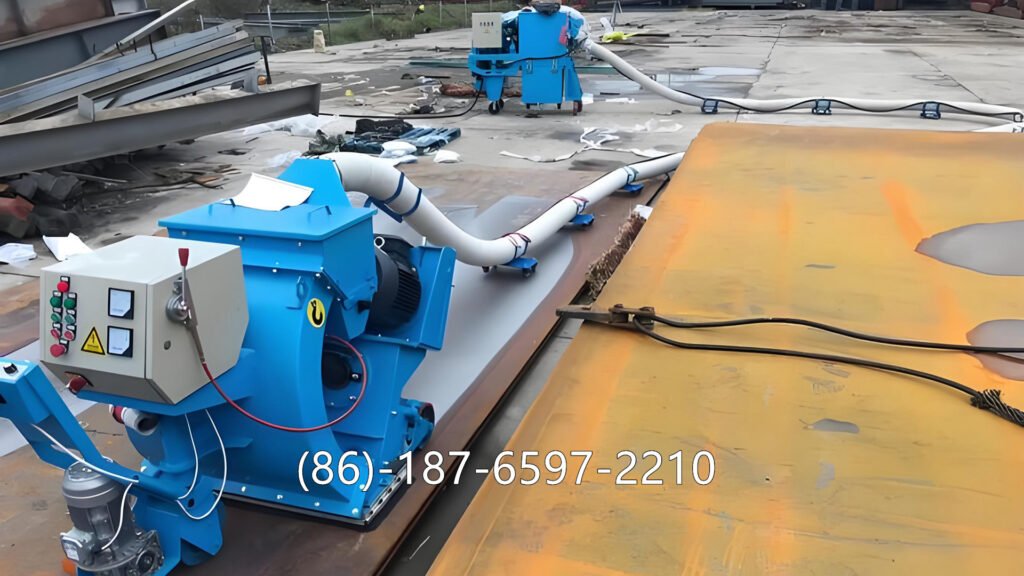
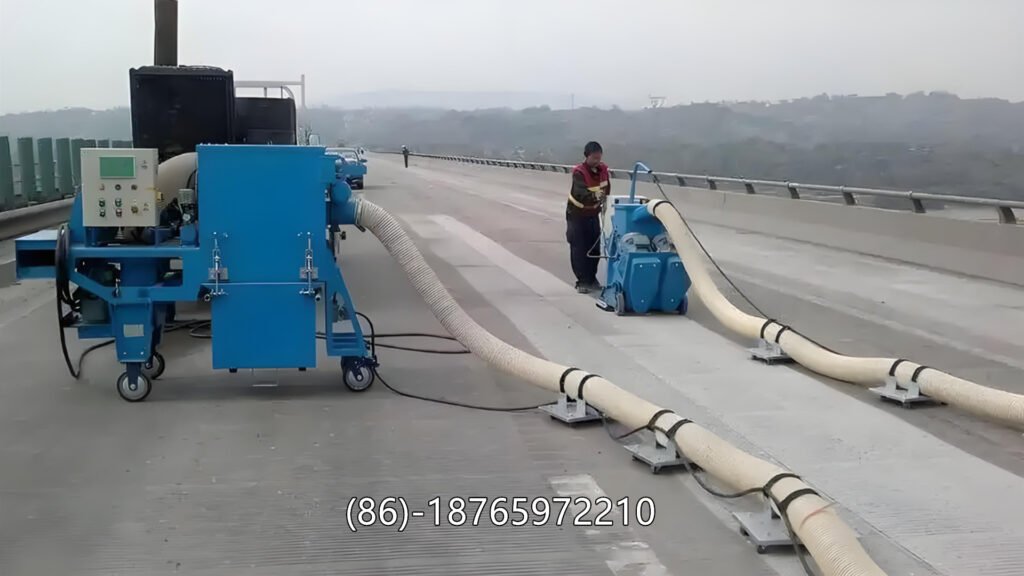
Floor shot blasting machine (also called a concrete shot blaster) is a mechanical surface-cleaning and profiling machine that propels steel shots at high velocity onto the floor surface. The impact removes contaminants, adhesives, weak concrete layers, rust, or old coatings, and simultaneously creates a uniform rough texture for new coatings or overlays.
Essential Matters That Operators Must Pay Close Attention
Many people have never heard of the floor shot blasting machine. It is a surface preparation device that uses high-speed steel shots to clean, roughen, or strengthen concrete, steel, or asphalt floors. What needs to be paid attention to during the daily maintenance of the floor shot blasting machine?
Daily maintenance of a floor shot blasting machine is critical for ensuring stable blasting efficiency, long equipment life, and safe operation on site.
1. Check Wear Parts Regularly
The blasting wheel, liners, blades, control cage, and shot-guard plates are the most vulnerable components.
- Inspect the wear condition every day before startup.
- Replace blades or liners once the abrasion exceeds the safety limit.
- Avoid operating with worn parts, as this will reduce throwing efficiency and cause uneven blasting patterns.
2. Monitor Abrasive Flow and Quality
Stable abrasive flow ensures consistent cleaning performance.
- Check the abrasive valve opening and make sure the flow is smooth.
- Screen the steel shots daily to remove broken particles and debris.
- Keep the shot storage hopper at a proper level to prevent sudden drop of blasting intensity.
3. Clean Dust Collector and Air Filters
A clogged dust-collection system causes poor vacuum extraction and leads to dust leakage.
- Empty the dust box after each shift.
- Clean or replace filter cartridges as needed.
- Ensure that all air pipes and sealing joints are free from blockage or leakage.
4. Inspect Seals and Rubber Curtains
The sealing system directly affects the dust-free performance of the floor shot blasting machine.
- Check the front and rear rubber curtains for cracks or tearing.
- Make sure the side sealing plates are intact and tightly mounted.
- Replace damaged curtains immediately to prevent steel shots from escaping during operation.
5. Check Drive System and Fasteners
Stable mechanical transmission ensures smooth machine movement.
- Inspect the motor, gearbox, belts, and chains.
- Apply lubricant to bearings and moving parts according to schedule.
- Tighten all bolts, nuts, and adjustment screws to avoid vibration looseness.
6. Electrical System Safety Check
- Inspect cable insulation for wear or damage.
- Ensure the emergency stop button is functional.
- Verify that the control panel indicators, switches, and sensors work normally.
- Avoid moisture or dust accumulation inside the electrical cabinet.
7. Roller Brushes and Recovery System Maintenance
The recovery system plays a key role in separating abrasive from dust and debris.
- Check the brush condition and adjust the height to ensure full ground contact.
- Clean the separator and return conveyor to avoid blockages.
- Remove foreign materials that might hinder abrasive recovery.
8. Keep the Machine Clean After Each Shift
A clean machine is easier to inspect and lasts longer.
- Blow off accumulated dust from surface areas.
- Remove steel shots stuck in corners or under the machine.
- Clean the wheels and track marks to maintain easy maneuverability.
9. Perform Test Run Before Large Jobs
Before starting a continuous blasting task:
- Conduct a short test run to verify blasting width, speed, and effect.
- Listen for abnormal noises from the blasting wheel or drive system.
- Adjust parameters to suit the floor material (concrete, steel plate, epoxy removal, etc.).
10. Follow Safety Operation Codes
- Always wear PPE: safety glasses, gloves, ear protection, and work shoes.
- Never open inspection covers during operation.
- Do not stand behind the machine where steel shots may rebound.
- Stop operation immediately if smoke, vibration, or unusual sound appears.
Conclusion
Daily maintenance of a floor shot blasting machine is not complicated, but it requires consistent attention and professional habits. By following the above points, operators can effectively prolong service life, reduce breakdowns, and ensure clean, uniform blasting results every day.