
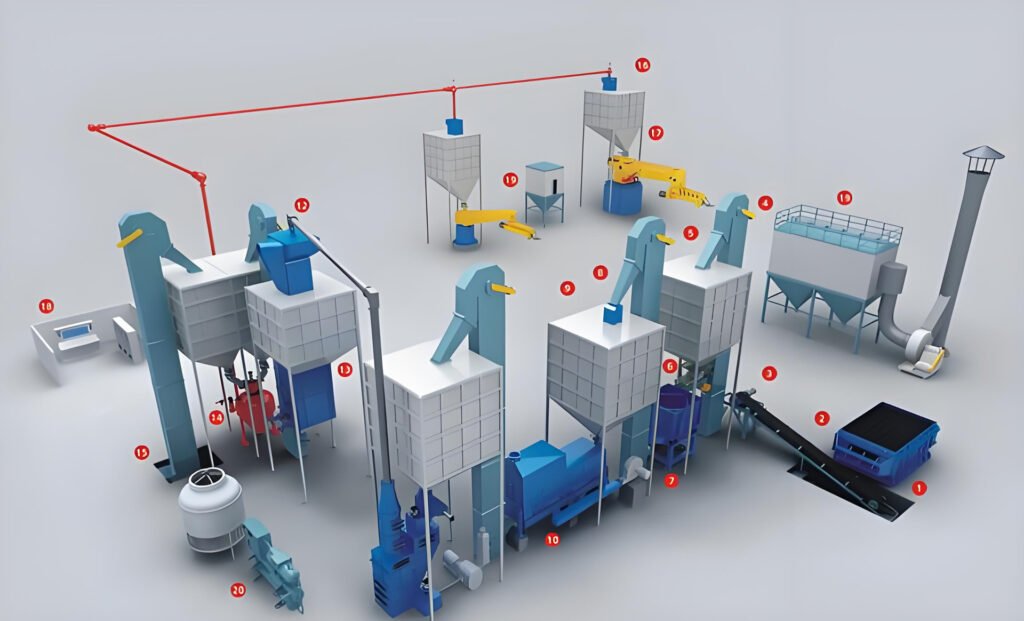
Struggling with effectiveness and profitability of your resin sand molding line?
Optimizing Effectiveness and Profitability in Resin Sand Molding Lines
Resin sand molding lines are critical for producing high-precision castings, but challenges like inefficiency, high operational costs, and quality inconsistencies often hinder profitability.
What Is A Resin Sand Molding Line?
A resin sand molding line is a type of casting process used in foundries to produce high-quality metal castings.
It combines the advantages of traditional sand casting with modern chemical binder systems, specifically resin-based binders, to create more accurate, stronger molds.
How It Works?
- Pattern placed in molding box
- Resin-coated sand is added and compacted
- Sand hardens chemically (no need for baking like green sand)
- Pattern is removed, leaving a precise mold cavity
- Molten metal is poured in
- Casting cools and solidifies
- Mold is broken, casting is removed
- Sand is reclaimed and reused
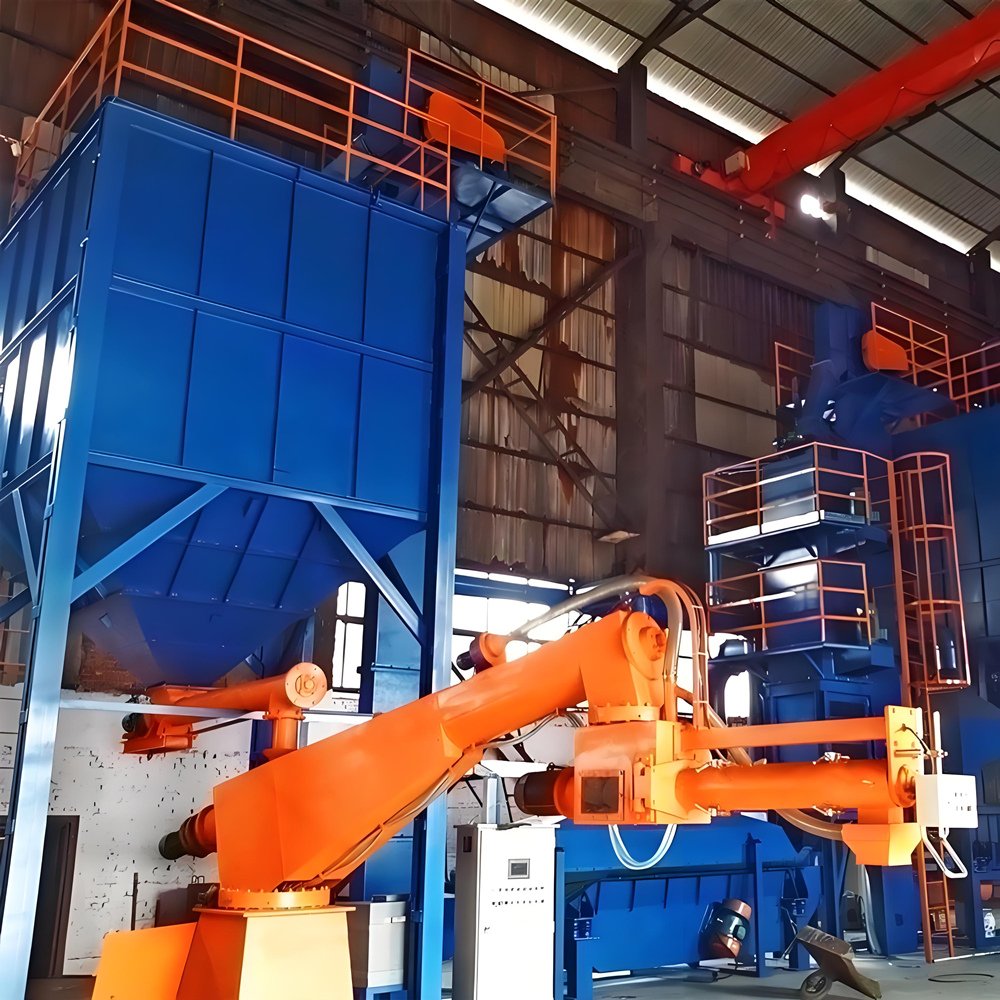
Operational Efficiency Enhancements
Batch Size Optimization:
Use mathematical modeling to determine optimal batch sizes based on order volume and machine capacity. Dynamic scheduling software can reduce idle time by up to 30% .
Sand Recycling Systems:
Implement closed-loop sand regeneration units to reuse 90%+ of spent sand. Advanced thermal regeneration techniques restore sand properties without compromising surface hardness .
Energy Management:
Install regenerative air compressors and heat recovery systems. These measures can cut energy consumption by 20-25% while maintaining casting quality .
Equipment Optimization for Enhanced Efficiency
Vibrational Crushers and Regenerators:
Upgrade to advanced vibratory crushers to break down resin sand blocks efficiently, reducing manual intervention . Pair this with multi-functional regeneration systems that integrate sand breaking, dedusting, and screening, achieving over 85% film removal rates.
Temperature Control:
Install sand temperature regulators to stabilize sand properties, ensuring consistent mold hardness and reducing defects like sand sticking or expansion.
Automated Mixing:
Use dual-arm resin sand mixers for uniform binder distribution, minimizing material waste and improving mold strength.
Automation Integration
Modernize workflows with automated casting lines:
- Robotic Handling: Implement automated mold handling, pouring, and transfer systems to reduce labor costs and human errors.
- Closed-Loop Sand Recycling: Combine pneumatic conveying systems with regeneration units to achieve 95% sand reuse, lowering raw material expenses.
- Real-Time Monitoring: Deploy IoT sensors to track equipment performance and sand quality, enabling predictive maintenance.
Quality Assurance and Cost Control
- Defect Prevention: Optimize mold compaction with multi-head hydraulic presses to eliminate porosity and improve surface finish, reducing post-casting cleanup by 30–50%.
- Magnetic Separation: Integrate suspended magnetic separators to remove iron impurities from recycled sand, enhancing mold integrity.
- Energy Efficiency: Adopt low-noise, high-efficiency equipment (e.g., <85 dB vibratory units) to comply with environmental regulations and reduce energy consumption.
Maintenance and Training
- Regular Servicing: Schedule maintenance for crushers, regeneration units, and conveyors to avoid downtime.
- Staff Training: Train operators on advanced equipment (e.g., PLC-controlled systems) and data-driven process adjustments.
Technical Optimization Strategies
- Automated Production Systems:
Integrate robotic arms and AI-driven quality inspection systems to reduce labor costs and improve precision. For example, automated core shooting and box closing systems can increase output by 20-30% while minimizing defects. - Advanced Resin Formulations:
Develop low-VOC (volatile organic compound) resin systems to meet environmental regulations and reduce waste. Hybrid resins combining phenolic and furan properties offer better thermal stability and lower emission levels. - Real-Time Process Monitoring:
Deploy IoT sensors to track critical parameters like sand temperature, resin ratio, and compaction pressure. Predictive maintenance algorithms can reduce downtime by 15-25% .
Market-Driven Profit Maximization
- Niche Product Development:
Focus on high-margin custom castings for aerospace and automotive industries. Complex geometries requiring resin sand’s superior surface finish command 40-50% premium pricing. - Flexible Production Lines:
Design modular systems capable of switching between small-batch prototyping and mass production. Quick-change tooling systems reduce changeover time by 50% . - Data-Driven Pricing:
Use cost-benefit analysis frameworks to price castings based on resin consumption, energy use, and defect rates. Machine learning models can optimize quoting accuracy by 18-22% .
Sustainability Initiatives
- Emission Control Systems:
Install activated carbon filters and catalytic converters to meet ISO 14001 standards. These systems reduce particulate emissions by 95% while maintaining production efficiency. - Waste Valorization:
Partner with foundries to repurpose spent sand for construction materials. This creates new revenue streams while reducing disposal costs by 30-40%. - Circular Economy Practices:
Develop symbiotic relationships with upstream/downstream industries. For example, using metalworking chips as core additives can reduce raw material costs by 15%.
Conclusion
Maximizing resin sand molding line benefits requires a multi-faceted approach combining technological innovation, operational excellence, and market responsiveness. By adopting smart manufacturing principles, optimizing resource utilization, and aligning with sustainability trends, manufacturers can achieve both profitability and environmental stewardship. Continuous investment in R&D and workforce training remains critical to maintaining competitive advantage in this evolving sector.