
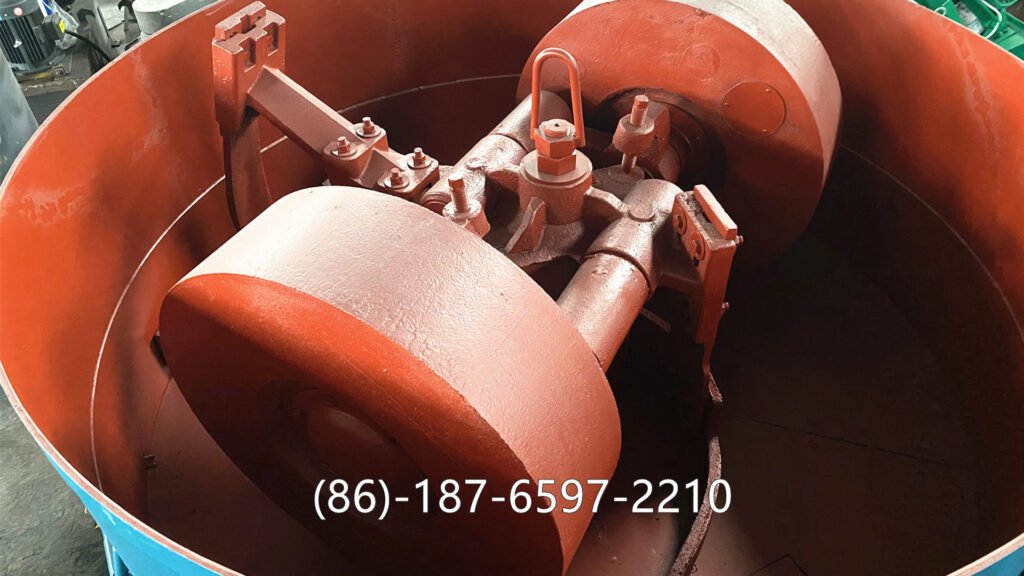
Roller sand mixing machine is a core piece of equipment used in foundries to prepare molding sand with uniform and stable properties. From an engineer’s point of view, its main function is to mix, knead, and homogenize sand with binders and additives so that the sand meets the strength, permeability, and moisture requirements for casting molds.
Roller Sand Mixing Machine Cost Analysis
Purchasing a roller sand mixing machine is not only an equipment investment, but also a long-term decision that directly influences production cost, casting quality, and overall return on investment (ROI).
1. Initial Investment Cost
The initial cost of a roller sand mixing machine mainly includes the machine price, auxiliary devices, installation, and commissioning.
From engineering experience, the purchase price should not be evaluated alone. A machine with a slightly higher price but stable structure, high-quality rollers, and reliable liners usually brings lower failure rates and longer service life. This directly reduces future repair and replacement costs. Therefore, the effective cost per year is a more meaningful indicator than the one-time purchase price.
2. Operating Cost Analysis
2.1 Power Consumption
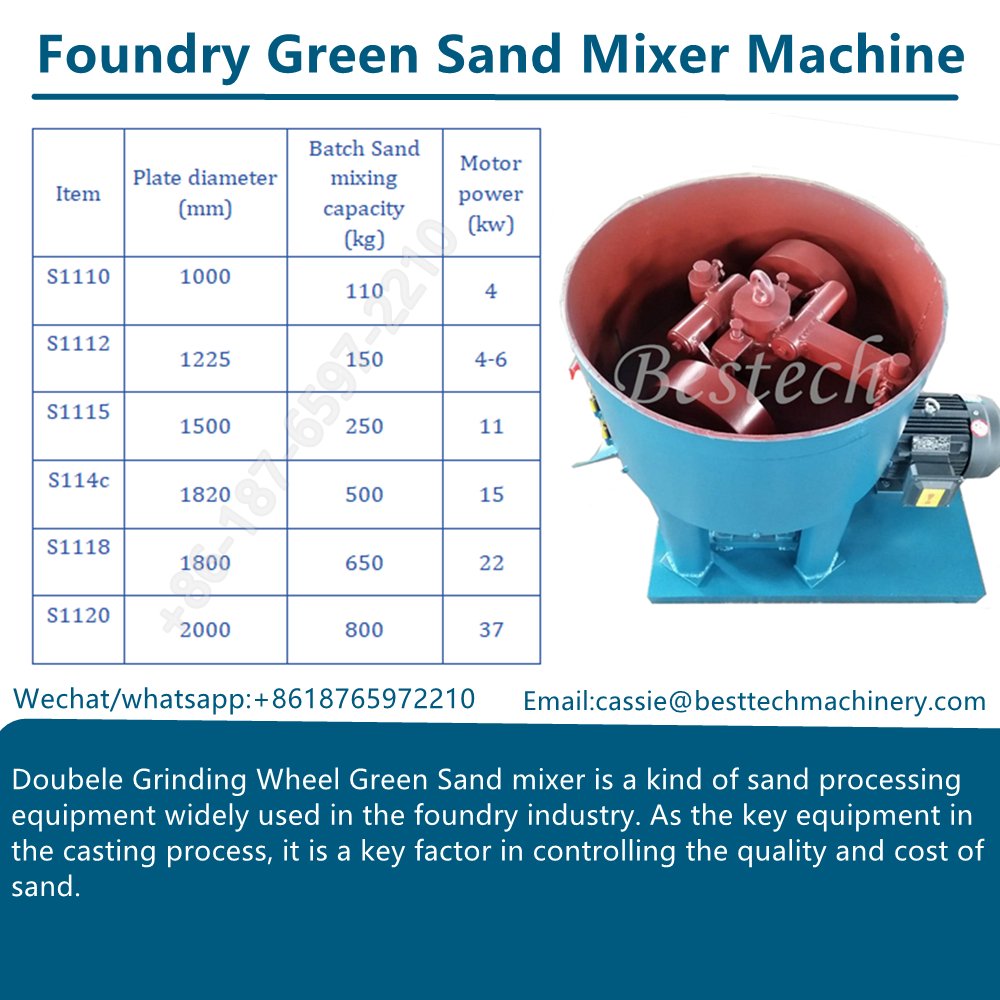
Roller sand mixing machines rely on mechanical rolling and kneading, which is more energy-efficient compared with some high-speed mixing systems. Under normal operating conditions, power consumption remains stable and predictable. Engineers usually recommend matching motor power precisely with production capacity to avoid unnecessary energy waste.
2.2 Sand and Binder Utilization
Good mixing uniformity improves sand quality and binder distribution. In practical foundry operations, this means:
- Lower resin or clay consumption
- Reduced sand scrap rate
- More stable mold strength
Over time, savings in raw materials contribute significantly to ROI improvement.
3. Maintenance and Wear Cost
From an engineer’s perspective, maintenance cost is one of the most underestimated factors.
Rollers, mixing pan liners, scrapers, and discharge gates are typical wear parts. A well-designed roller sand mixing machine uses wear-resistant materials and reasonable structural layout, which:
- Extends maintenance intervals
- Reduces downtime
- Lowers spare parts inventory cost
Simple structure and easy access for maintenance also reduce labor cost during routine inspection and part replacement.
4. Labor Cost and Automation Benefits
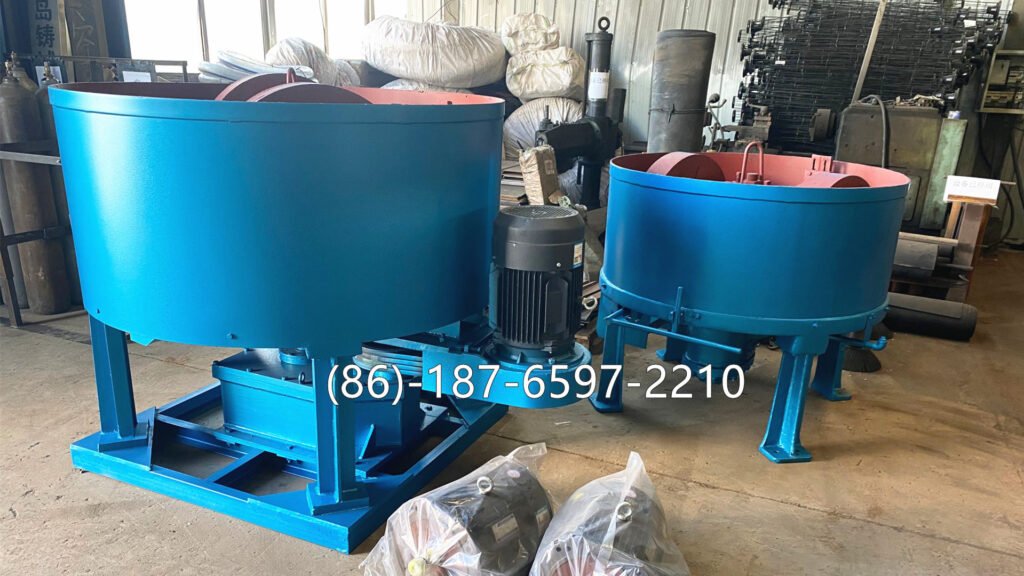
Modern roller sand mixing machines can be integrated with automatic sand feeding, water or resin dosing systems, and PLC control.
This reduces dependence on skilled manual operation and minimizes human error. From a cost analysis view:
- Fewer operators are required
- Production stability is improved
- Rework and scrap caused by inconsistent sand quality are reduced
These hidden savings strongly support long-term ROI growth.
5. Impact on Casting Quality and Rework Cost
Stable sand performance directly affects mold strength, permeability, and surface finish of castings.
From real production experience, improved sand quality leads to:
- Lower casting defect rate
- Reduced rework and scrap
- Higher customer satisfaction
Although these benefits are not directly shown in equipment cost, they have a strong influence on overall profitability.
6. Lifecycle Cost and ROI Evaluation
Engineers often evaluate ROI based on the full lifecycle cost rather than short-term expenses. A roller sand mixing machine with:
- Long service life
- Stable performance
- Low energy and maintenance cost
will usually recover its investment faster and continue to generate value for many years.
Conclusion
Maximizing ROI from a roller sand mixing machine requires a comprehensive cost analysis, not just a focus on purchase price. From an engineer’s viewpoint, factors such as operating efficiency, maintenance cost, material savings, labor reduction, and casting quality improvement are equally important.
By selecting the right roller sand mixing machine and operating it under proper conditions, foundries can achieve lower total cost of ownership and a higher, more sustainable return on investment.