
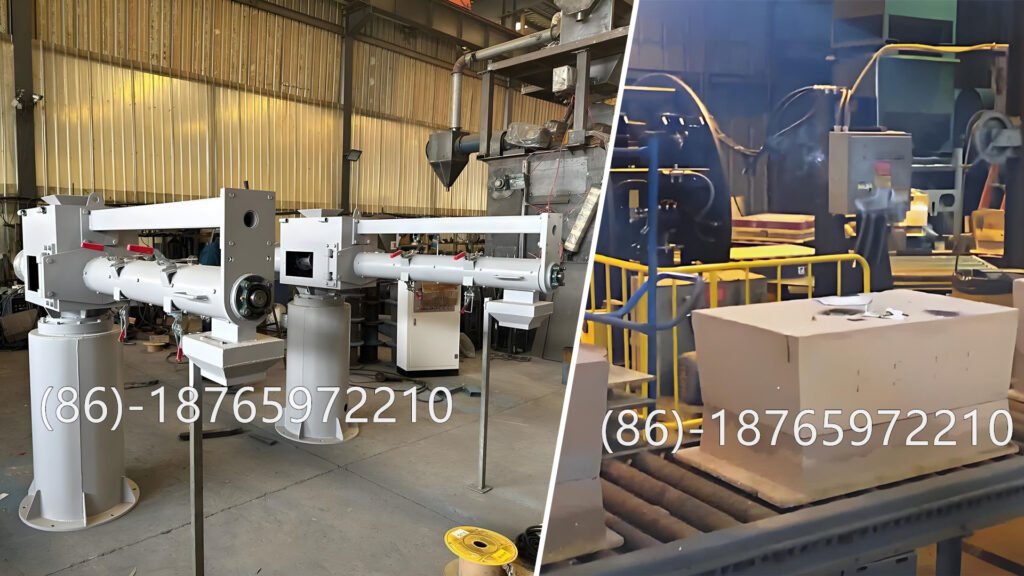
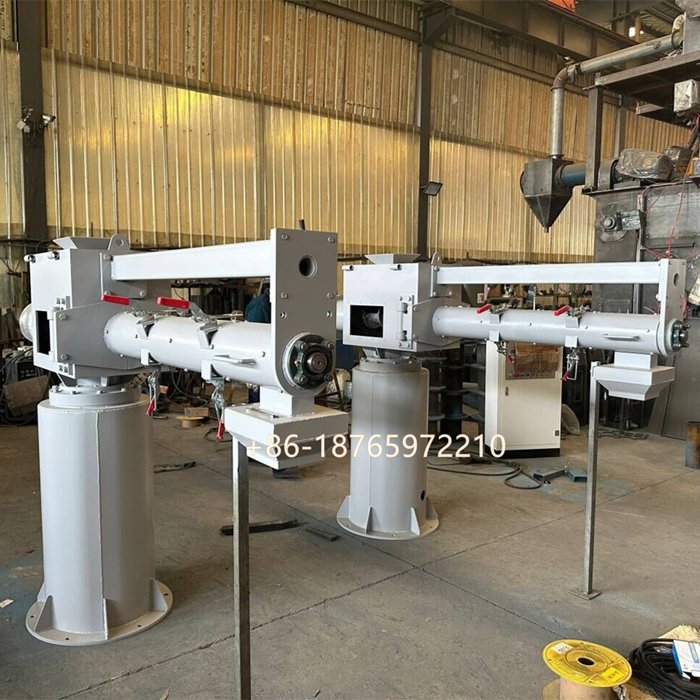
Resin sand mixing machine is a mechanical mixer designed to blend silica sand (or other base sands) with liquid resin and hardener to produce resin-bonded sand. This sand is used for making molds and cores that shape molten metal during casting.
In any foundry, the resin sand mixing machine plays a vital role in preparing high-quality molding sand. However, this process involves handling chemical binders, moving mechanical parts, and high-speed mixing — all of which require strict safety measures. Ensuring operator safety not only protects personnel but also maintains consistent production efficiency and equipment longevity.
Resin Sand Mixing Machine Proper Safety Measures and Equipment
1. Personal Protective Equipment (PPE)
Operators should always wear suitable PPE during resin sand mixing operations:
- Protective gloves – to prevent contact with resin and hardeners.
- Safety goggles or face shields – to protect against splashes of liquid resin or sand dust.
- Respirators or dust masks – to avoid inhaling fine sand particles or fumes from curing agents.
- Protective clothing and safety shoes – to prevent chemical exposure and injuries from falling materials.
PPE should be checked regularly for wear and replaced as needed.
2. Ventilation and Dust Contro
The mixing area must be equipped with effective ventilation systems and dust collectors to maintain a clean air environment. Resin fumes and fine dust generated during mixing can be hazardous if inhaled over time.
- Local exhaust ventilation should be installed near the mixing head.
- Regular cleaning of filters and ducts prevents blockage and ensures air quality.
3. Machine Safety and Maintenanc
The resin sand mixer contains rotating blades, mechanical arms, and hydraulic components.
- Safety guards must always be in place to prevent accidental contact with moving parts.
- Emergency stop buttons should be easily accessible.
- Perform routine maintenance and lubrication to avoid mechanical failure.
- Inspect electrical systems for loose wires or damaged insulation.
Proper preventive maintenance minimizes downtime and reduces accident risks.
4. Chemical Handling Precautions
Resin, hardener, and catalyst materials must be handled with care:
- Store chemicals in labeled, sealed containers away from direct sunlight.
- Use automatic dosing systems whenever possible to limit manual contact.
- In case of spills, use absorbent materials and follow chemical safety procedures.
- Train all operators in Material Safety Data Sheet (MSDS) requirements.
5. Safe Operating Procedures
Before starting the machine:
- Ensure the mixing chamber is empty and all fasteners are tight.
- Verify the sand supply and chemical ratio settings are correct.
During operation: - Never reach into the mixer while it is running.
- Monitor temperature, viscosity, and noise levels for any abnormal signs.
After mixing: - Clean the mixer using recommended methods to prevent resin buildup.
6. Emergency Preparedness
Every foundry should have a clear emergency response plan.
- Fire extinguishers and spill kits must be available near the mixing area.
- Operators should know the location of emergency exits and first-aid kits.
- Conduct regular safety drills to ensure everyone knows how to respond quickly in case of chemical leaks or fires.
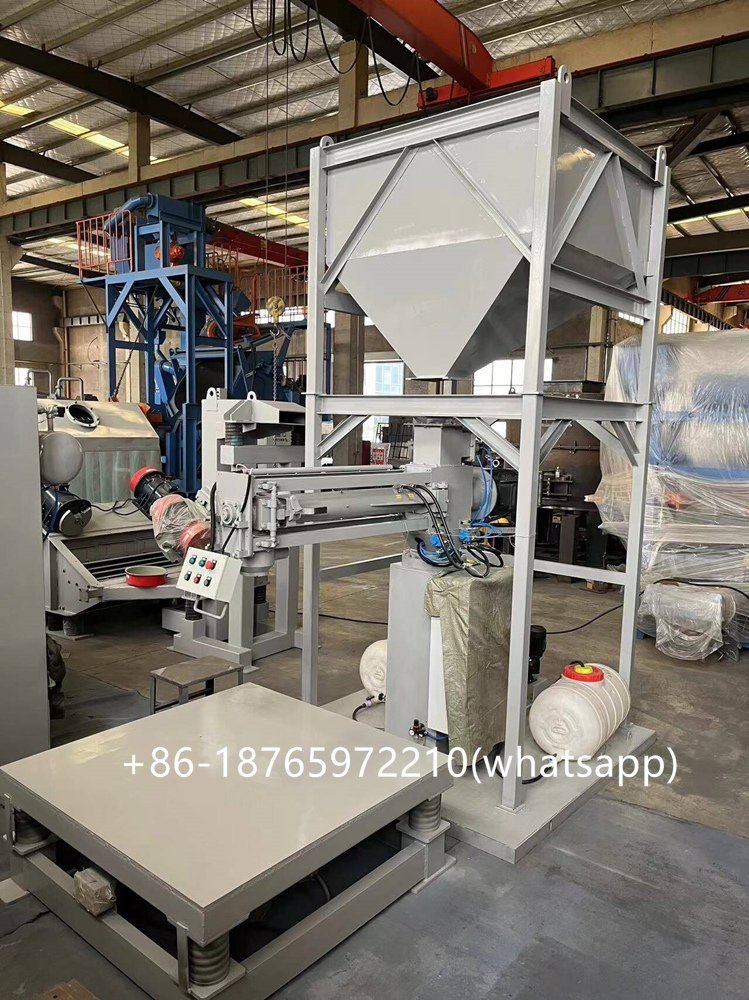
Why Choose a Resin Sand Mixing Machine for Your Foundry
In modern foundry production, achieving precision, strength, and surface quality in castings depends heavily on the quality of molding sand. Traditional green sand processes can no longer meet the growing demands for complex castings and tighter tolerances. That’s where the resin sand mixing machine comes in — a reliable solution that combines consistency, efficiency, and control.
1. Consistent and High-Quality Sand Mixture
The biggest advantage of a resin sand mixing machine is its ability to deliver uniform sand coating.
Automatic dosing systems accurately measure resin and hardener, ensuring every grain of sand is evenly coated. This results in:
- High mold strength and dimensional accuracy
- Smooth surface finish on castings
- Reduced gas defects and casting rework
With precise mixing, the machine eliminates the inconsistencies common in manual or older mixing systems.
2. Improved Production Efficiency
In a busy foundry, time and reliability are everything.
A resin sand mixer works quickly and continuously, allowing operators to prepare large batches of mold sand in minutes.
- High-speed mixing blades shorten preparation time.
- Continuous mixing systems supply sand directly to molding stations.
- Automatic cleaning and discharge reduce downtime between batches.
This results in smoother workflow and higher overall production rates.
3. Reduced Material Waste
Manual mixing often leads to overuse of resin or sand due to uneven ratios.
Modern resin sand mixers use automated proportioning controls that precisely regulate resin and hardener usage. This not only saves materials but also cuts down on operating costs.
Less waste means a cleaner environment and more sustainable operation.
4. Greater Flexibility for Different Casting Needs
Resin sand mixing machines can handle various sand types, resin formulations, and mixing ratios.
Whether producing steel castings, iron parts, or non-ferrous components, operators can easily adjust the mix settings to suit each project’s requirements.
This flexibility allows foundries to serve diverse customers with minimal setup changes.
5. Safe and Environmentally Friendly Operation
Modern resin sand mixers are designed with safety and environmental protection in mind:
- Fully enclosed mixing chambers minimize dust and odor emissions.
- Advanced ventilation systems maintain clean working conditions.
- Safety interlocks and emergency stops prevent accidents.
Combined with proper PPE and maintenance, they provide a safer workplace for foundry workers.
6. Long-Term Cost Savings
Though the initial investment may seem high, a resin sand mixing machine quickly pays for itself.
- Less chemical waste and energy use
- Reduced labor costs
- Lower scrap and defect rates
Over time, these factors contribute to significant cost savings and higher profitability for the foundry.
Choosing a resin sand mixing machine is more than upgrading equipment — it’s investing in the future of foundry operations.
With its precision mixing, efficiency, flexibility, and environmental benefits, the machine helps foundries achieve stable quality, faster production, and a safer working environment.
In today’s competitive casting industry, the foundries that adapt with advanced resin sand mixing technology will lead the way in performance and quality.
Conclusion
Safety in resin sand mixing operations is not just about compliance — it’s about protecting people, maintaining stable production, and ensuring long-term equipment reliability. By combining proper PPE, ventilation, regular maintenance, and disciplined operating habits, foundries can achieve a safe and efficient working environment.