
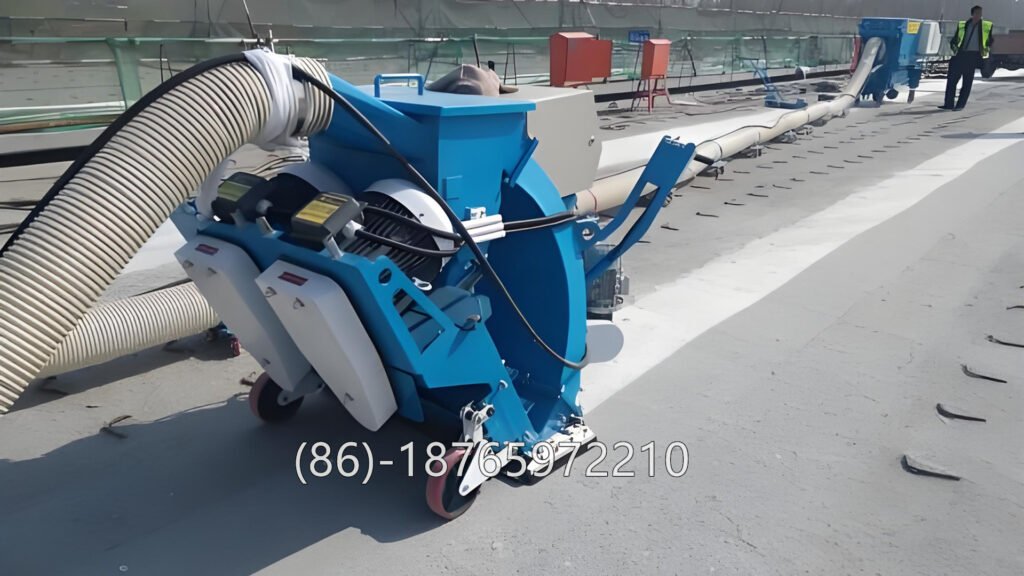
In modern surface preparation industries, the Floor Shot Blasting Machine is widely used for cleaning and roughening concrete floors, steel plates, bridge decks, and industrial surfaces.
This equipment works by projecting high-speed steel shots onto the surface to remove rust, coatings, and contaminants. The process provides excellent cleaning efficiency and surface roughness required for coatings or flooring systems.
However, due to the high-speed blasting process and mechanical operation, improper use of a floor shot blasting machine may lead to safety risks such as dust exposure, flying abrasives, or mechanical injuries.
Therefore, understanding proper safety precautions and operational best practices is essential for maintaining a safe working environment and ensuring reliable machine performance.
1 Basic Working Principle of Floor Shot Blasting Machine
A Floor Shot Blasting Machine uses a centrifugal blasting wheel to accelerate steel shots onto the working surface.
The blasting process includes the following steps:
- Steel shots are fed into the blasting wheel.
- The rotating impeller accelerates the shots to high velocity.
- Abrasives impact the surface to remove rust, paint, or contaminants.
- Used shots and dust are collected through a vacuum recovery system.
- The steel shots are separated and reused.
This process creates a uniform and clean surface suitable for coatings and surface treatment.
The surface cleanliness level is often evaluated according to standards such as:
- ISO 8501-1
- SSPC
These standards define the required cleanliness level for industrial coating applications.
2 Main Safety Hazards in Shot Blasting Operations
Although floor shot blasting machines are designed with safety features, several hazards must be considered during operation.
Common risks include:
High-Speed Abrasive Projection
Steel shots are projected at high speed. If the blasting chamber or seals are damaged, abrasives may escape and cause injuries.
Dust and Fine Particle Exposure
During blasting operations, dust particles can be generated from concrete or coating materials.
Without proper dust collection, these particles may affect operator health.
Mechanical Hazards
Rotating components such as:
- blasting wheels
- drive motors
- conveyors
may cause injury if protective covers are removed during operation.
Electrical Risks
Industrial blasting machines operate with high-power motors and control systems. Improper electrical maintenance may create safety hazards.
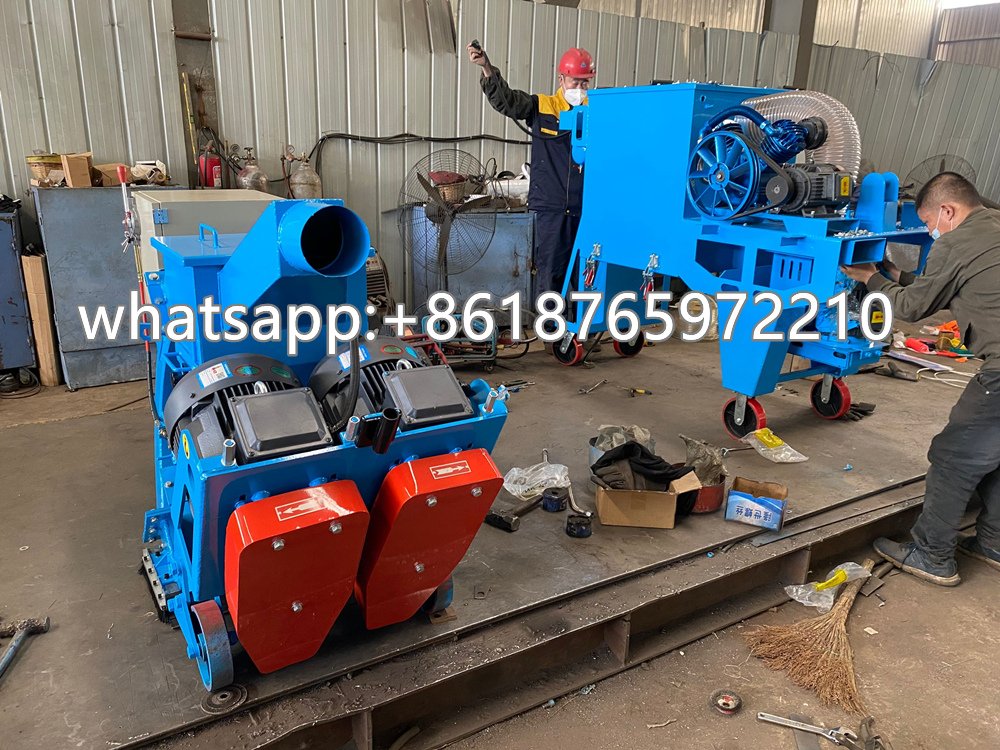
3 Personal Protective Equipment (PPE)
Operators must always wear appropriate personal protective equipment when using a floor shot blasting machine.
Recommended PPE includes:
- safety helmet
- protective goggles
- dust respirator or mask
- industrial ear protection
- steel-toe safety shoes
- protective gloves
Proper PPE significantly reduces the risk of injury and improves workplace safety.
Workplace safety guidelines recommended by organizations such as the Occupational Safety and Health Administration emphasize the importance of protective equipment in industrial environments.
4 Pre-Operation Inspection
Before starting the machine, operators should conduct a routine safety inspection.
Key inspection points include:
Check Blasting Wheel Condition
Ensure the blasting wheel and blades are not excessively worn. Worn blades may cause uneven blasting and equipment vibration.
Inspect Sealing Components
Check rubber seals and protective liners to prevent abrasive leakage during operation.
Inspect Dust Collection System
The dust collector should be functioning properly to maintain good air quality and prevent dust accumulation.
Check Electrical Control System
Verify that:
- emergency stop switches function correctly
- control panel indicators operate normally
- cables are not damaged
Routine inspection reduces unexpected equipment failures.
5 Safe Operating Procedures
Following correct operating procedures is essential for safe and efficient operation.
Start-Up Procedure
Operators should follow the standard startup sequence:
- Start the dust collector system
- Start the shot blasting machine
- Gradually feed steel shot into the blasting system
- Begin blasting operation
Starting the dust collector first ensures proper dust removal during blasting.
Maintain Proper Walking Speed
For walk-behind floor shot blasting machines, maintaining consistent walking speed ensures uniform surface treatment.
Typical walking speed:
1–3 meters per minute
Avoid Overloading the Machine
Excessive abrasive feeding or overly thick coatings may overload the blasting system.
Operators should adjust blasting parameters according to surface conditions.
6 Typical Technical Parameters
The technical parameters of floor shot blasting machines vary depending on machine model and application.
Typical specifications may include:
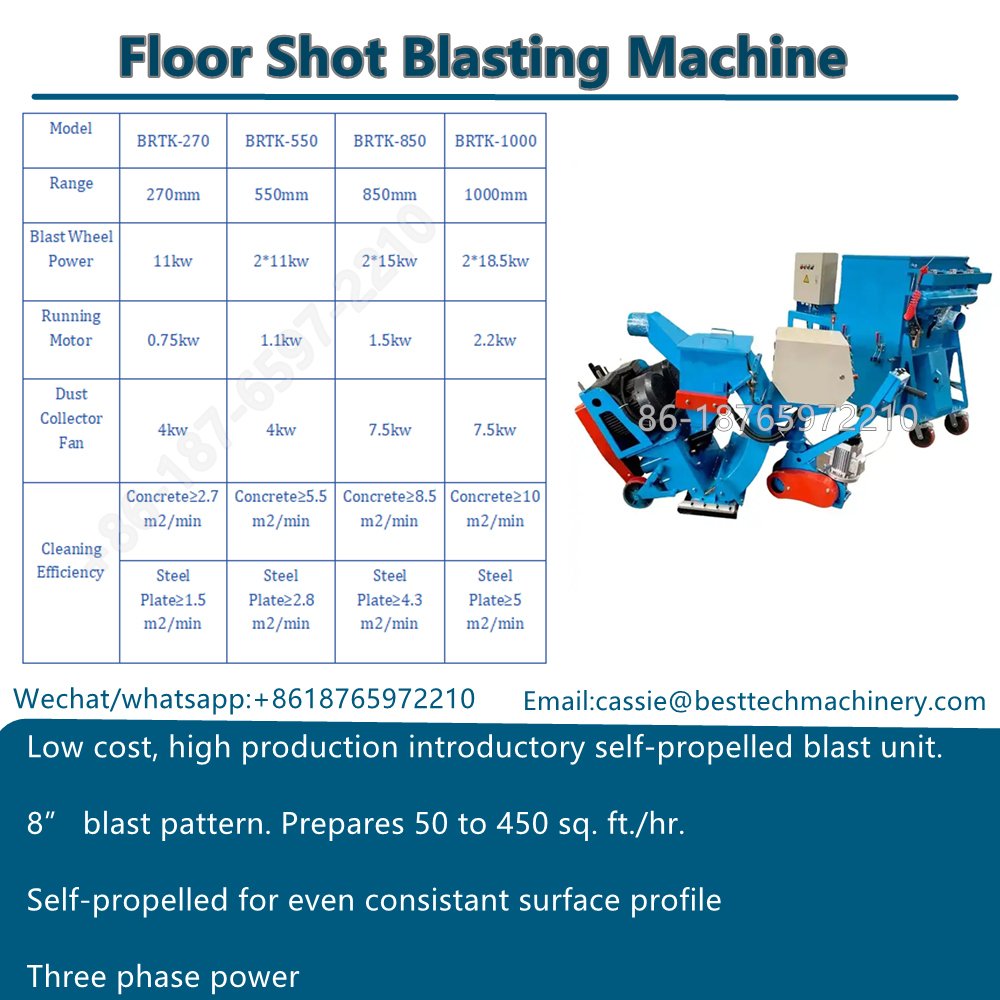
These parameters allow efficient cleaning of concrete floors and steel surfaces.
7 Maintenance Best Practices
Regular maintenance ensures long service life and stable equipment performance.
Recommended maintenance practices include:
Daily Maintenance
- clean abrasive recycling system
- inspect blasting wheel components
- check dust collector operation
Weekly Maintenance
- inspect wear parts such as blades and liners
- check drive belts and bearings
- clean filters in the dust collection system
Monthly Maintenance
- inspect electrical control cabinet
- check shot separation system
- replace worn blasting components
Preventive maintenance helps avoid unexpected machine failures.
8 Operator Training and Safety Awareness
Proper training is essential for safe operation of shot blasting equipment.
Operators should understand:
- machine operating principles
- emergency shutdown procedures
- equipment maintenance methods
- workplace safety regulations
Well-trained operators can significantly reduce operational risks and improve productivity.
Conclusion
The Floor Shot Blasting Machine is an efficient and widely used solution for surface preparation in industrial environments. However, due to the high-speed blasting process and mechanical operation, strict safety precautions must be followed.
By implementing proper safety procedures, regular equipment inspections, and effective maintenance practices, operators can ensure safe working conditions and maintain optimal machine performance.
Following industry standards and best operational practices not only improves workplace safety but also enhances the efficiency and reliability of floor shot blasting operations.