
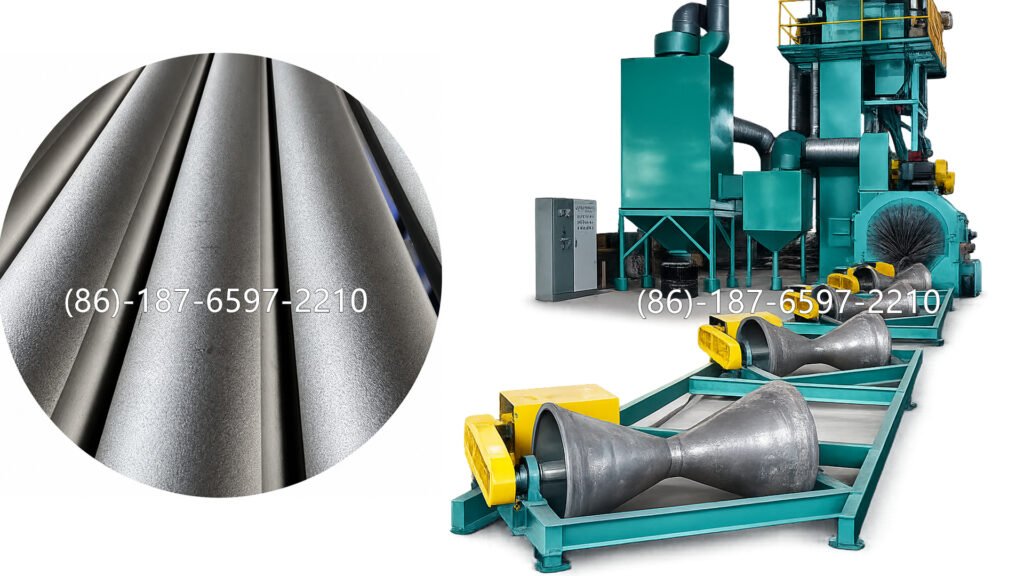
Steel Pipe External Wall Shot Blasting Machine: The Ultimate Guide for Industrial Rust Removal
Steel pipes used in oil & gas, construction, offshore engineering, water transmission, wind power, and structural fabrication must undergo proper surface preparation before painting, galvanizing, or anti-corrosion coating.
Manual grinding and chemical cleaning are no longer sufficient for modern production. Manufacturers today demand higher throughput, consistent surface quality, lower operating costs, and environmental compliance.
That’s why more factories are investing in an Automatic Steel Pipe External Wall Shot Blasting Machine—a solution designed to remove rust, mill scale, welding slag, and oxidation while producing an ideal anchor profile for long-lasting coatings.
If you’re considering purchasing one, this guide explains everything you need to know—from working principles and technical specifications to buying tips and ROI calculations.
What Is a Steel Pipe External Wall Shot Blasting Machine?
Steel Pipe External Wall Shot Blasting Machine is an automated surface treatment system that propels high-speed steel abrasives onto rotating steel pipes to clean and roughen their outer surfaces.
Unlike manual sandblasting, the process is:
- Fully automatic
- Highly repeatable
- Environmentally friendly
- Low abrasive consumption
- Suitable for continuous production
The cleaned surface typically reaches Sa2.5 to Sa3 according to ISO 8501-1, providing an excellent foundation for painting, powder coating, epoxy coating, FBE, PE, or galvanizing.

Why Surface Preparation Matters
Studies consistently show that more than 70% of premature coating failures originate from inadequate surface preparation rather than coating defects. Proper blasting removes contaminants and creates a controlled surface profile that significantly improves coating adhesion and service life.
According to ISO 8501-1 and guidance from coating industry standards, achieving the correct cleanliness grade before coating is essential for corrosion protection in demanding environments.
Working Principle
The production process is fully automated:
Loading Pipes
      ↓
Roller Conveyor
      ↓
Pipe Rotation
      ↓
High-Speed Shot Blasting
      ↓
Rust & Scale Removal
      ↓
Dust Collection
      ↓
Steel Shot Recycling
      ↓
Finished Clean Pipe
During blasting:
- The pipe rotates continuously.
- Roller conveyors move the pipe forward.
- Multiple blasting turbines strike every side.
- Dust is extracted immediately.
- Steel shots are recycled automatically.
This creates 360° uniform cleaning without dead zones.
Main Components
A complete machine generally includes:
✔ Shot Blasting Chamber
Constructed with wear-resistant manganese steel liners for long service life.
✔ Blast Wheels
High-efficiency turbines accelerate steel shot to approximately 70–80 m/s, providing powerful cleaning performance.
✔ Roller Conveyor
Variable-speed rollers transport and rotate pipes automatically.
✔ Abrasive Recovery System
Recovers more than 95% of reusable steel shot, reducing consumable costs.
✔ Air Wash Separator
Separates usable shot from dust and broken media.
✔ Dust Collector
Maintains a clean working environment while meeting modern environmental requirements.
✔ PLC Control System
Supports automatic production with touchscreen operation and adjustable blasting parameters.
Typical Technical Specifications
| Item | Typical Value |
|---|---|
| Pipe Diameter | Ø60–Ø1600 mm |
| Pipe Length | 3–12 m |
| Conveyor Speed | 0.5–6 m/min |
| Blast Wheels | 4–8 Units |
| Blast Wheel Power | 11–22 kW each |
| Abrasive Flow Rate | 180–250 kg/min per wheel |
| Cleaning Grade | Sa2.5–Sa3 |
| Surface Roughness | 40–100 μm |
| Dust Collector Efficiency | ≥99% |
| Shot Recycling Rate | ≥95% |
Specifications can be customized according to production requirements.
Advantages Over Traditional Cleaning Methods
| Traditional Grinding | Shot Blasting |
|---|---|
| Slow | High-speed continuous cleaning |
| Uneven finish | Uniform surface profile |
| Labor intensive | Fully automatic |
| High labor cost | Lower operating cost |
| Difficult for large pipes | Ideal for long steel pipes |
| Poor coating adhesion | Excellent coating adhesion |
Applications
The machine is widely used in:
- Oil & gas pipelines
- Water transmission pipes
- Spiral welded pipes
- Seamless steel pipes
- Wind tower tubes
- Offshore engineering
- Structural steel fabrication
- Bridge construction
- Pressure vessels
- Shipbuilding
Surface Quality Achieved
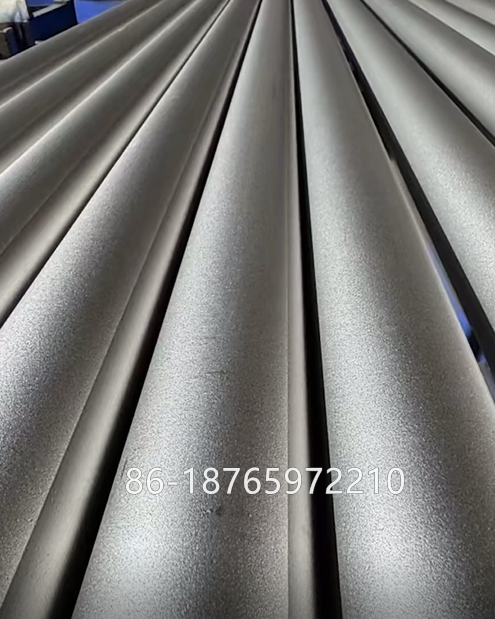
A properly adjusted machine can achieve:
- Sa2.5 Surface Cleanliness
- Sa3 White Metal Cleaning
- Uniform Anchor Profile
- Complete Rust Removal
- Complete Mill Scale Removal
- Removal of Welding Oxides
This dramatically improves paint adhesion and coating lifespan.
International Standards Supported
Professional pipe shot blasting equipment is designed to help manufacturers meet internationally recognized surface preparation requirements.
| Standard | Description |
|---|---|
| ISO 8501-1 | Visual assessment of steel surface cleanliness before coating |
| ISO 8503 | Surface roughness characteristics |
| ISO 11124 | Metallic blast-cleaning abrasives |
| SSPC-SP10 / NACE No.2 | Near-White Metal Blast Cleaning |
| SSPC-SP5 / NACE No.1 | White Metal Blast Cleaning |
| ASTM D4417 | Measurement of blast-cleaned surface profile |
Meeting these standards is particularly important for industries such as oil & gas, marine engineering, and infrastructure, where coating performance directly affects asset service life.
How to Choose the Right Steel Pipe Shot Blasting Machine
Before investing, evaluate these factors:
1. Pipe Size
Confirm:
- Diameter range
- Length
- Maximum weight
A wider processing range increases flexibility.
2. Production Capacity
Consider:
- Pipes per hour
- Annual production volume
- Future expansion plans
Avoid selecting a machine that becomes a bottleneck.
3. Blast Wheel Quantity
More blast wheels provide:
- Faster cleaning
- Better coverage
- Higher productivity
However, they also increase power consumption.
4. Automation Level
Modern systems may include:
- Automatic loading
- Automatic unloading
- Pipe centering
- Diameter detection
- Touchscreen PLC
- Remote diagnostics
Automation reduces labor costs while improving consistency.
5. Dust Collection Performance
Efficient filtration improves:
- Workshop cleanliness
- Operator safety
- Environmental compliance
- Equipment lifespan
Return on Investment (ROI)
Although the initial investment is higher than manual methods, many manufacturers recover the cost through:
- Reduced labor requirements
- Lower abrasive consumption
- Higher throughput
- Improved coating quality
- Reduced rework
- Lower maintenance costs
For medium to high-volume production, the payback period is often measured in months rather than years, depending on operating hours and labor costs.
Daily Maintenance Checklist
To maintain peak performance:
- Inspect blast wheel blades
- Check abrasive level
- Clean dust filters
- Lubricate bearings
- Inspect liners
- Verify conveyor alignment
- Monitor separator efficiency
- Remove broken abrasive regularly
Preventive maintenance extends equipment life and minimizes downtime.
Frequently Asked Questions
Can one machine handle different pipe diameters?
Yes. Most systems feature adjustable rollers and can accommodate a wide diameter range through mechanical adjustments or automated controls.
What cleaning grade can it achieve?
Typical performance reaches Sa2.5, with Sa3 achievable when required by the coating specification and process settings.
What abrasive is commonly used?
High-carbon cast steel shot, steel grit, or mixed media selected according to the required surface finish and production application.
Is it suitable for continuous production?
Yes. Roller conveyor systems are specifically designed for continuous, high-volume pipe processing.
Can the machine integrate with a coating line?
Absolutely. Many manufacturers connect shot blasting equipment directly to painting, FBE, PE coating, or drying lines for a fully automated production process.

Why Choose an Experienced Manufacturer?
A reliable supplier delivers more than just equipment. Look for a partner that offers:
- Customized engineering solutions
- Durable wear-resistant components
- High-efficiency blast wheel technology
- Energy-saving system design
- International installation support
- Operator training
- Readily available spare parts
- Responsive after-sales service
- Long-term technical assistance
The right supplier helps reduce lifecycle costs while maximizing equipment uptime.
Conclusion
An Automatic Steel Pipe External Wall Shot Blasting Machine is a strategic investment for manufacturers seeking consistent surface quality, improved coating performance, and higher production efficiency. By automating rust and scale removal, these systems reduce labor dependence, increase throughput, and help meet internationally recognized surface preparation standards.
Whether your operation serves pipeline manufacturing, structural steel fabrication, offshore engineering, or pressure vessel production, selecting equipment with the right capacity, automation level, and support services can deliver substantial long-term value.
Request a Customized Solution?
Planning to upgrade your pipe surface preparation line? Our engineering team can recommend the most suitable solution based on your production requirements.
Simply send us:
- Pipe diameter range (Min.–Max.)
- Pipe length
- Material type
- Required cleaning grade (Sa2.5 / Sa3)
- Production capacity (pipes/hour or tons/day)
- Existing production line details
- Country of installation
- Voltage and power supply
We will provide:
- ✔ Customized machine proposal
- ✔ Technical layout drawing
- ✔ Equipment configuration comparison
- ✔ Estimated production capacity
- ✔ Energy consumption analysis
- ✔ Competitive factory quotation
- ✔ Delivery schedule
- ✔ Installation & commissioning support
- ✔ Lifetime technical service
Contact us today to receive a customized steel pipe shot blasting solution that improves productivity, coating quality, and long-term operating efficiency.