
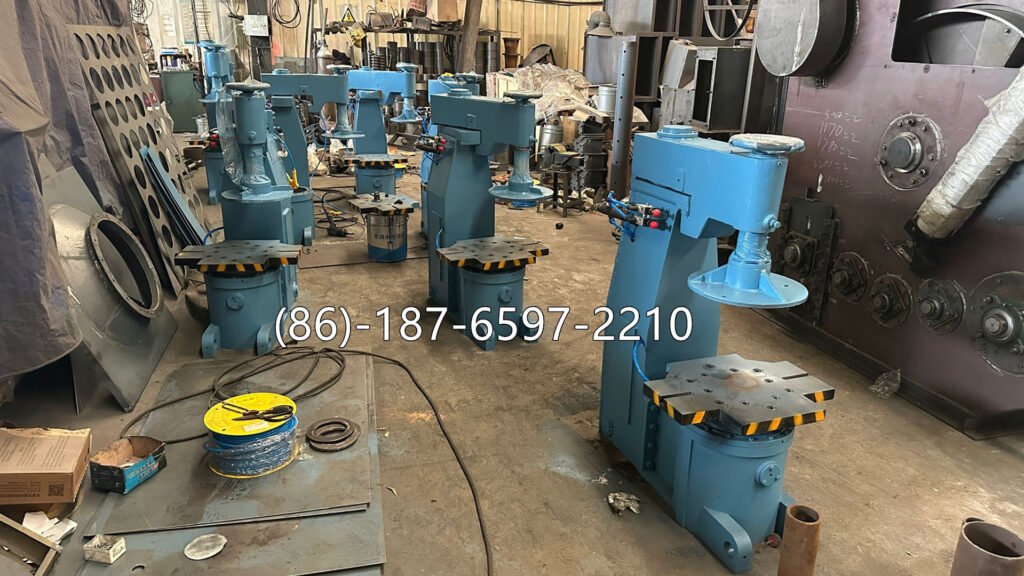
Selecting a suitable jolt squeeze sand molding machine is not simply a matter of price or brand. It requires a clear understanding of production requirements, casting characteristics, and long-term operating conditions.
Jolt squeeze sand molding machine is a traditional foundry machine used to produce sand molds for metal casting, especially for gray iron, ductile iron, and non-ferrous castings. It forms strong and uniform molds by combining two mechanical actions: jolting and squeezing.
Key Points For Consideration
1. Understand Your Casting Requirements Clearly
Before choosing a jolt squeeze molding machine, engineers must first analyze the type of castings to be produced. Important factors include casting weight, size, complexity, and dimensional accuracy requirements.
For medium and small iron castings with relatively simple structures, a standard jolt squeeze machine is usually sufficient. However, for castings requiring higher surface finish and compaction uniformity, a machine with adjustable jolt and squeeze parameters is recommended.
2. Evaluate Mold Compaction Quality
The core advantage of a jolt squeeze sand molding machine lies in its mold compaction method. The jolt action ensures sand density at the lower part of the mold, while the squeeze action improves compaction on the upper surface.
When selecting equipment, attention should be paid to jolt frequency, squeeze pressure, and overall compaction uniformity. Stable and repeatable compaction performance directly affects casting quality and reduces defects such as sand collapse or poor surface finish.
3. Match Machine Capacity with Production Output
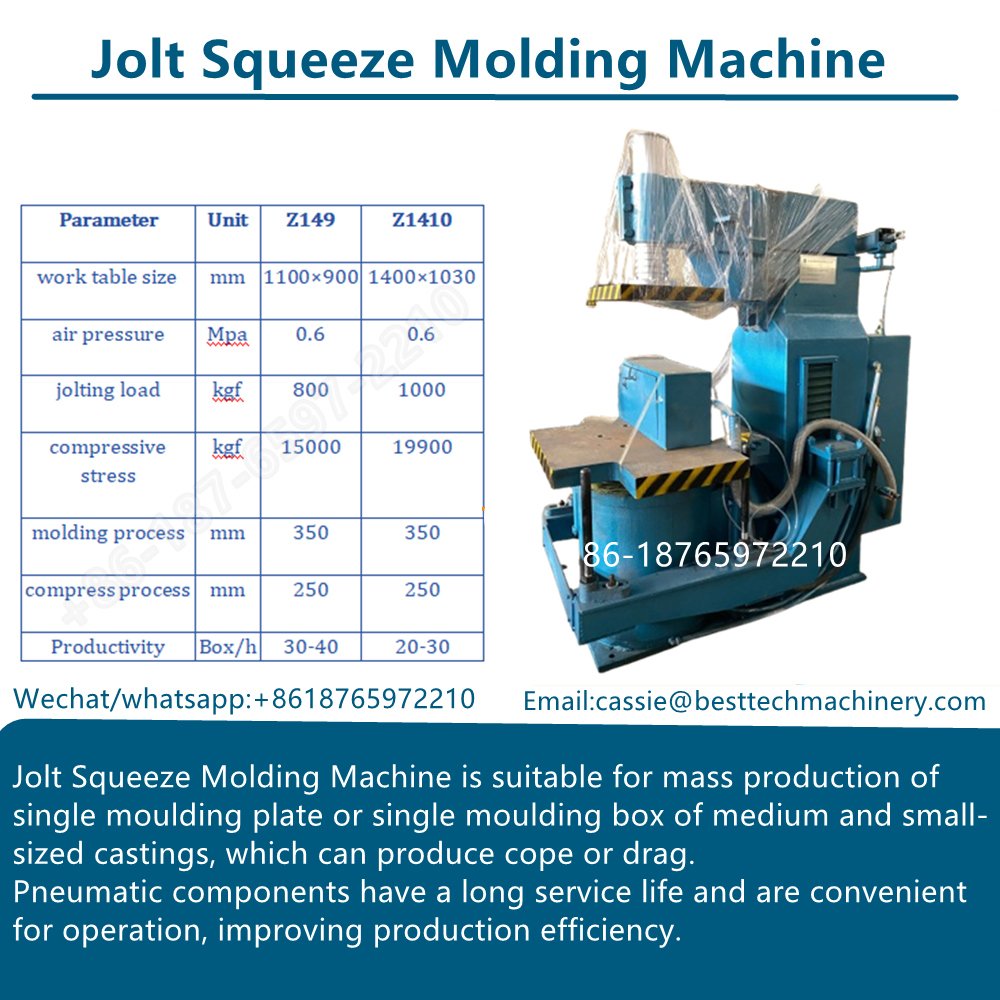
Production capacity is a critical selection criterion. Engineers should estimate daily and hourly output requirements and select a machine with appropriate molding speed and table size.
Choosing an oversized machine leads to unnecessary investment and energy consumption, while an undersized machine may become a production bottleneck. A well-matched capacity ensures efficient operation and better cost control.
4. Consider Ease of Operation and Maintenance
From a workshop engineer’s perspective, simple operation and convenient maintenance are extremely important. Machines with clear control systems, reliable hydraulic or pneumatic components, and easy mold box positioning can significantly reduce operator training time.
In addition, the availability of spare parts and the simplicity of routine maintenance should be evaluated to minimize downtime.
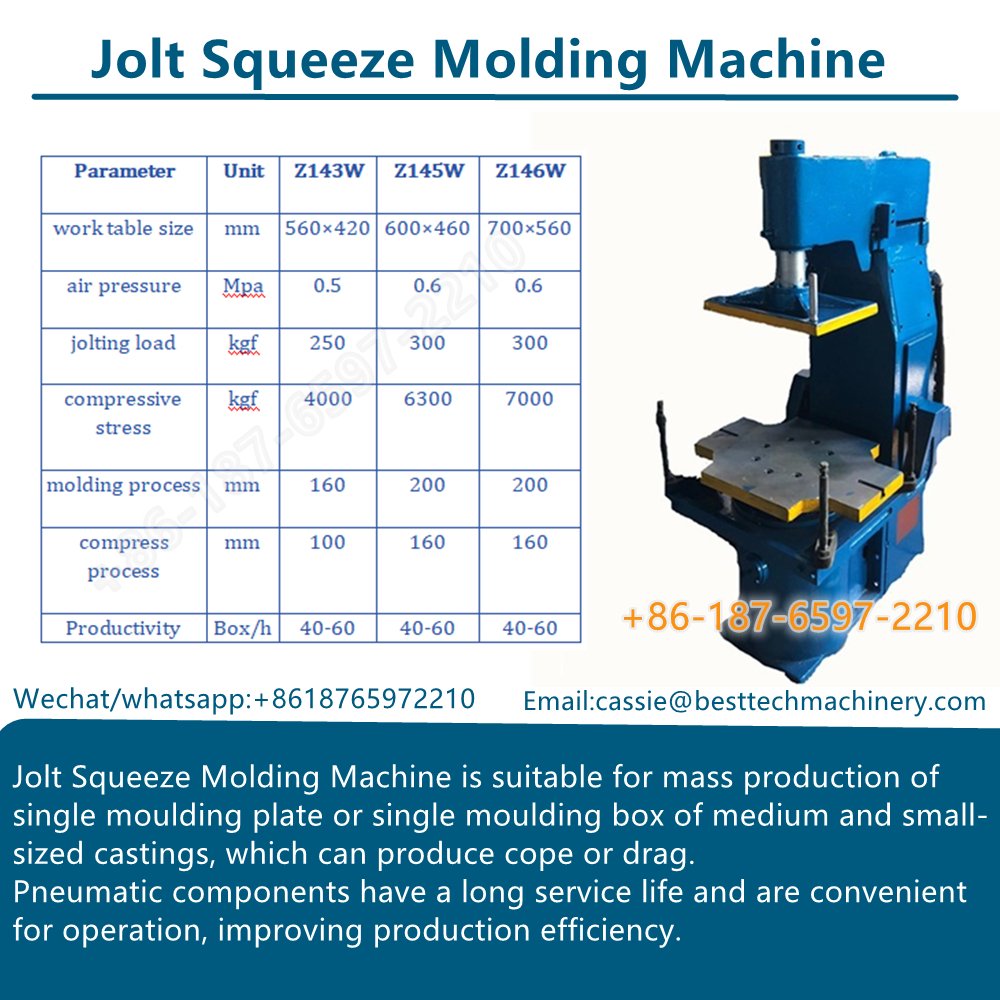
5. Pay Attention to Structural Strength and Stability
The machine frame, jolt mechanism, and squeeze cylinder must have sufficient strength and rigidity. A robust structure ensures stable operation during high-frequency jolting and long-term use.
Engineers should check welding quality, material thickness, and overall machine design to ensure durability and consistent molding accuracy.
6. Energy Consumption and Environmental Considerations
Modern foundries increasingly focus on energy efficiency and environmental protection. Selecting a jolt squeeze sand molding machine with optimized air or hydraulic systems can reduce energy consumption and noise levels.
Low vibration transmission to the foundation also improves workshop working conditions and equipment lifespan.
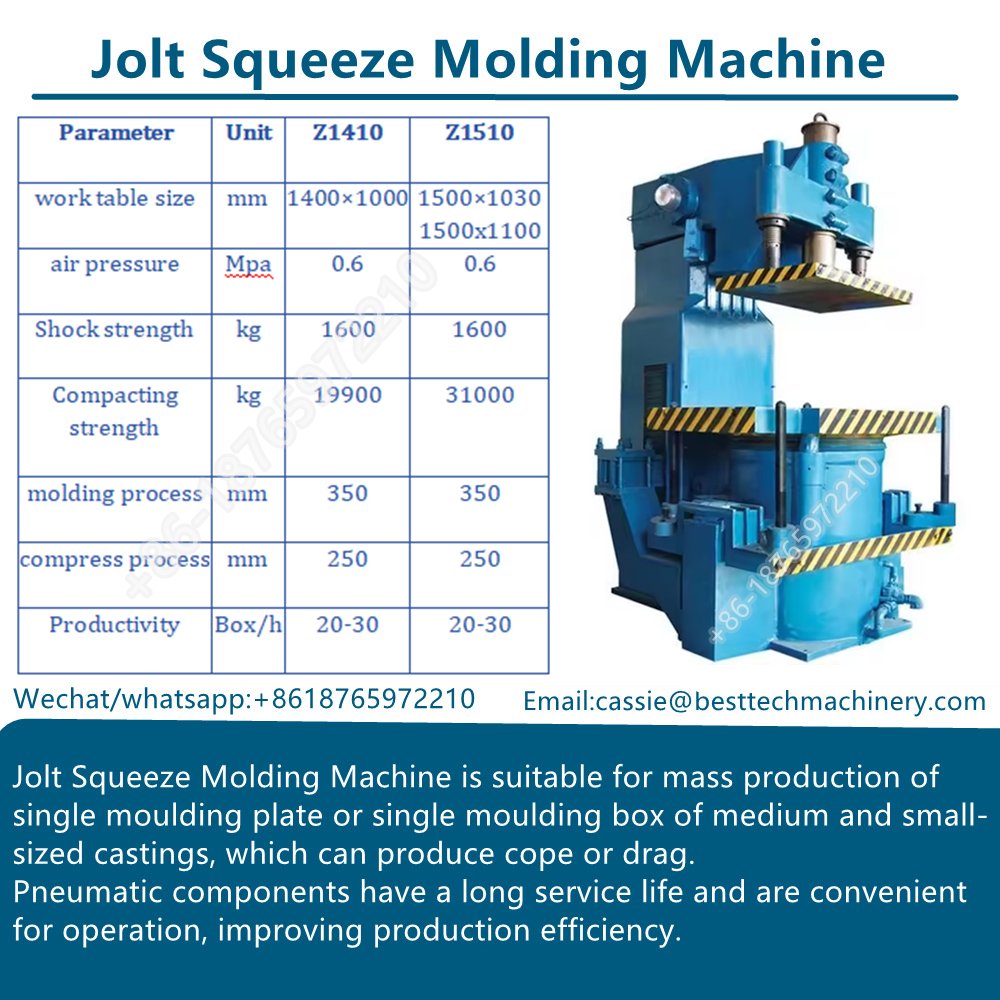
7. Choose a Reliable Manufacturer and Technical Support
Finally, equipment quality is closely related to the manufacturer’s engineering capability and service support. A reliable supplier should provide technical guidance, installation support, and after-sales service.
From an engineer’s experience, good technical communication with the manufacturer helps solve practical production problems more efficiently.
Conclusion
Selecting the right jolt squeeze sand molding machine is a systematic engineering decision. By carefully evaluating casting requirements, compaction performance, production capacity, machine structure, and service support, foundry engineers can choose equipment that delivers stable quality, high efficiency, and long-term reliability. This approach not only improves casting performance but also ensures sustainable and economical production.