
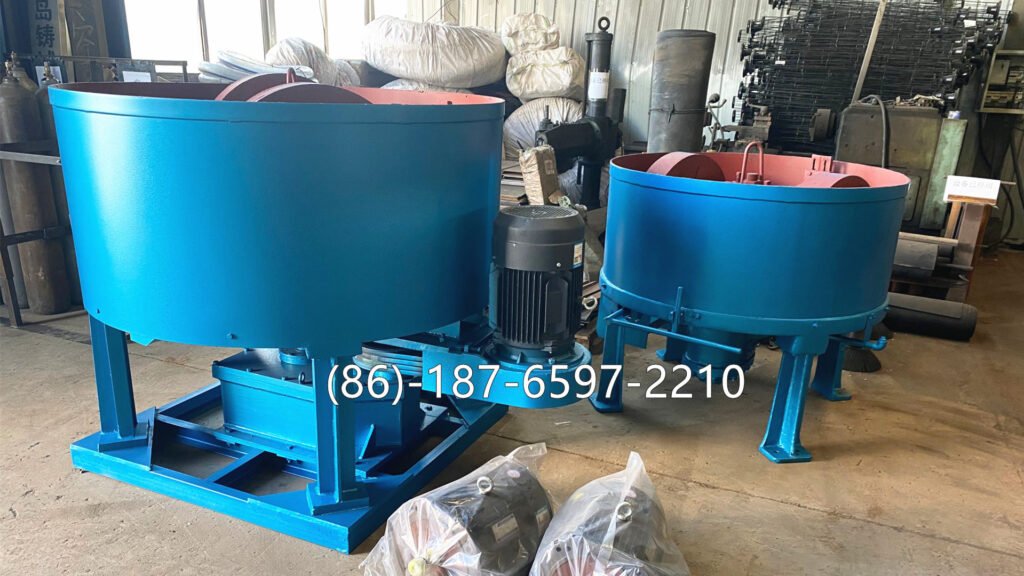
Roller sand mixing machine is a type of foundry equipment used to mix molding sand or core sand uniformly by applying rolling, kneading, and rubbing actions. From an engineering point of view, it is designed to improve sand quality by ensuring even distribution of binders, additives, and moisture while maintaining proper sand grain integrity.
Understanding Application Requirements Before Machine Selection
Selecting the right roller sand mixing machine is a very important step in ensuring stable sand quality, smooth molding operation, and consistent casting performance. Different foundry applications have different sand system requirements, so the machine should be chosen based on actual production conditions rather than only by capacity.
1. Clearly Define the Sand Type and Application
Before selecting a roller sand mixing machine, engineers must first confirm what type of sand system will be used, such as:
- Green sand
- Resin sand
- Dry sand or facing sand
For green sand molding, the roller sand mixer must provide good kneading and rolling action to activate bentonite and evenly distribute moisture. For resin sand, gentle mixing and accurate liquid addition are more important to avoid sand grain damage.
2. Understand the Mixing Principle of Roller Sand Mixers
A roller sand mixing machine works mainly by rolling, kneading, and rubbing. The rollers apply pressure on the sand, while plows continuously turn the sand back into the roller zone.
From engineering viewpoint, this mixing principle is especially suitable for:
- Improving sand compactability
- Reducing sand lumps
- Enhancing sand strength and permeability balance
Understanding this principle helps engineers judge whether a roller mixer matches the required sand performance.
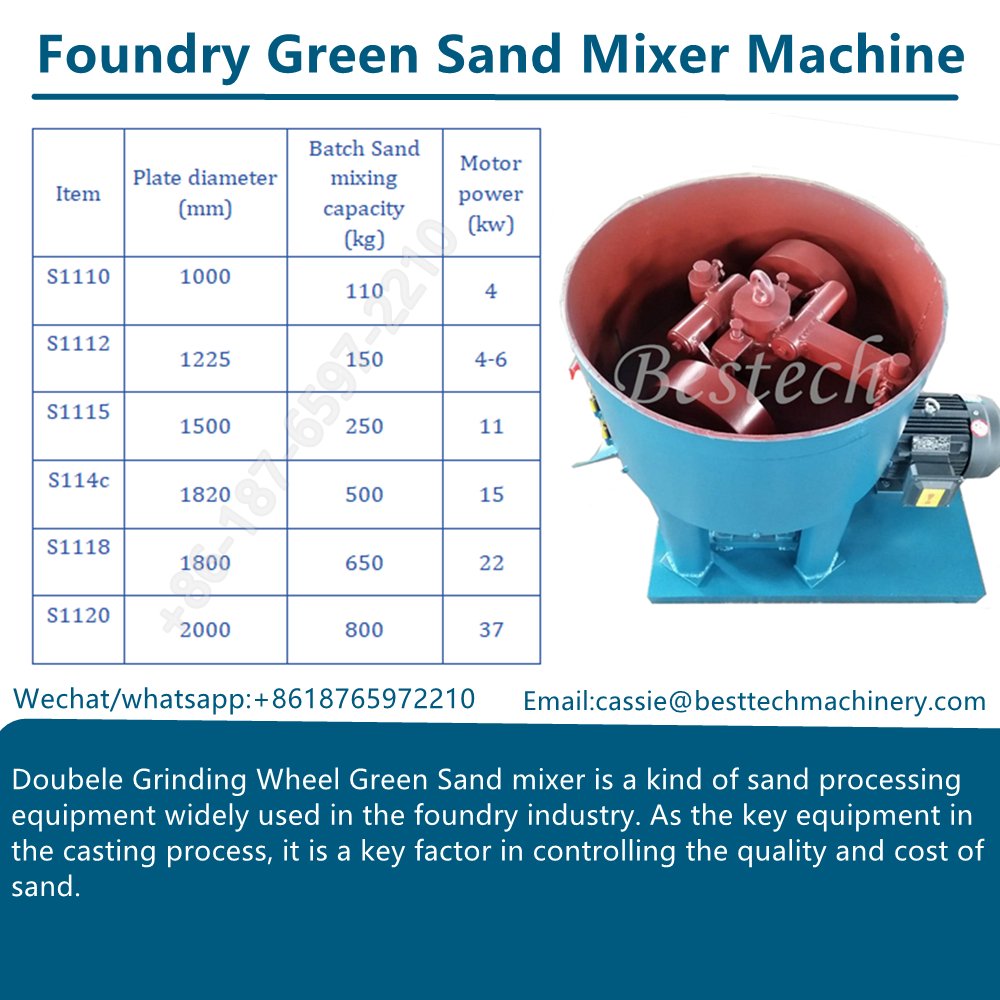
3. Match Machine Capacity with Production Requirement
Machine size should be selected according to:
- Required sand output per hour
- Batch weight per mixing cycle
- Molding line consumption rate
Choosing an oversized machine leads to energy waste and unstable mixing, while an undersized machine may cause production delays. Proper capacity matching ensures efficient and economical operation.
4. Pay Attention to Mixing Uniformity and Repeatability
Stable sand quality is the foundation of good casting. A suitable roller sand mixing machine should provide:
- Consistent roller pressure
- Stable rotation speed
- Uniform binder and water distribution
From long-term production experience, machines equipped with automatic water control and timing system can significantly improve batch-to-batch consistency.
5. Consider Wear Resistance and Service Life
Sand contains high-hardness particles that cause serious wear. Engineers should evaluate:
- Roller and pan lining material
- Thickness of wear-resistant layers
- Ease of replacing wear parts
A machine with good wear resistance reduces maintenance frequency and lowers total operating cost.
6. Evaluate Operation and Maintenance Convenience
In real foundry conditions, simple operation is very important. A good roller sand mixing machine should have:
- Clear control panel
- Easy cleaning and inspection access
- Reliable discharge mechanism
Easy maintenance means less downtime and higher overall productivity.
7. Check Supplier Experience and Technical Support
From engineer’s point of view, machine performance is closely related to manufacturer experience. A reliable supplier should offer:
- Application-based selection advice
- Installation and commissioning guidance
- Training for operators and maintenance staff
Strong technical support ensures long-term stable operation.
Conclusion
Selecting the right roller sand mixing machine requires a comprehensive engineering evaluation of sand type, production scale, mixing quality, and maintenance requirements. By choosing a machine that matches specific application needs, foundries can achieve stable sand quality, improved casting results, and reduced production costs.