
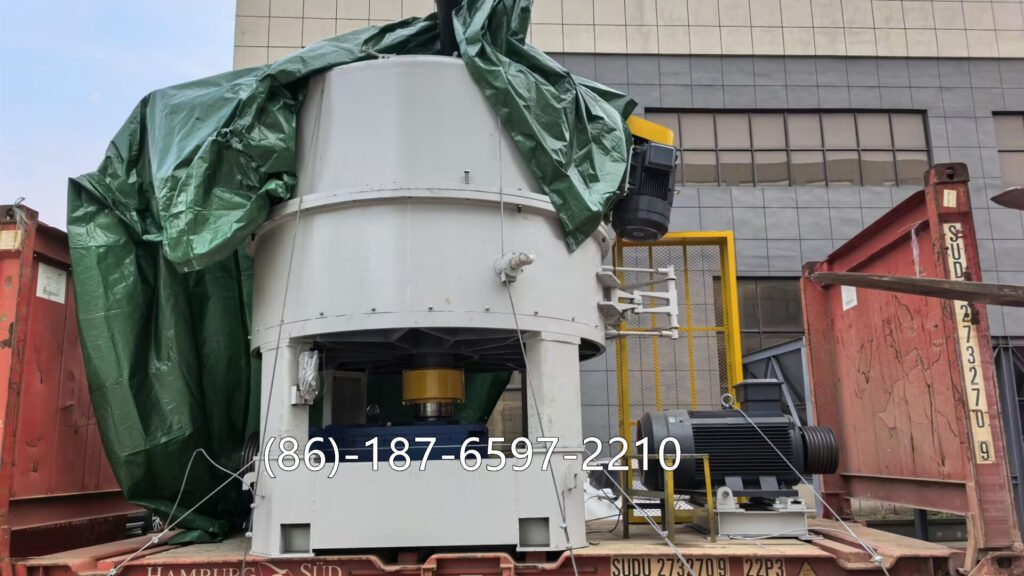
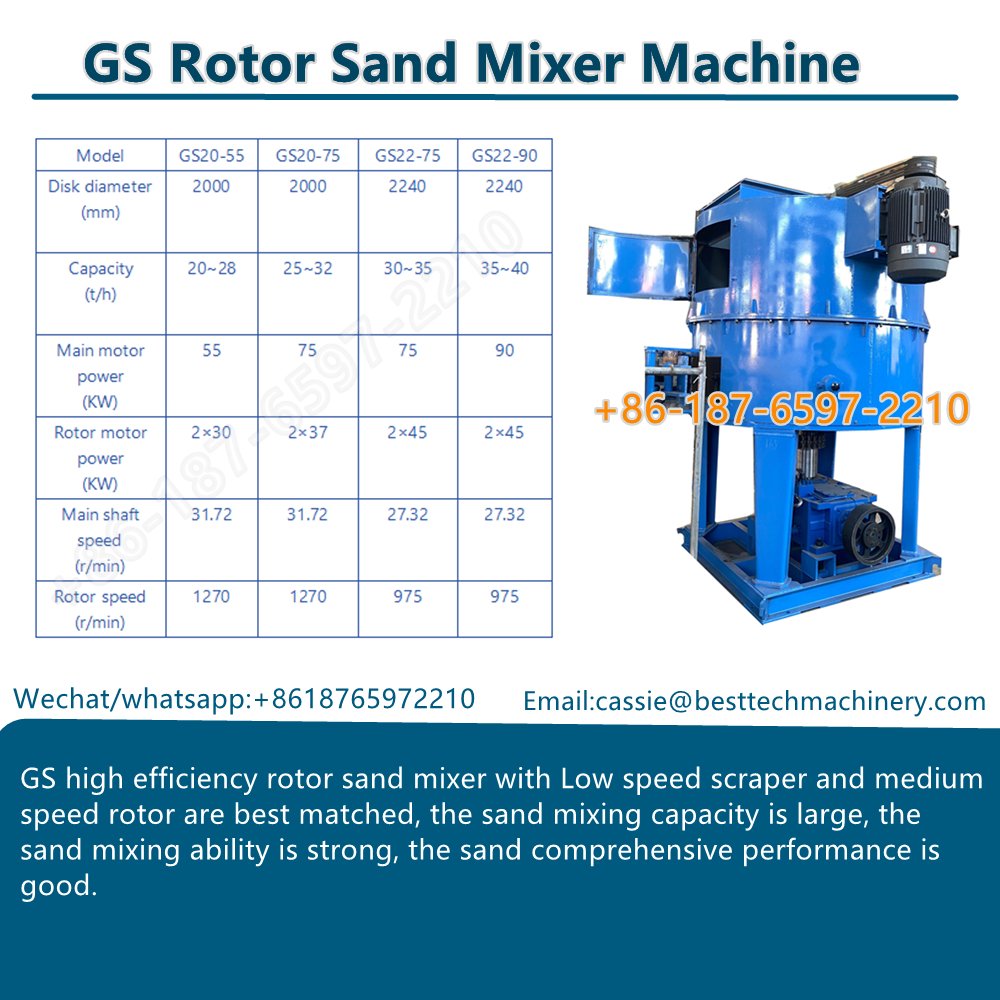
Efficiency rotor sand mixing machine is a high-performance foundry mixer designed to produce uniform, high-quality molding sand by using a high-speed rotating rotor to thoroughly blend sand, binder (resin), and catalyst in a short time. It is widely used in resin sand and chemical binder sand molding processes for casting production.
Typical faults, Practical Diagnostic Steps And Effective Solutions
Efficiency rotor sand mixing machines are widely used in foundry industries for preparing uniform and high-quality molding sand. With continuous production and heavy-duty operation, some common problems may occur during daily use. From an engineer’s point of view, understanding the root causes and applying correct troubleshooting methods can significantly improve production stability, sand quality, and equipment lifespan.
1. Uneven Sand Mixing Quality
Problem Description:
Mixed sand shows inconsistent resin distribution, uneven moisture content, or poor mold strength.
Possible Causes:
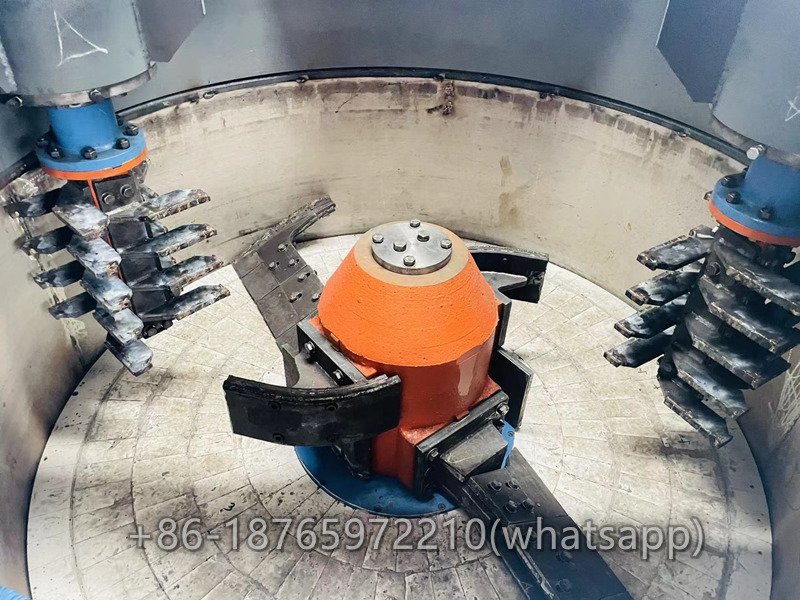
- Worn rotor blades or improper blade clearance
- Incorrect feeding sequence of sand, resin, and catalyst
- Insufficient mixing time or unstable motor speed
- Sand temperature too high or too low
Troubleshooting Methods:
- Inspect rotor blades for wear and replace if necessary
- Check and recalibrate feeding system and dosing pumps
- Verify mixing time settings in control panel
- Install sand temperature monitoring and cooling system
Engineer’s Tip:
Stable raw material feeding is the foundation of consistent sand quality. Always check dosing accuracy before adjusting mechanical parts.
2. Excessive Vibration or Abnormal Noise
Problem Description:
Machine produces strong vibration, metallic noise, or unstable running condition.
Possible Causes:
- Rotor imbalance due to sand accumulation
- Bearing wear or insufficient lubrication
- Loose foundation bolts or coupling misalignment
- Foreign metal objects entering mixing chamber
Troubleshooting Methods:
- Stop machine and clean rotor chamber
- Check bearing condition and lubricate or replace
- Tighten all anchor bolts and align coupling
- Install magnetic separator at sand feeding inlet
Engineer’s Tip:
Never ignore small vibration at early stage. Minor imbalance can quickly lead to major mechanical failure.
3. Low Mixing Efficiency
Problem Description:
Sand mixing cycle becomes longer, output decreases, and productivity drops.
Possible Causes:
- Rotor speed lower than rated value
- Motor overload or voltage instability
- Blade wear reducing shearing action
- Excessive sand load per batch
Troubleshooting Methods:
- Check inverter or motor parameters
- Measure power supply voltage stability
- Replace worn blades
- Adjust batch feeding quantity to rated capacity
Engineer’s Tip:
Do not increase batch size to chase output. Proper load ensures best mixing effect and protects drive system.
4. Sand Leakage from Mixing Chamber
Problem Description:
Sand leaking from shaft seals or discharge door gaps.
Possible Causes:
- Seal ring aging or damage
- Discharge door not tightly closed
- Excessive internal pressure during mixing
Troubleshooting Methods:
- Replace seal rings regularly
- Adjust discharge door locking mechanism
- Check air pressure balance inside chamber
Engineer’s Tip:
Good sealing not only prevents leakage but also protects bearing and gearbox from sand dust.
5. Resin and Catalyst Pump Failure
Problem Description:
Inaccurate resin addition, unstable flow, or complete pump stoppage.
Possible Causes:
- Blocked pipeline by crystallized resin
- Pump diaphragm wear
- Control signal failure
Troubleshooting Methods:
- Flush pipelines with cleaning solution
- Replace diaphragm and check valves
- Inspect electrical control and sensor signals
Engineer’s Tip:
Regular pipeline cleaning avoids unexpected shutdown during peak production.
6. Overheating of Gearbox or Motor
Problem Description:
Gearbox temperature rises abnormally; motor trips frequently.
Possible Causes:
- Overload operation
- Insufficient lubrication oil
- Poor ventilation around motor
Troubleshooting Methods:
- Reduce batch load
- Refill or replace gearbox oil
- Improve workshop ventilation
Engineer’s Tip:
Temperature monitoring system is a small investment that prevents expensive breakdowns.
Preventive Maintenance Recommendation
- Daily: Clean mixing chamber and check leakage
- Weekly: Inspect blades, seals, and lubrication points
- Monthly: Check motor, gearbox oil, and electrical system
- Quarterly: Calibrate dosing system and check rotor balance
Conclusion
An efficiency rotor sand mixing machine is a high-performance but precision-dependent piece of foundry equipment. Most failures come from wear, poor feeding control, or delayed maintenance. With systematic troubleshooting and preventive care, engineers can ensure stable operation, high sand quality, and long equipment service life.