
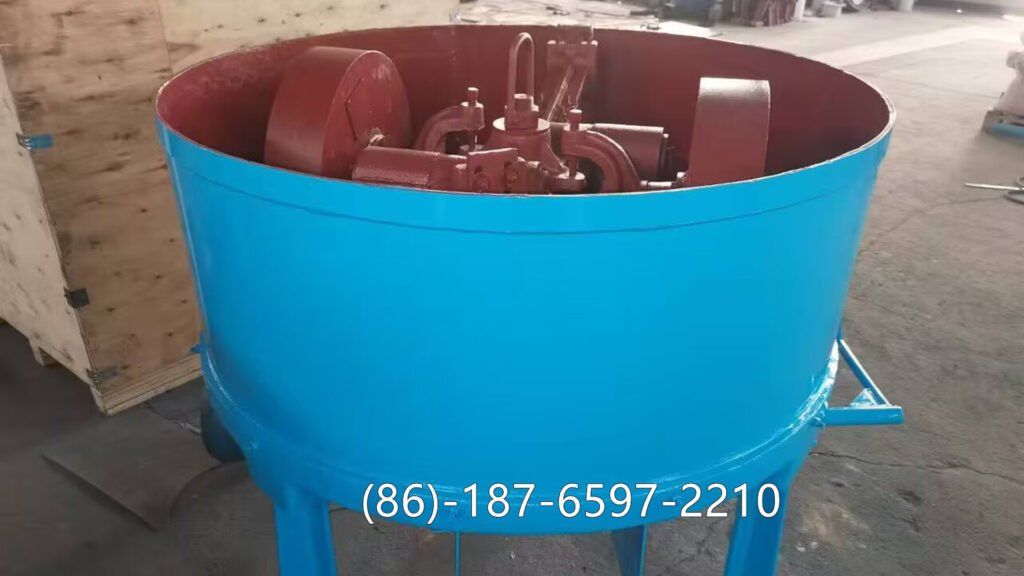
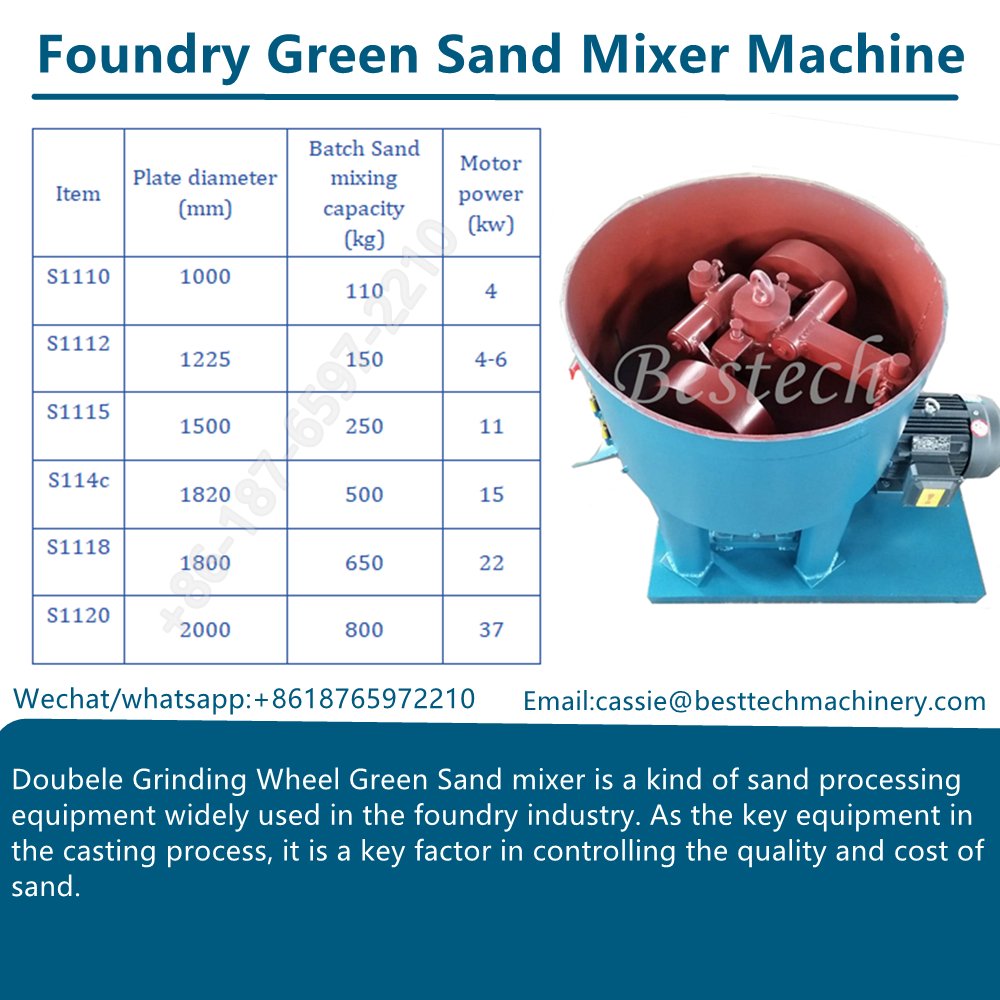
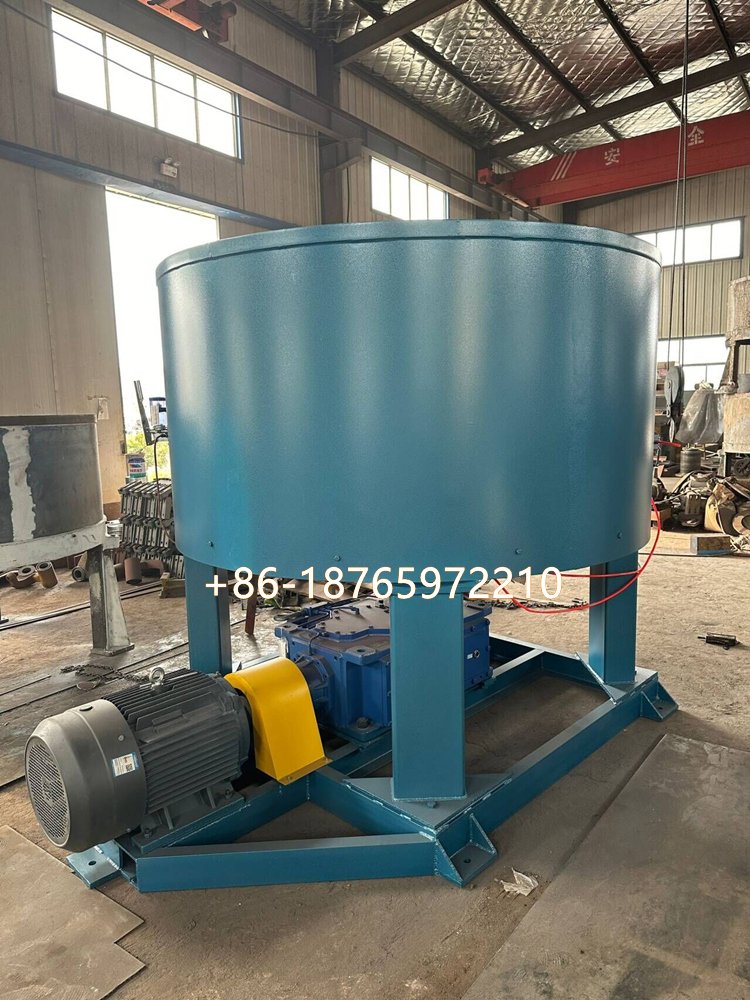
Roller sand mixing machine is a core piece of equipment used in foundries to prepare molding sand for casting processes. It mixes raw sand with binders, catalysts, and additives through mechanical rolling, rubbing, and kneading actions to produce uniform, high-quality molding sand.
Introduction
The roller sand mixing machine is a key equipment in resin sand and green sand molding processes. Its main function is to mix raw sand, binder, catalyst, and additives evenly to obtain qualified molding sand.
In daily production, if the machine is not adjusted or maintained correctly, some common problems may occur, which will directly affect sand quality and casting performance.
Common Faults, Causes, And Troubleshooting Methods
1. Uneven Sand Mixing Quality
Problem Description
- Sand color is not uniform
- Binder distribution is uneven
- Local sand lumps or dry sand appear
Possible Causes
- Roller clearance is not properly adjusted
- Mixing pan lining or roller surface is seriously worn
- Feeding sequence of sand, resin, and catalyst is incorrect
- Mixing time is too short
Troubleshooting Methods
- Adjust the gap between roller and mixing pan according to technical specification
- Replace worn rollers or lining plates in time
- Follow correct feeding order: sand → resin → catalyst
- Extend mixing time appropriately to ensure full mixing
2. Excessive Sand Temperature After Mixing
Problem Description
- Sand temperature is too high
- Resin curing becomes too fast
- Sand fluidity is reduced
Possible Causes
- Roller pressure is too large
- Mixing time is too long
- Raw sand temperature is already high
- Poor heat dissipation inside the mixer
Troubleshooting Methods
- Reduce roller pressure to avoid excessive friction
- Optimize mixing time based on sand type
- Pre-cool raw sand if necessary
- Check ventilation and cooling system of the mixer
3. Abnormal Noise During Operation
Problem Description
- Knocking or grinding noise
- Abnormal vibration during mixing
Possible Causes
- Foreign objects inside mixing pan
- Bearing damage or insufficient lubrication
- Roller or scraper loosening
- Transmission components misalignment
Troubleshooting Methods
- Stop the machine immediately and clean foreign materials
- Check bearings and add grease or replace if damaged
- Tighten all fixing bolts of roller and scraper
- Inspect gearbox, chain, or coupling alignment
4. Serious Wear of Roller and Mixing Pan
Problem Description
- Roller diameter decreases quickly
- Mixing pan lining wears unevenly
- Increased maintenance frequency
Possible Causes
- Sand contains excessive metal particles
- Roller pressure is set too high
- Lining material quality is not suitable
Troubleshooting Methods
- Install magnetic separator before sand mixing
- Adjust roller pressure to reasonable range
- Use high-wear-resistant alloy or ceramic lining
- Perform regular inspection and wear measurement
5. Binder or Catalyst Addition Not Accurate
Problem Description
- Sand strength unstable
- Resin consumption fluctuates
- Casting defects such as sand collapse
Possible Causes
- Metering pump blockage or wear
- Pipeline leakage
- Control system parameter deviation
Troubleshooting Methods
- Clean and maintain resin and catalyst pumps regularly
- Check pipelines and joints for leakage
- Calibrate dosing system periodically
- Ensure PLC parameters match production requirements
6. Low Production Efficiency
Problem Description
- Mixing cycle is too long
- Output does not meet design capacity
Possible Causes
- Improper material feeding rate
- Roller or scraper angle not optimized
- Motor power insufficient or overloaded
Troubleshooting Methods
- Adjust feeding rate to match mixer capacity
- Optimize roller and scraper angle
- Check motor and transmission system
- Avoid long-time overload operation
Conclusion
The stable operation of a roller sand mixing machine depends not only on equipment quality, but also on correct operation, reasonable adjustment, and regular maintenance.
Most common problems can be prevented by daily inspection, timely adjustment, and standardized operation.
Establishing a clear troubleshooting procedure and maintenance plan will greatly improve sand quality, reduce downtime, and ensure consistent casting performance.