
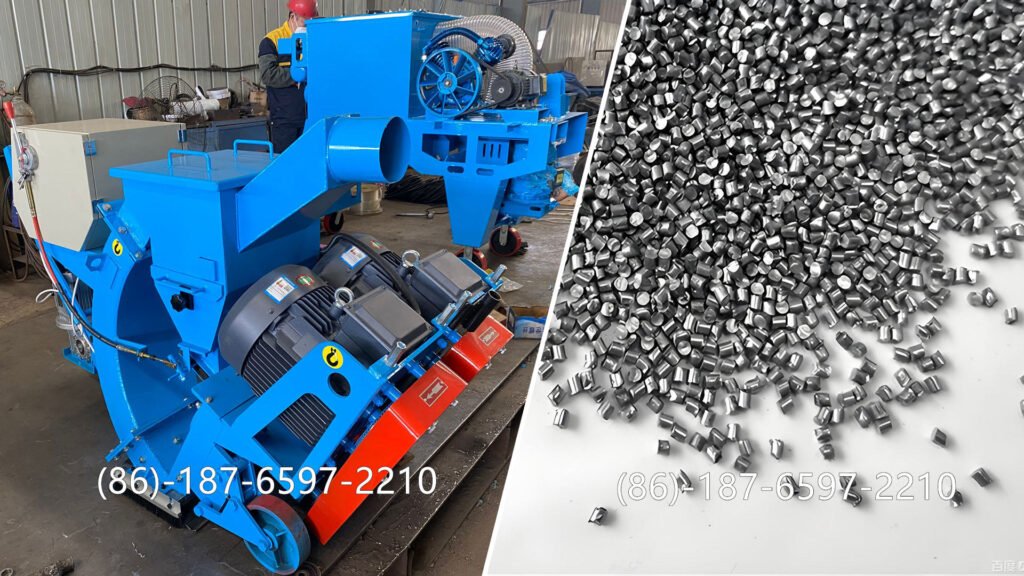
In floor shot blasting operation, the abrasive is the “heart” of the machine. Different abrasives will directly influence the cleaning efficiency, roughness profile, dust level, and even machine wear rate. As workshop engineers, we always need to choose the suitable abrasive according to job site conditions, base material hardness, and expected surface finish.
Common Abrasive Types Used in Floor Shot Blasting Machine
1. Steel Shot (High Carbon / Low Carbon Steel Shot)
Steel shot is the most widely used abrasive for heavy-duty floor blasting. It has high hardness, long service life, and stable impact force.
Main Features:
- High impact energy, good for strong rust removal and thick coating cleaning
- Produce medium to deep texture on concrete surface
- Long cycle life, can be recycled many times inside blasting machine
- Suitable for industrial flooring, warehouse renewal, steel plate cleaning, etc.
Engineer Notes:
For concrete with high hardness or thick epoxy removal, steel shot S330–S390 is commonly used. If need deeper profile, can choose S460 level.
2. Steel Grit (Angular Abrasive)
Steel grit has sharp edges, providing aggressive cutting effect compared with round steel shot.
Main Features:
- Higher cutting ability for stubborn contaminants
- Create deeper and more uneven surface profile
- Suitable for roughening old concrete before new coating
- Good for removing thick adhesive, heavy corrosion, and old epoxy mortar
Engineer Notes:
In many renovation projects, we mix steel shot + steel grit to balance surface roughness and abrasive cost.
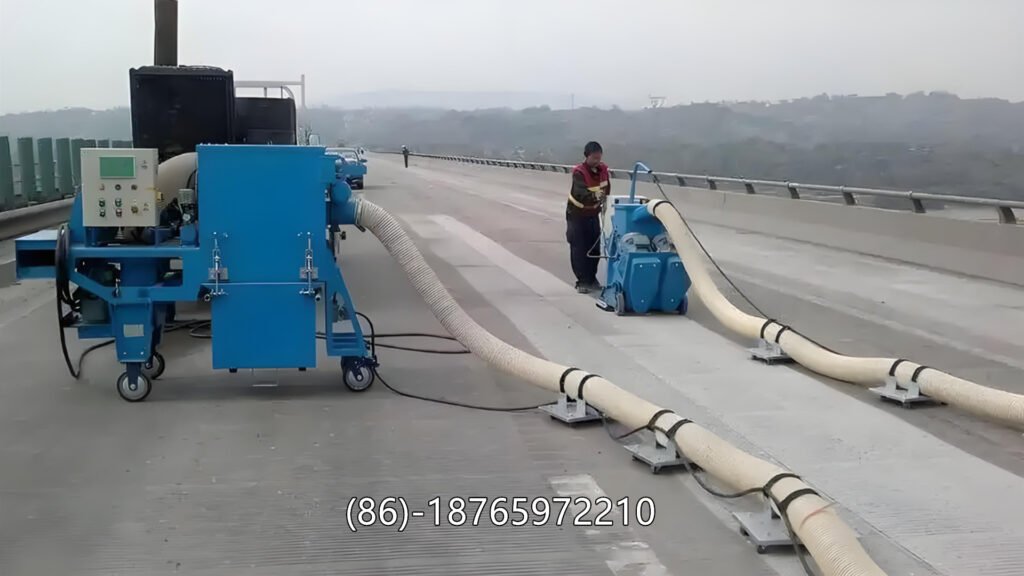
3. Stainless Steel Shot
Used when customers require non-ferrous finishing or want to avoid iron contamination.
Main Features:
- Corrosion resistant, clean and bright blasting effect
- Longer life compared to carbon steel shot
- Used in food plant floors, pharmaceutical workshops, and stainless steel flooring preparation
Engineer Notes:
Stainless steel shot is expensive, normally used in specific industries only.
Conclusion
Choosing the right abrasive is one of the key factors to ensure blasting efficiency and achieve the expected floor surface profile. In engineering practice, we must consider:
- Concrete hardness
- Coating thickness
- Required roughness level
- Machine model and turbine power
- Abrasive recycling condition
Good abrasive selection can greatly improve blasting performance, reduce machine wear, and lower operational cost.