
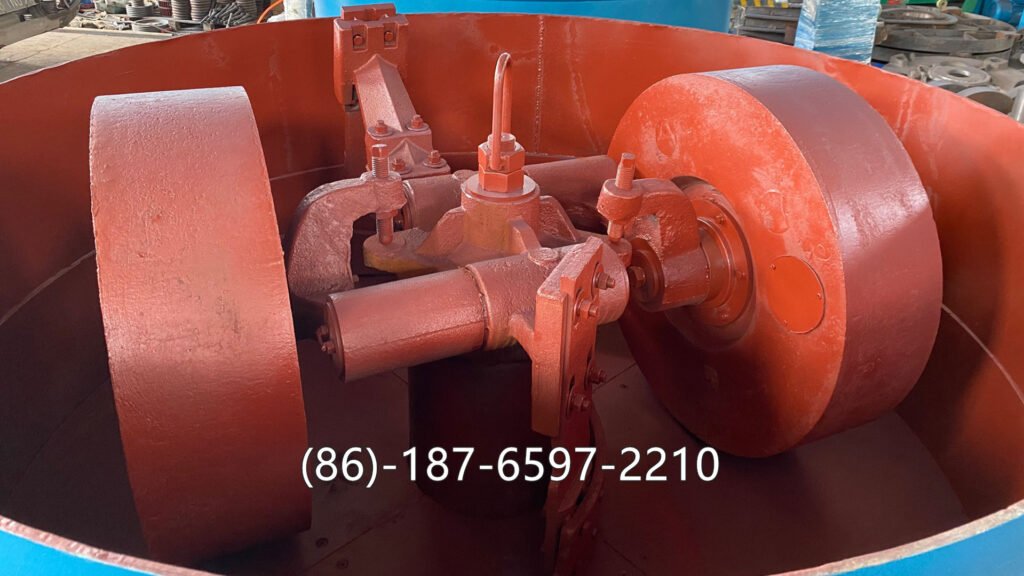
Roller sand mixing machine is a type of foundry sand preparation equipment used to mix molding sand materials uniformly before the molding process. It is mainly applied in green sand molding systems to mix raw sand or reclaimed sand with binders such as bentonite, water, and other additives.
Roller Sand Mixing Machine Introduction
Roller sand mixing machine is a widely used piece of equipment in foundry sand preparation systems. It is mainly applied for mixing green sand or reclaimed sand with bentonite, water, and additives to achieve uniform sand properties. Due to its stable performance, strong mixing ability, and reliable structure, the roller sand mixing machine is especially suitable for medium and large-scale foundries.
Roller Sand Mixer its working principle and main components is essential for correct operation, daily maintenance, and long service life of the equipment.
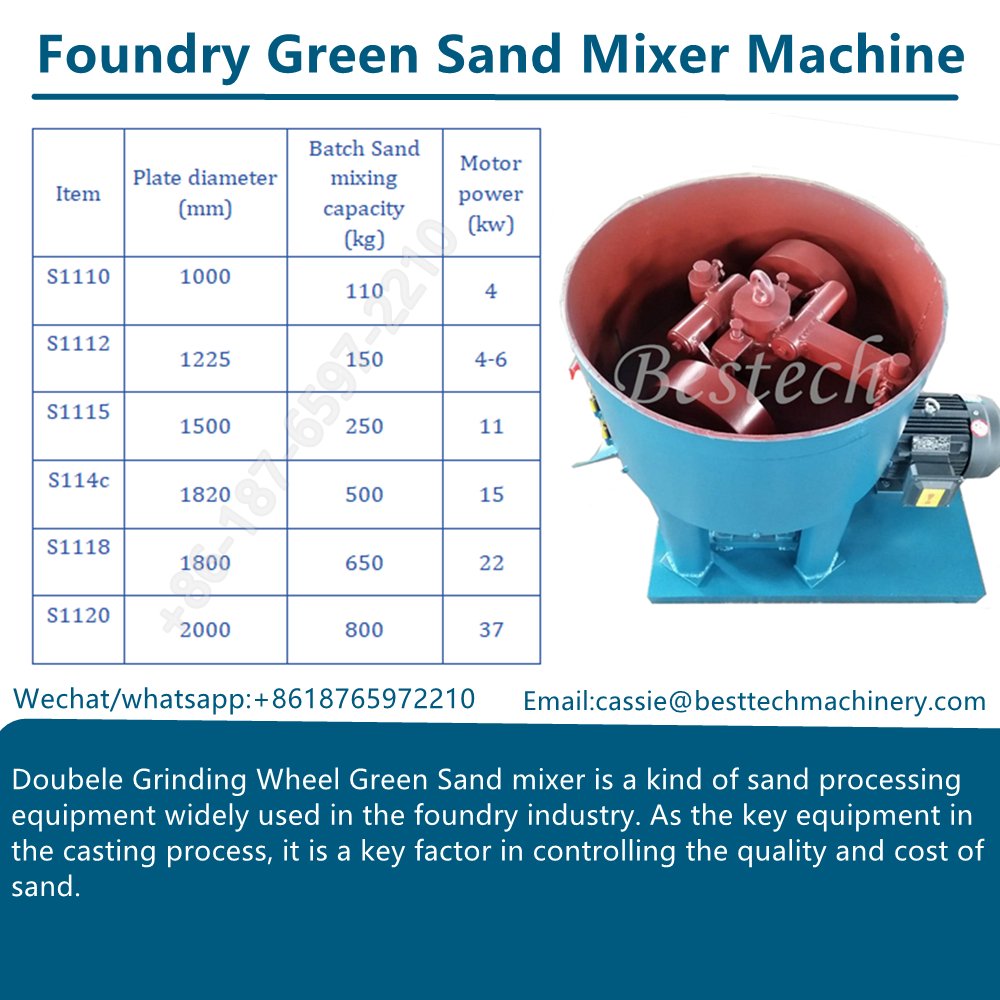
Working Principle of Roller Sand Mixing Machine
The roller sand mixing machine works based on the combined actions of rolling, squeezing, plowing, and shearing.
When the raw sand enters the mixing pan, the following process takes place:
First, the mixing pan rotates at a constant speed driven by the main motor. At the same time, one or two mixing rollers press down on the sand layer under adjustable pressure.
During rotation, the rollers roll continuously on the sand surface. This rolling action crushes sand agglomerates and ensures close contact between sand grains, bentonite, and moisture. The pressure generated by the rollers improves sand compactability and strength.
Meanwhile, the plow blades (scrapers) installed near the rollers continuously turn over the sand. They move the sand from the bottom to the top and from the edge to the center, preventing dead zones inside the mixing pan.
Through repeated rolling, squeezing, and turning, all materials are evenly mixed. After the preset mixing time is completed, the discharge door opens, and the finished molding sand is discharged smoothly.
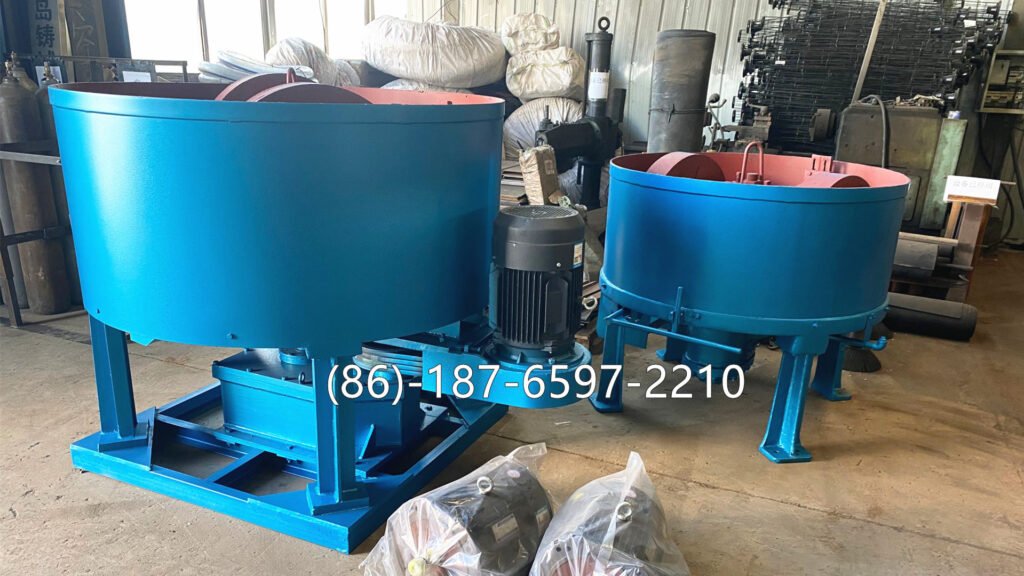
Main Components of Roller Sand Mixing Machine
1. Mixing Pan
The mixing pan is the main working chamber of the machine. It is usually made of high-strength steel and lined with wear-resistant materials to extend service life. The pan provides a stable space for sand mixing and supports all mixing actions.
2. Mixing Rollers
Mixing rollers are the core components of the machine. They are responsible for applying pressure and rolling force to the sand. The roller pressure can be mechanically or hydraulically adjusted according to sand type and production requirements.
High-quality rollers ensure better sand compactability and uniform distribution of binders.
3. Plow Blades (Scrapers)
Plow blades are installed around the mixing pan. Their main function is to continuously turn and guide the sand flow. They prevent material accumulation and ensure that all sand participates in the mixing process.
Proper adjustment of plow blade angle directly affects mixing efficiency.
4. Drive System
The drive system consists of the motor, reducer, and transmission components. It provides stable power for pan rotation and roller movement. A reliable drive system ensures smooth operation and reduces mechanical failure.
5. Discharge Mechanism
The discharge mechanism includes the discharge door and control system. It allows fast and clean discharge of mixed sand. A good sealing structure prevents sand leakage during mixing.
6. Control System
The control system manages mixing time, roller pressure, and discharge operation. Modern roller sand mixing machines can be equipped with PLC control for automatic and precise operation.
Conclusion
The roller sand mixing machine achieves efficient and uniform sand mixing through a well-designed combination of rolling, squeezing, and plowing actions. Its key components work together to ensure stable sand quality, which is critical for producing high-quality castings.
Correct understanding of the working principle and components helps operators optimize performance, reduce maintenance costs, and extend equipment lifespan. For foundries aiming at consistent molding sand quality, the roller sand mixing machine remains a reliable and practical solution.