

Still struggling with the efficiency and sustainability of sand reclamation?
Sand Reclamation System—equipped with a Shakeout Deck and Attrition Mill—has emerged as a groundbreaking solution, delivering unparalleled efficiency and restoring sand to near-virgin quality for reuse.
The modern foundry industry faces increasing pressure to balance productivity, cost-effectiveness, and environmental sustainability. Central to this challenge is the management of used foundry sand, a critical material in metal casting processes. To address these demands, the Sand Reclamation System—equipped with a Shakeout Deck and Attrition Mill—has emerged as a groundbreaking solution, delivering unparalleled efficiency and restoring sand to near-virgin quality for reuse.
Sand Reclamation System Overview
The modern sand reclamation system integrates a Shakeout Deck and Attrition Mill to achieve high-efficiency regeneration of used foundry sand. This closed-loop solution addresses environmental and economic challenges in metal casting by recovering over 95% of sand for reuse.
Core Components & Mechanism
Shakeout Deck:
- A shakeout deck is used primarily in foundries.
- It separates casting molds (usually sand molds) from the solidified metal castings after pouring.
- It does this through vibration, “shaking out” the sand from the metal components.
- The deck may include screens or perforations to allow sand to fall through for reclamation or disposal.
Attrition Mill:
- An attrition mill is a type of grinding mill used to scrub, clean, or grind materials by rubbing them against each other or against a surface.
- In foundries, it’s often used to clean reclaimed sand by removing the thin coating of binder (like resin or clay) left on sand grains from molds.
- It helps in improving the reusability of sand in mold making by ensuring cleaner and more uniform particles.
Combined Use: Shakeout Deck Attrition Mill
Combining a Shakeout Deck with an Attrition Mill, the Sand Reclamation System ensures efficient separation and cleaning, resulting in maximum recovery and reusability of used sand.
- In some systems, these components are combined or used in sequence:
First, the shakeout deck separates the casting from the sand.
Then the separated sand is processed through an attrition mill to clean it. - This integration helps in automating and improving sand reclamation in foundries, reducing material waste and operational costs.
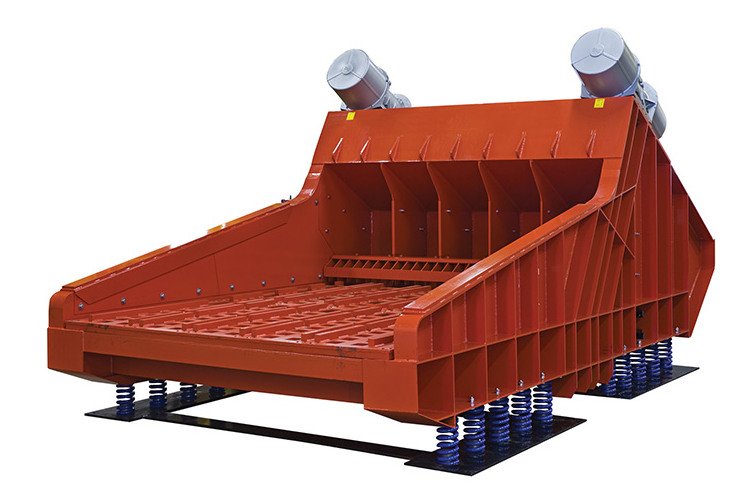
How Sand Reclamation System Shakeout Deck and Attrition Mill Optimizing Efficiency and Sustainability
Sand reclamation systems are critical in foundries for recycling used sand, reducing raw material consumption, and minimizing waste. Central to these systems are the shakeout deck and attrition mill, which work synergistically to separate, crush, and refine sand particles.
Shakeout Deck Optimization
The shakeout deck is responsible for separating sand from residual binders, cores, and contaminants. Key optimization strategies include:
Material Handling Design:
- Use vibratory or centrifugal separators to improve particle distribution and reduce clogging. For example, General Kinematics’ vibratory equipment ensures uniform sand flow, enhancing separation efficiency by up to 20%.
- Incorporate multi-stage screening to segregate oversized particles early, preventing damage to downstream machinery like attrition mills.
Automation and Monitoring:
- Integrate PLC-controlled systems to adjust vibration frequency and conveyor speed dynamically. This reduces energy consumption and ensures consistent sand quality, as demonstrated in automated reclamation lines.
Attrition Mill Performance Enhancement
The attrition mill grinds and homogenizes sand to restore its molding properties. Critical improvements include:
Grinding Chamber Design:
- Optimize rotor speed and grinding plate gaps to balance particle size reduction with energy use. High-efficiency mills like the Continuous Double Arms Resin Sand Muller (model S2540) achieve 95% binder removal while maintaining thermal conductivity.
Cooling and Heat Management:
- Implement air wash systems to remove fine dust and heat during grinding. This prevents overheating and extends equipment lifespan, as seen in advanced reclamation systems
Sustainability Measures
Waste Minimization:
Integrate closed-loop water or air circuits to recycle cooling media. For instance, systems using water-based reclamation reduce freshwater usage by 30% compared to traditional methods.
Energy Efficiency:
Adopt variable frequency drives (VFDs) for motors, reducing energy waste during low-demand phases. Energy savings of 15–25% are achievable in attrition mills.
Binder Recovery:
Use thermal or chemical treatment to recover resins (e.g., phenolic or cold-box binders) from waste sand. This not only cuts raw material costs but also aligns with circular economy principles.
Conclusion
This integrated system represents a paradigm shift in foundry waste management. By combining mechanical attrition with smart process control, it achieves unprecedented efficiency while meeting stringent environmental regulations. As metal casting industries prioritize circular economy principles, such technologies will play a pivotal role in sustainable manufacturing.