
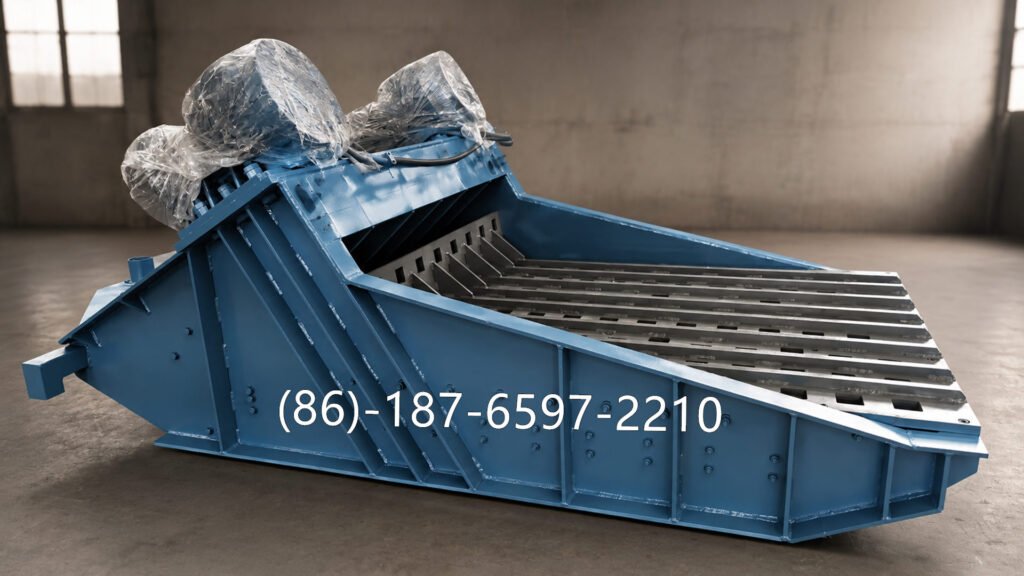
Maximize Sand Recovery, Reduce Labor Costs, and Boost Foundry Productivity.
Why Are Many Foundries Still Losing Money After the Casting Process?
Most foundries focus heavily on:
- Melting efficiency
- Molding automation
- Core production
- Pouring systems
But one critical process is often underestimated:
Shakeout and Sand Recovery.
After pouring and cooling, castings remain surrounded by molding sand. If this sand is not efficiently separated and reclaimed, foundries face:
❌ Higher fresh sand consumption
❌ Increased labor costs
❌ Lower production efficiency
❌ Equipment bottlenecks
❌ Excessive waste disposal expenses
❌ Reduced profitability
In today’s competitive casting industry, sand is no longer a low-cost consumable.
Every ton of reusable sand recovered directly impacts your bottom line.
That is why forward-thinking foundries are upgrading to a Next-Gen Foundry Shakeout Machine.
What Is a Next-Generation Foundry Shakeout Machine?
Next-Gen Foundry Shakeout Machine is an advanced vibratory separation system designed to:
- Separate castings from molding sand
- Break down sand lumps
- Improve sand recovery rates
- Support continuous automated production
Unlike traditional shakeout equipment, modern systems combine:
High-Efficiency Vibration Technology
Wear-Resistant Construction
Intelligent Process Control
Automation Integration
The result is faster shakeout, cleaner castings, and higher sand reclamation efficiency.
Why Shakeout Performance Matters More Than Ever
Modern foundries face growing pressure from:
- Rising raw material costs
- Labor shortages
- Environmental regulations
- Productivity demands
A poorly performing shakeout system can become a major bottleneck.
Common Problems in Traditional Shakeout Operations
Excessive Sand Waste
Valuable reusable sand is discarded unnecessarily.
Labor-Intensive Processing
Workers spend excessive time handling castings and cleaning sand.
Production Delays
Slow shakeout creates congestion downstream.
High Equipment Wear
Improper vibration systems increase maintenance costs.
A next-generation shakeout machine solves these issues while improving overall foundry efficiency.
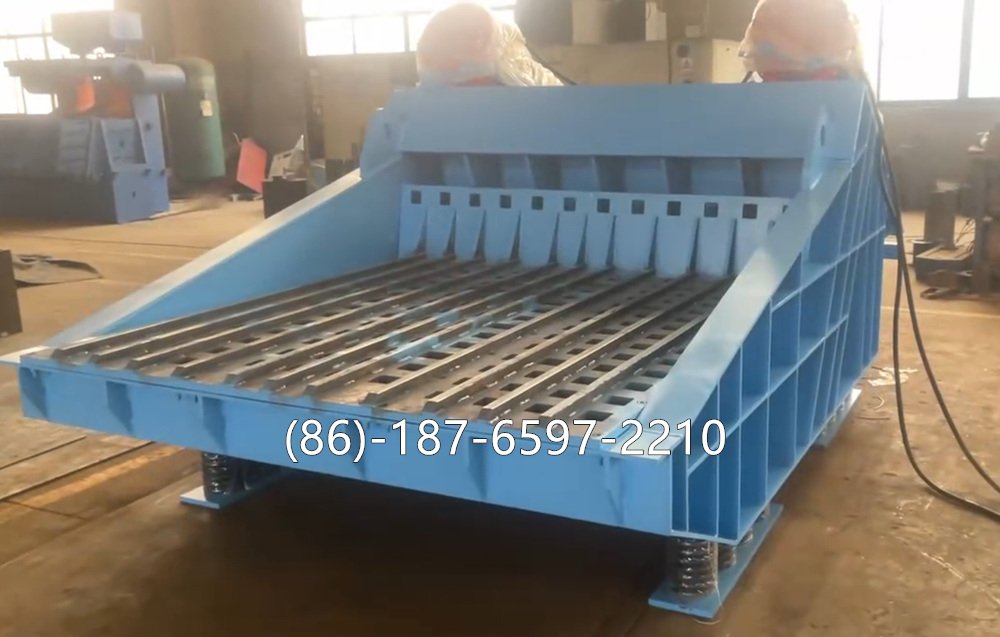
How the Next-Gen Shakeout Machine Works
Step 1: Casting Loading
Hot castings with attached molding sand enter the shakeout deck.
Applicable materials include:
- Gray iron castings
- Ductile iron castings
- Steel castings
- Aluminum castings
Step 2: Controlled High-Energy Vibration
Dual vibration motors generate optimized excitation force.
The vibration quickly separates:
- Sand
- Castings
- Sand lumps
while minimizing casting damage.
Step 3: Sand Screening and Separation
Recovered sand passes through the screening deck.
Benefits include:
- Fast sand discharge
- Continuous operation
- Improved reclaim quality
Step 4: Lump Breakdown
Large sand lumps are crushed during vibration.
This improves the performance of downstream sand reclamation equipment.
Step 5: Sand Transfer
Recovered sand is automatically conveyed to:
- Boiling cooling beds
- Fine hexagonal screens
- Sand reclamation systems
- Sand storage silos
ready for reuse.
Technical Parameters
| Item | Specification |
|---|---|
| Processing Capacity | 5–100 T/H |
| Vibration Frequency | 700–1500 RPM |
| Excitation Force | 20–250 kN |
| Deck Width | 1000–3500 mm |
| Deck Length | 2000–8000 mm |
| Motor Power | 2×3 kW – 2×30 kW |
| Applicable Sand | Green Sand / Resin Sand |
| Control System | PLC Automatic Control |
| Operation Mode | Continuous |
Customized solutions are available based on casting size and production capacity.
Key Benefits of a Next-Generation Shakeout Machine
1. Maximize Sand Recovery
Modern shakeout technology allows more reusable sand to enter the reclamation process.
Benefits include:
✅ Lower fresh sand purchases
✅ Reduced waste disposal costs
✅ Higher resource utilization
Many foundries achieve:
90–98% sand recovery efficiency.
2. Reduce Labor Costs
Automation significantly reduces manual shakeout operations.
Benefits include:
- Fewer operators
- Lower labor costs
- Improved safety
Many foundries reduce labor requirements by:
50–80%
after upgrading.
3. Improve Casting Throughput
Continuous vibration processing supports:
- Faster cycle times
- Higher production rates
- Improved line balance
This increases total foundry output.
4. Protect Casting Quality
Optimized vibration technology reduces:
- Casting damage
- Edge chipping
- Handling defects
Especially important for:
- Thin-wall castings
- Precision components
- Complex castings
5. Support Fully Automated Foundries
The machine integrates seamlessly with:
- Automated molding lines
- Sand reclamation plants
- Intelligent foundry systems
creating a highly efficient production flow.
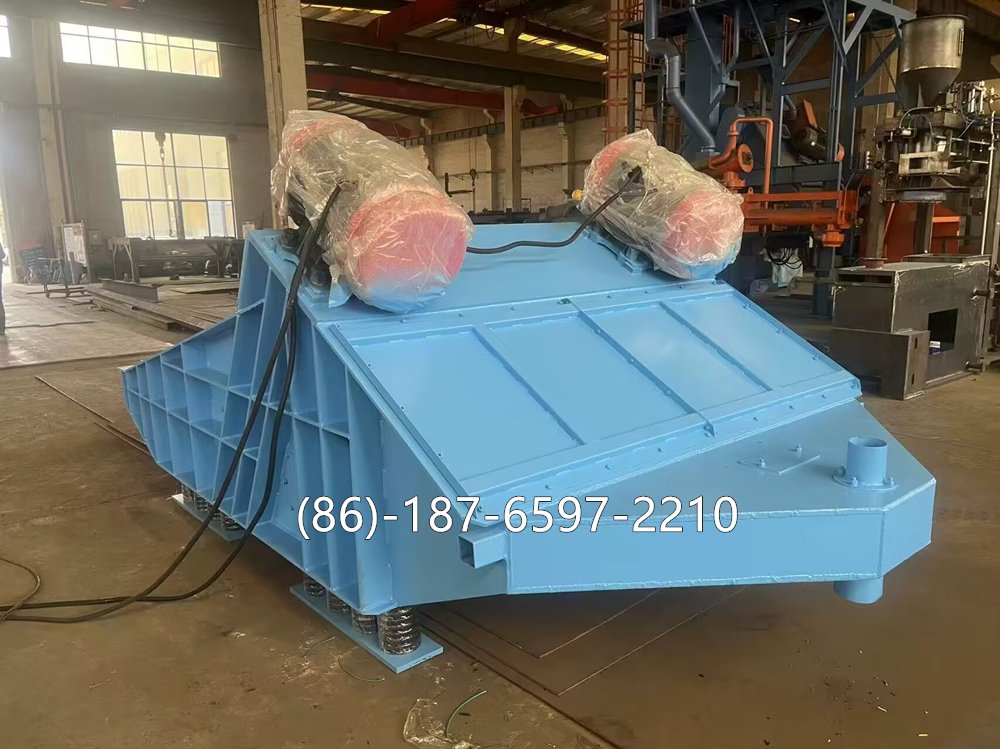
Typical Applications
The Next-Gen Shakeout Machine is widely used in:
Gray Iron Foundries
For high-volume casting production.
Ductile Iron Foundries
Supporting automated sand recovery systems.
Steel Foundries
Handling large and heavy castings.
Automotive Casting Plants
Maximizing productivity and consistency.
General Engineering Foundries
Improving sand reuse and reducing operating costs.
Next-Gen Shakeout Machine vs Conventional Shakeout Equipment
| Feature | Next-Gen Shakeout Machine | Traditional Equipment |
|---|---|---|
| Sand Recovery Rate | High | Medium |
| Labor Requirement | Low | High |
| Throughput | High | Medium |
| Maintenance Cost | Low | Higher |
| Automation Capability | Excellent | Limited |
| Casting Protection | Better | Basic |
The difference becomes especially noticeable in medium and large foundries operating multiple shifts.
Common Foundry Challenges Solved
Problem: Rising Sand Costs
Solution:
Recover more reusable sand and reduce fresh sand purchases.
Problem: Labor Shortages
Solution:
Automate shakeout and reduce manual handling.
Problem: Production Bottlenecks
Solution:
Increase shakeout capacity and support continuous operation.
Problem: High Scrap Rates
Solution:
Improve sand quality entering the reclamation system.
Why Foundries Choose Our Next-Gen Shakeout Machine
Advanced Vibration Technology
Optimized excitation force ensures rapid and efficient separation.
Heavy-Duty Structural Design
Built for continuous industrial operation.
Wear-Resistant Components
Critical wear areas feature high-strength materials for longer service life.
Low Maintenance Requirements
Simple and robust design minimizes downtime.
Complete Engineering Support
We provide:
- Capacity calculations
- Equipment selection
- Layout planning
- Installation guidance
- Operator training
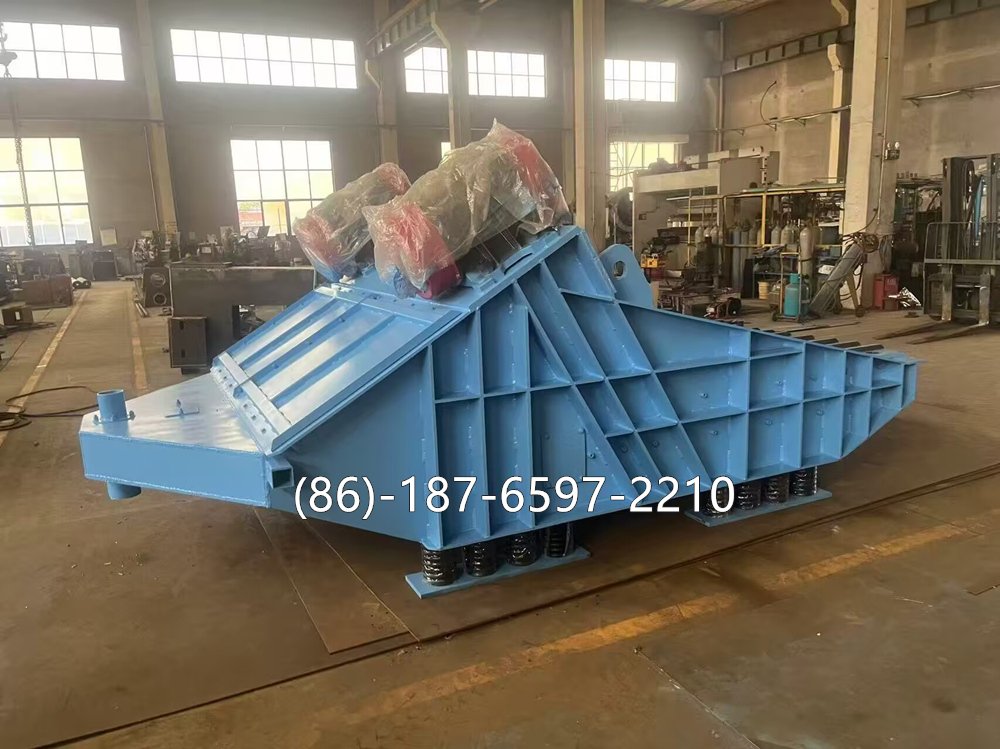
Frequently Asked Questions
What types of castings can be processed?
Suitable for:
- Iron castings
- Steel castings
- Aluminum castings
- Non-ferrous castings
Can the machine work with resin sand systems?
Yes.
It is suitable for:
- Green sand
- Resin bonded sand
- Reclaimed sand systems
Can it integrate with existing foundry equipment?
Absolutely.
The machine can connect directly with:
- Cooling beds
- Sand screens
- Reclamation systems
- Automatic conveyors
What is the expected service life?
With proper maintenance, many systems operate reliably for:
10–15 years or longer.
The Foundation of Efficient Sand Reclamation
Many foundries invest in advanced reclamation equipment but overlook the first stage of the process.
In reality:
Efficient sand reclamation begins at shakeout.
A Next-Gen Foundry Shakeout Machine helps foundries:
✅ Recover more sand
✅ Lower labor costs
✅ Improve casting throughput
✅ Support automation
✅ Increase profitability
Request Your Customized Shakeout Solution Today
Looking for a reliable Next-Generation Foundry Shakeout Machine?
Our engineering team provides:
Free Technical Services
✔ Production analysis
✔ Capacity calculation
✔ Equipment selection
✔ Sand recovery evaluation
✔ ROI calculation
Contact Us Today For:
✔ Detailed Quotation
✔ Customized Engineering Proposal
✔ Sand Reclamation Optimization Plan
✔ Production Line Layout Design
Send us your:
- Casting type
- Annual production volume
- Sand type
- Existing equipment configuration
Our engineers will provide a customized solution and quotation within 24 hours.
Whatsapp+8618765972210