
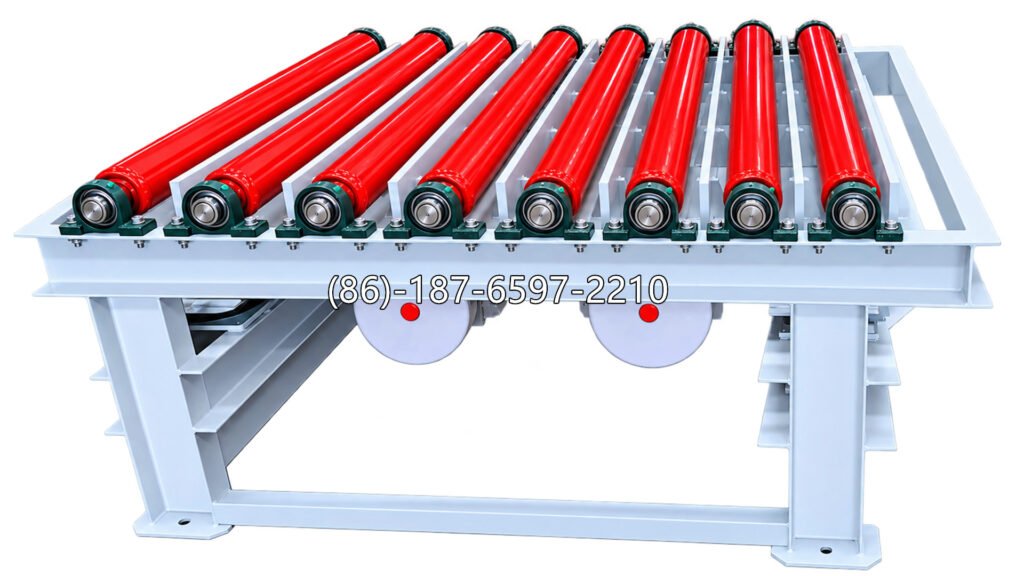
Looking for a Reliable Compaction Table for Your Resin Sand Molding Line?
Choosing the right compaction table is an important decision when building or upgrading a resin sand molding production line.
For foundries producing iron castings, steel castings, and large industrial components, stable mold preparation directly affects production efficiency, mold quality, and operating costs.
However, not every foundry vibration table is suitable for every molding application.
A machine with insufficient load capacity may not support heavy sand molds. An unsuitable vibration system can cause uneven sand distribution, excessive movement, or unstable operating conditions. Poor integration with the resin sand mixer may also reduce overall production efficiency.
Therefore, selecting a reliable compaction table manufacturer requires more than comparing equipment prices.
Foundry buyers should evaluate the mechanical structure, rated load, vibration system, electrical control, customization capabilities, manufacturing quality, and after-sales support.
In this guide, we explain how to select a reliable compaction table for your resin sand molding line, which technical parameters should be confirmed before ordering, and what to consider when purchasing customized foundry equipment.
1. Why Does Your Resin Sand Molding Line Need a Reliable Compaction Table?
In no-bake resin sand molding, the mixed sand must fill the flask and surround the pattern before the binder completes its curing process.
If sand distribution is uneven, the mold may develop local weak sections or inconsistent packing.
A properly designed vibration compaction table helps sand particles settle and rearrange during the filling process.
For industrial foundries, this equipment can provide several important production advantages.
Improve Sand Filling Consistency
Controlled mechanical vibration helps resin sand fill the spaces around patterns, including corners and relatively narrow sections.
This is especially useful for large molds and complicated casting geometries.
Reduce Repetitive Manual Compaction
Traditional manual ramming requires considerable operator involvement.
A mechanical vibration table reduces repetitive manual work and helps establish more consistent operating procedures.
Support Stable Mold Preparation
The vibration cycle can be controlled according to mold dimensions, sand characteristics, and production requirements.
This helps foundries develop repeatable mold preparation procedures.
Improve Production Organization
A compaction table can be integrated with a continuous resin sand mixer, sand filling station, and mold transfer system.
This creates a more coordinated production process.
Important: Vibration improves sand settling and packing but does not replace correct binder mixing, chemical curing, or proper sand quality control.
2. What Makes a Reliable Compaction Table Manufacturer?
When purchasing foundry machinery, the manufacturer’s engineering capability is just as important as the machine itself.
A reliable supplier should understand the actual working conditions of resin sand molding and provide equipment according to the customer’s production requirements.
Here are seven important factors to evaluate.
2.1 Heavy-Duty Steel Platform Structure
The vibration platform must support the combined weight of the flask, pattern, resin sand, and other supported components.
For large foundry molds, the platform requires suitable structural strength and stiffness.
Check the following:
- Platform steel plate thickness
- Supporting frame structure
- Reinforcement arrangement
- Welding quality
- Rated operating load
- Structural stability under vibration
The platform should be engineered according to the actual static and dynamic operating loads.
A thicker steel plate alone does not guarantee a better machine. The complete structure must be properly designed.
2.2 Stable Vibration Motor Configuration
The vibration system is the core working component of a compaction table.
The motor configuration and installation arrangement directly affect vibration performance.
A reliable design should consider:
- Vibration motor power
- Excitation force
- Operating frequency
- Vibration amplitude
- Motor installation position
- Total operating weight
- Continuous operating requirements
For different mold sizes and weights, the vibration system should be calculated and selected accordingly.
Do not assume that higher motor power automatically produces better compaction results.
2.3 Adjustable Vibration Control
Different resin sand formulations and mold geometries require different vibration conditions.
A practical control system should allow operators to establish suitable operating cycles.
Available configurations may include:
- Manual start and stop
- Timer-controlled vibration
- Adjustable vibration intensity, where supported
- PLC-based automatic control
- Emergency stop
- Motor overload protection
For production lines with multiple mold specifications, a PLC control system can help standardize operating procedures.
2.4 Reliable Vibration Isolation System
During operation, mechanical vibration is transmitted through the platform and supporting structure.
A suitable vibration isolation system helps reduce unwanted vibration transmission to the foundation and surrounding equipment.
Common configurations include:
- Heavy-duty spring supports
- Rubber vibration isolation components
- Customized vibration damping arrangements
The isolation structure should be selected according to machine load, vibration characteristics, and installation conditions.
2.5 Customized Platform Dimensions
A standard-size vibration table may not fit every foundry’s production requirements.
A professional manufacturer should be able to evaluate customized dimensions according to:
- Maximum flask length
- Maximum flask width
- Mold height
- Total mold weight
- Sand weight
- Pattern arrangement
- Material feeding method
For large steel or iron castings, customized platform dimensions are particularly important.
2.6 Quality Manufacturing and Inspection
Before purchasing, ask the supplier about its manufacturing and inspection procedures.
Important inspection items include:
- Steel structure inspection
- Weld quality inspection
- Motor and electrical component verification
- Fastener inspection
- No-load running test
- Loaded vibration test
- Electrical control test
- Emergency stop function test
Where practical, request factory inspection videos or a factory acceptance test (FAT) report before shipment.
2.7 Technical Support and After-Sales Service
Foundry machinery is long-term production equipment.
A reliable manufacturer should provide technical assistance covering installation, commissioning, operation, and maintenance.
Before ordering, confirm:
- Installation guidance
- Electrical documentation
- Operation manual
- Spare parts availability
- Maintenance recommendations
- Remote technical support
- Warranty conditions
The supplier’s ability to support the equipment after delivery should be included in the purchasing evaluation.
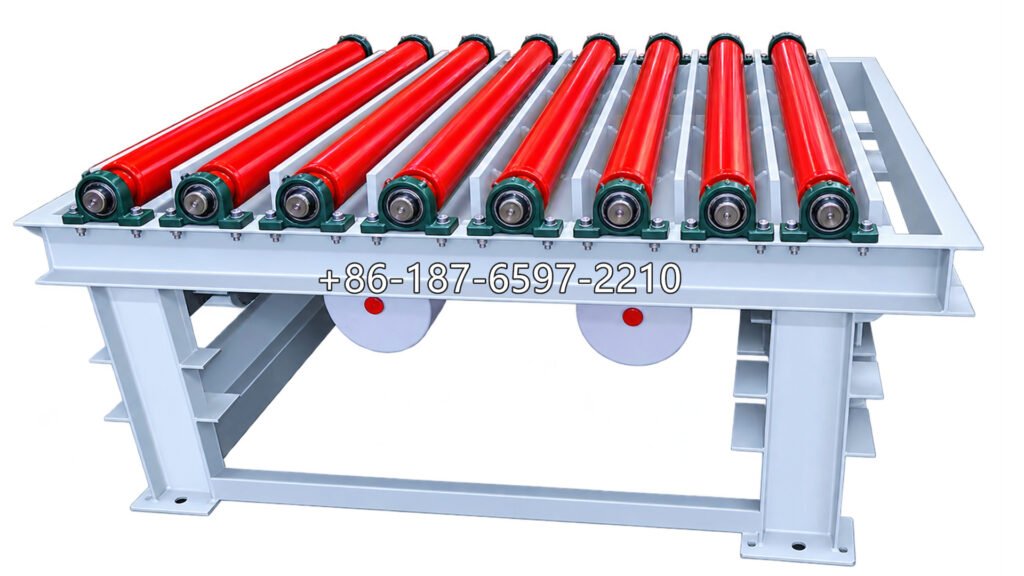
3. Technical Parameters: How to Select the Right Compaction Table?
Selecting a compaction table according to motor power alone is a common purchasing mistake.
The correct configuration depends on the mold dimensions, total operating weight, vibration requirements, and production cycle.
The following parameters should be confirmed before requesting a quotation.
Main Technical Parameter Table
| Parameter | Technical Description | Selection Basis |
|---|---|---|
| Platform length | Effective working length | Maximum flask length |
| Platform width | Effective working width | Maximum flask width |
| Platform height | Working platform height | Factory layout and feeding height |
| Rated load | Maximum designed operating load | Total flask, pattern, and sand weight |
| Platform structure | Steel plate and supporting frame | Static and dynamic loading |
| Vibration motor power | Installed motor power | Load and vibration system design |
| Vibration frequency | Vibration cycles per second | Sand behavior and machine design |
| Vibration amplitude | Platform displacement | Required compaction performance |
| Excitation force | Mechanical vibration force | Total operating mass |
| Vibration duration | Operating time per cycle | Sand filling and mold requirements |
| Control system | Manual / timer / PLC | Production automation level |
| Isolation system | Spring or rubber supports | Vibration transmission requirements |
| Optional conveyor | Mold transfer arrangement | Production line layout |
| Optional lifting | Hydraulic lifting system | Mold handling requirements |
Reference Operating Parameters
The following values are initial engineering trial references, not fixed specifications for every compaction table.
| Parameter | Initial Trial Reference | Final Adjustment |
|---|---|---|
| Vibration duration | Approximately 5–20 seconds | Based on sand filling and mold quality |
| Vibration frequency | According to vibrator design | Verify under actual load |
| Amplitude | According to platform design | Measure during testing |
| Rated load | Based on total operating weight | Confirm structural and dynamic capacity |
| Vibration force | According to machine calculation | Verify through loaded trials |
| Control mode | Manual / timer / PLC | According to automation requirements |
Final operating parameters should be established through actual production trials using the customer’s resin sand formulation and representative mold.
How to Calculate the Required Load Capacity?
The total operating load should include all components supported by the vibration platform.
Total Operating Load = Flask Weight + Pattern Weight + Sand Weight + Other Supported Components
For example:
| Component | Example Weight |
|---|---|
| Flask | 500 kg |
| Pattern | 300 kg |
| Resin sand | 1,200 kg |
| Other supported components | 100 kg |
| Total operating load | 2,100 kg |
In this example, the machine must be engineered to support a 2,100 kg operating load, with appropriate structural and dynamic design considerations.
The final rated capacity and safety margins should be confirmed by the equipment manufacturer.
4. How to Choose a Compaction Table for Different Resin Sand Molding Applications?
Different foundries have different mold sizes, production capacities, and sand systems.
The equipment should therefore be selected according to the actual application.
Small and Medium Resin Sand Molds
For small and medium molds, a compact vibration table may be sufficient.
Recommended considerations:
- Moderate platform dimensions
- Suitable rated load
- Simple vibration control
- Easy mold positioning
- Compact installation footprint
This configuration is suitable for foundries with flexible production requirements.
Large Resin Sand Molds
Large molds require stronger supporting structures and a properly calculated vibration system.
Recommended considerations:
- Heavy-duty steel platform
- Higher rated load
- Reinforced supporting frame
- Suitable vibration motor arrangement
- Stable isolation system
- Optional mold handling equipment
The total operating mass should be calculated before equipment selection.
Steel Casting Production
Steel foundries often manufacture large and heavy castings.
Their compaction table requirements may include:
- Customized platform dimensions
- Heavy-duty structural design
- Suitable vibration force
- Reliable electrical protection
- Integration with large sand mixers
Automatic No-Bake Molding Production Lines
For foundries requiring higher production organization, the compaction table can be connected to:
- Continuous resin sand mixer
- Automatic sand discharge system
- Mold positioning station
- Roller conveyor
- Hydraulic lifting system
- PLC control cabinet
The objective is to coordinate sand mixing, mold filling, compaction, and mold transportation.
5. Compaction Table vs. Traditional Manual Compaction
When upgrading a resin sand molding line, many foundries compare mechanical vibration with traditional manual ramming.
| Comparison | Manual Compaction | Mechanical Compaction Table |
|---|---|---|
| Sand filling | Operator-dependent | Supports controlled sand settling |
| Compaction method | Manual ramming | Mechanical vibration |
| Labor requirements | Higher repetitive labor | Reduced repetitive work |
| Operating consistency | Depends on operator | Easier to standardize |
| Large mold handling | Labor-intensive | Can be designed for heavy molds |
| Production integration | Limited | Supports conveyor and mixer integration |
| Process control | Mainly manual | Manual, timer, or PLC options |
For small production volumes, manual compaction may still be practical.
However, for foundries producing large molds or repeated batches, a mechanical compaction table can improve process consistency and reduce repetitive manual work.
The final choice should be based on production volume, mold geometry, and economic evaluation.
6. How Does a Compaction Table Work with a Resin Sand Mixer?
A compaction table is most effective when its operation is coordinated with the resin sand preparation system.
In a no-bake molding process, the continuous resin sand mixer supplies mixed sand containing the required binder and hardener.
The mixed sand is then discharged into the flask containing the pattern.
The compaction table applies controlled vibration during filling to help the sand settle around the pattern.
Typical Production Process
- Reclaimed sand is transported to the sand preparation system.
- Sand is supplied to the continuous resin sand mixer.
- Resin and hardener are added according to the process formulation.
- Mixed resin sand is discharged into the mold flask.
- The flask is positioned on the compaction table.
- Controlled vibration assists sand filling and compaction.
- The vibration cycle is completed.
- The mold remains under the required curing conditions.
- Pattern removal and subsequent mold assembly are performed.
Recommended Equipment Integration
A complete no-bake molding system may include:
- Resin sand reclamation system
- Sand storage hopper
- Sand conveying equipment
- Continuous resin sand mixer
- Compaction table
- Roller conveyor
- Mold handling equipment
- Electrical control system
Engineering consideration:
The sand mixer capacity, sand discharge rate, mold filling time, vibration cycle, and curing time should be evaluated together.
A high-capacity mixer cannot improve total production if the mold filling and handling stations become bottlenecks.
7. Common Problems When Purchasing a Compaction Table
Some equipment purchasing decisions focus too heavily on the initial quotation.
This may lead to unsuitable equipment configurations and additional modification costs after installation.
The following mistakes should be avoided.
| Purchasing Mistake | Potential Problem | Recommended Action |
|---|---|---|
| Selecting only by motor power | Unsuitable vibration performance | Evaluate the complete vibration system |
| Ignoring total mold weight | Platform overload | Calculate actual operating load |
| Choosing standard dimensions without checking molds | Insufficient working area | Confirm maximum flask dimensions |
| Ignoring vibration isolation | Excessive vibration transmission | Evaluate foundation and isolation design |
| No control requirements | Difficult operation | Confirm manual, timer, or PLC control |
| Ignoring production layout | Difficult equipment integration | Provide factory layout drawings |
| Comparing only equipment prices | Hidden installation or modification costs | Compare complete technical specifications |
| No factory inspection | Unverified machine performance | Request FAT and inspection records |
A detailed technical specification before ordering helps reduce purchasing risks and prevents unnecessary modifications.
8. Manufacturing Quality Inspection and Factory Acceptance Testing
Before delivery, the compaction table should undergo appropriate manufacturing and functional inspections.
For overseas foundry equipment buyers, factory acceptance testing is particularly useful.
Recommended FAT Inspection Checklist
| Inspection Item | Inspection Purpose |
|---|---|
| Platform dimensions | Verify according to approved drawings |
| Steel structure | Check fabrication and welding quality |
| Motor installation | Verify mounting and connection |
| Electrical cabinet | Check wiring and electrical components |
| Vibration operation | Check running stability |
| Abnormal noise | Identify mechanical problems |
| Fasteners | Check installation and tightening |
| Control functions | Verify operating commands |
| Emergency stop | Verify emergency stopping function |
| Loaded operation | Verify performance under representative load, where available |
Before shipment, the manufacturer should provide the relevant technical documentation, including:
- General arrangement drawing
- Foundation requirements
- Electrical schematic
- Motor specifications
- Operating instructions
- Maintenance recommendations
- Spare parts list
The exact inspection scope should be agreed upon in the purchase contract.
9. International Standards and Safety Requirements for Compaction Table Equipment
When purchasing industrial foundry machinery, international safety standards should be considered during equipment design, manufacturing, and acceptance.
The following standards are relevant references.
ISO 23062:2022 – Foundry Machinery Safety Requirements
This standard covers safety requirements for molding and coremaking machinery and associated equipment.
It addresses foreseeable hazards during machinery use and its lifecycle.
It is particularly relevant to foundry molding equipment design and safety evaluation.
ISO 12100:2010 – Safety of Machinery: Risk Assessment and Risk Reduction
This standard establishes general principles for machinery risk assessment and risk reduction.
It provides a systematic approach to identifying mechanical hazards, evaluating risks, and selecting protective measures.
IEC 60204-1:2016 – Safety of Machinery: Electrical Equipment of Machines
This standard covers electrical equipment requirements for machinery.
It is relevant to electrical cabinets, wiring, control circuits, protective bonding, and other electrical safety considerations.
ISO 23062 also references IEC 60204-1 for electrical hazards not explicitly covered by its own scope.
Important Safety Considerations
For a compaction table, the manufacturer should evaluate:
- Mechanical strength and stability
- Moving and vibrating components
- Electrical protection
- Emergency stop functions
- Operator access
- Maintenance access
- Unexpected machine starting
- Safe mold positioning
- Noise and vibration exposure
Note: Compliance with a standard should only be claimed when supported by the actual equipment design, applicable conformity assessment, and relevant documentation. These standards do not specify one universal motor power, vibration frequency, or compaction time for all resin sand applications.
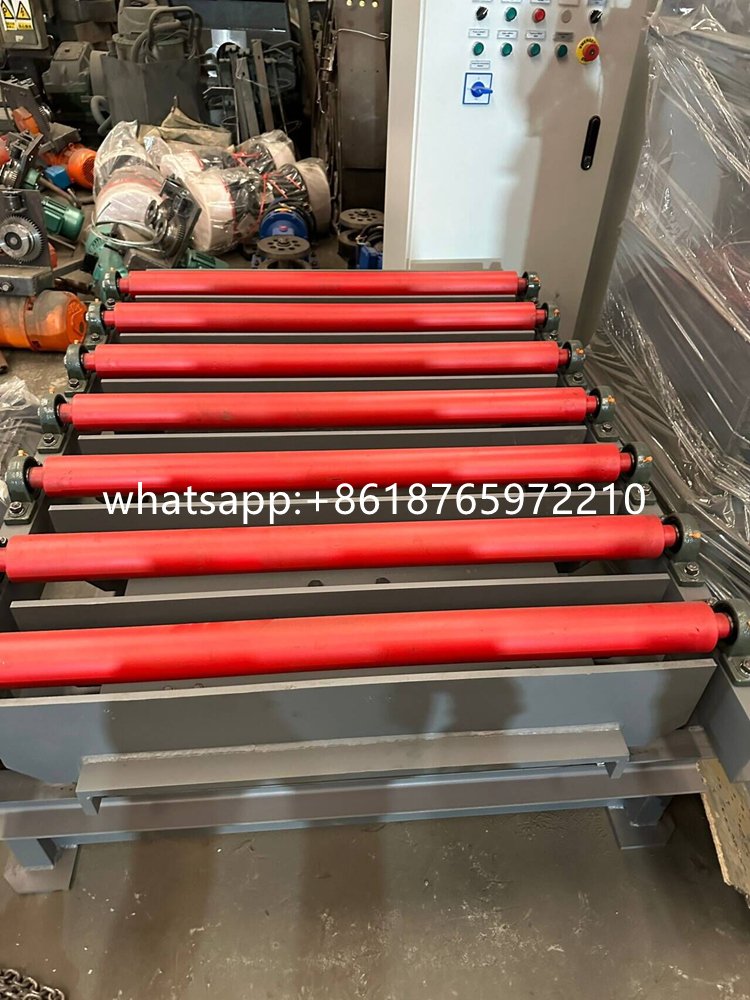
10. Why Choose Bestech for Your Customized Compaction Table?
Different foundries require different equipment configurations.
A standard vibration table may not satisfy the requirements of a large steel casting foundry, while a heavy-duty platform may be unnecessary for a small production workshop.
Bestech focuses on foundry machinery and customized sand preparation and molding equipment.
Our equipment configuration can be evaluated according to your actual production conditions.
Customized Equipment Solutions
1. Customized Platform Dimensions
Platform length, width, and working height can be evaluated according to your flask dimensions and factory layout.
2. Suitable Load Capacity
The supporting structure and vibration system are designed according to the combined operating weight.
3. Vibration System Configuration
Motor arrangement, excitation force, frequency, and vibration characteristics are selected according to the machine design and process requirements.
4. Flexible Control Options
Manual, timer-based, and PLC control configurations can be considered.
5. Production Line Integration
The compaction table can be designed to work with resin sand mixers, sand filling stations, and mold transfer equipment.
6. Engineering and Technical Support
Technical drawings, equipment specifications, installation guidance, and operating documentation can be discussed according to the project scope.
Suitable Applications
- Furan resin sand molding
- Phenolic no-bake sand molding
- Large iron casting production
- Steel casting foundries
- Industrial machinery casting
- Customized resin sand molding lines
The most suitable configuration should be determined through technical communication and engineering evaluation.
11. Frequently Asked Questions About Compaction Table Purchasing
Q1: How do I choose a reliable compaction table manufacturer?
Evaluate the manufacturer’s engineering capability, structural design, vibration system, customization experience, manufacturing inspection, technical documentation, and after-sales support.
Do not select a supplier based only on the lowest quotation.
Q2: Can a compaction table be customized according to flask dimensions?
Yes. Platform dimensions, working height, load capacity, vibration motor arrangement, and control configuration can be customized according to the actual application.
Q3: What information is required for a compaction table quotation?
The most important information includes flask dimensions, total mold weight, sand weight, required production capacity, sand type, and factory layout.
These details help the manufacturer calculate a suitable equipment configuration.
Q4: What is the difference between a vibration table and a resin sand compaction table?
Both terms are commonly used for equipment that applies mechanical vibration to help sand settle and pack inside a mold.
The term compaction table emphasizes its application in mold preparation.
Q5: Can the compaction table be integrated with a continuous resin sand mixer?
Yes. The equipment can be arranged with a continuous mixer and sand filling station to coordinate mixed sand discharge and mold compaction.
Q6: Is PLC control necessary?
Not every foundry needs PLC control.
Manual or timer control may be sufficient for simple applications. PLC control is more suitable when repeatable cycles and integration with other production equipment are required.
Q7: How do I determine the required motor power?
Motor power should be selected according to the total operating mass, vibration force, frequency, amplitude, and mechanical design.
The manufacturer should calculate the complete vibration system instead of selecting the motor based only on mold weight.
Q8: Can the equipment handle large and heavy sand molds?
Yes, provided the platform structure, rated load, vibration system, and supporting frame are properly designed for the actual operating conditions.
Q9: What documents should I request before shipment?
Recommended documents include general arrangement drawings, electrical diagrams, motor specifications, operating instructions, maintenance manuals, and agreed factory inspection records.
Q10: Can Bestech provide a complete no-bake resin sand molding solution?
Bestech can discuss customized equipment configurations covering resin sand mixing, compaction, and related sand preparation and mold handling equipment according to project requirements.
12. Request a Customized Compaction Table Quotation from Bestech
Looking for a reliable compaction table manufacturer for your resin sand molding line?
Choosing the right equipment starts with understanding your actual production requirements.
Whether you are upgrading an existing foundry workshop or building a new no-bake resin sand molding line, Bestech can help evaluate the appropriate platform dimensions, rated load, vibration configuration, and control system.
Send Your Technical Requirements for an Accurate Quotation
To help our engineering team recommend suitable equipment, please provide the following information.
| Project Information | Customer Requirements |
|---|---|
| Casting material | Cast iron / ductile iron / steel / other |
| Sand type | Furan / phenolic / other |
| Flask length | ___ mm |
| Flask width | ___ mm |
| Mold height | ___ mm |
| Total mold weight | ___ kg |
| Sand weight per mold | ___ kg |
| Maximum production capacity | ___ molds/hour |
| Required platform dimensions | ___ × ___ mm |
| Required load capacity | ___ kg |
| Vibration control | Manual / timer / PLC |
| Resin sand mixer capacity | ___ tons/hour |
| Conveyor requirement | Yes / No |
| Hydraulic lifting requirement | Yes / No |
| Factory power supply | ___ V / ___ Hz |
| Installation space | ___ × ___ mm |
Why Contact Bestech?
- Customized compaction table configurations
- Engineering-based equipment selection
- Heavy-duty platform design
- Flexible vibration control options
- Integration with resin sand mixing equipment
- Technical documentation and project support
Get Your Customized Compaction Table Solution Today.
Contact Bestech to discuss your mold dimensions, production capacity, and equipment requirements.
Request a Technical Proposal | Get Equipment Specifications | Discuss OEM & ODM Solutions
Build a more efficient and reliable resin sand molding process with equipment designed around your foundry’s actual production needs.