
In green sand molding production, sand preparation quality directly affects mold filling, compaction, and casting quality.
Even when a foundry uses a high-efficiency green sand mixer, the prepared sand may still contain loose agglomerates or unevenly distributed particles. If the sand is not properly conditioned before entering the molding machine, it may flow unevenly around the pattern and affect mold consistency.
This is where a Sand Aerator for Green Sand Molding becomes important.
A sand aerator is designed to mechanically loosen and separate prepared molding sand, helping improve its flowability and making it easier to distribute during the molding process.
For foundries operating automatic molding lines, high-pressure molding machines, or conventional green sand systems, a properly configured aerator can help improve sand handling and support more consistent mold production.
However, many foundry buyers still have questions:
- What exactly does a sand aerator do?
- Why is it installed after a green sand mixer?
- How does sand aeration improve flowability?
- What is the difference between single-rotor and double-rotor aerators?
- How should the equipment capacity match the molding line?
- How can a foundry select a reliable sand aerator manufacturer?
This article explains the working principle, equipment structure, technical parameters, production advantages, and selection considerations of industrial sand aerators.
1. What Is a Sand Aerator in Green Sand Molding?
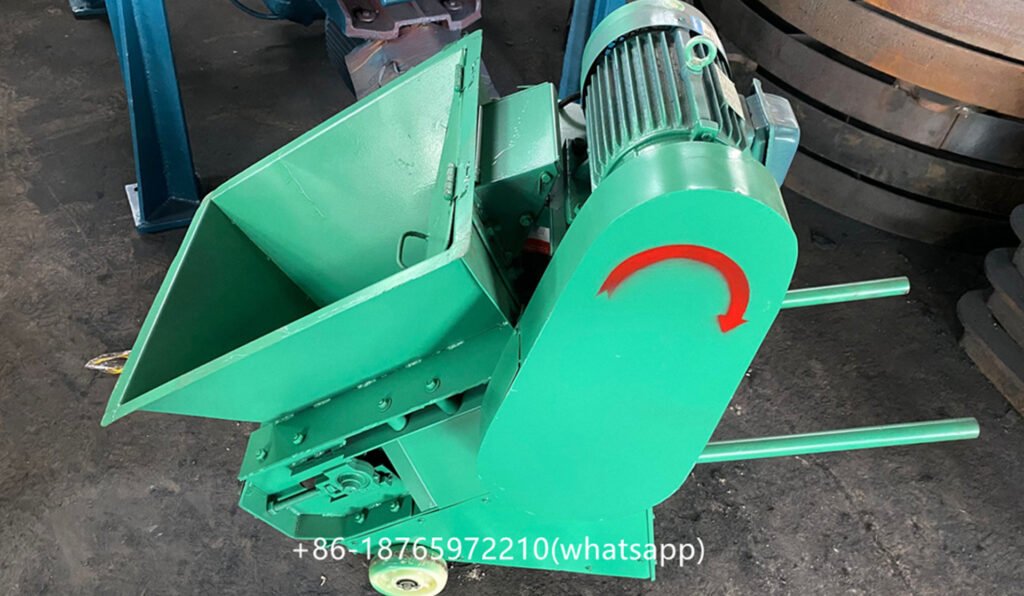
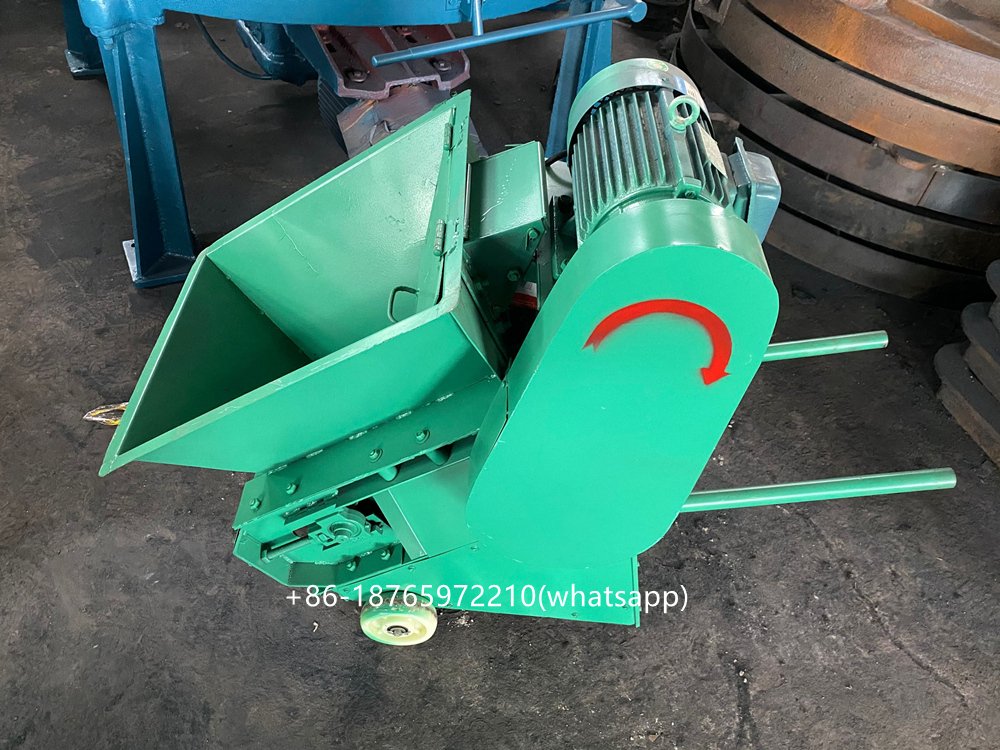
A sand aerator is a mechanical conditioning machine installed in a foundry sand preparation system.
Its main function is to loosen, separate, and aerate prepared green molding sand before it enters the molding machine.
During mixing, sand grains, bentonite clay, water, and other additives are thoroughly blended to form a workable molding sand mixture.
However, after mixing, the sand may contain agglomerates or compacted areas that affect its flow characteristics.
A mechanical sand aerator uses rotating paddles, fingers, rods, or impact elements to loosen the prepared sand and improve its flowability.
The process helps sand particles move more freely and distributes the sand more evenly before molding.
Main Components of a Sand Aerator
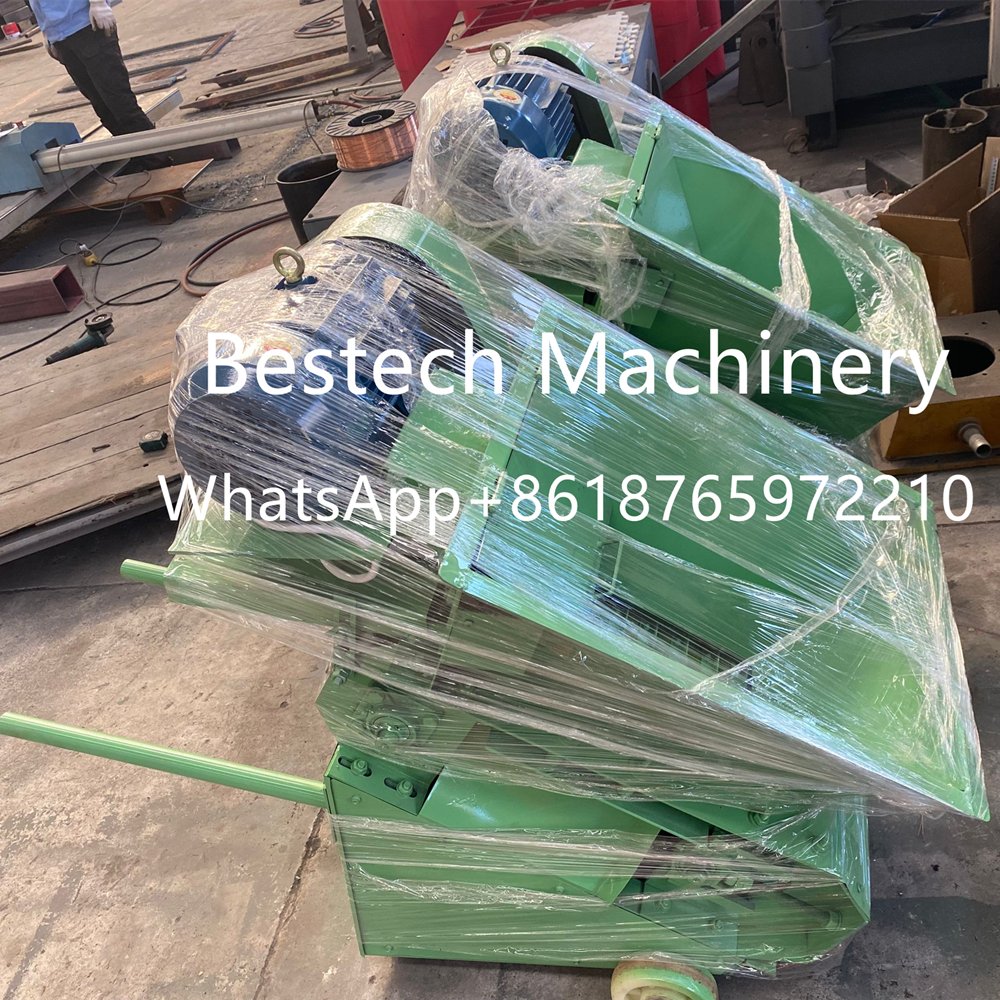
A typical industrial sand aerator consists of:
- Heavy-duty steel casing
- Sand feeding hopper
- Rotating shaft assembly
- Aeration paddles or combing fingers
- Electric drive motor
- Transmission system
- Sand discharge outlet
- Supporting frame
- Safety guards
- Electrical control system
Depending on the production requirements, the equipment can be configured with a single rotor or double rotors.
Some designs are installed independently, while others are directly connected to the discharge outlet of a green sand mixer.
What Does a Sand Aerator Actually Improve?
The main objective is to improve the physical handling characteristics of prepared molding sand.
Typical improvements include:
- Breaking up loose sand agglomerates.
- Reducing compacted sand masses.
- Improving sand flowability.
- Supporting more uniform sand distribution.
- Helping maintain consistent sand feeding to the molding machine.
Mechanical aeration should not be confused with drying, cooling, or adding water to the sand. These are separate operations with different equipment and process requirements.
2. Why Is a Sand Aerator Essential for Green Sand Molding Production?
Green sand molding requires a stable sand mixture with suitable moisture, compactability, permeability, and strength.
Even when the sand formulation is correct, poor sand handling can affect the molding process.
A sand aerator helps address this problem between sand mixing and mold filling.
2.1 Improve Green Sand Flowability
Flowability is an important characteristic of molding sand.
Sand should move smoothly from the feeding system into the flask and around the pattern.
If the prepared sand contains compacted masses or agglomerates, it may not distribute evenly.
Mechanical aeration loosens the sand and helps it flow more freely.
This is particularly useful for automatic molding lines where stable sand feeding is important.
2.2 Break Up Sand Agglomerates
During green sand preparation, moisture and clay bind the sand grains together.
This is necessary for mold strength, but excessive or uneven agglomeration can affect sand handling.
A sand aerator uses mechanical action to separate loose agglomerates and improve the physical condition of the prepared sand.
It helps create a more uniform sand flow before molding.
Important: An aerator is not a substitute for a properly designed sand mixer. Large hard lumps caused by incorrect mixing, excessive moisture, or foreign materials should be investigated at their source.
2.3 Improve Sand Distribution During Mold Filling
Uneven sand feeding can result in inconsistent filling conditions.
When sand flows more freely, the molding machine can receive a more consistent supply of prepared sand.
This supports more stable filling around patterns and helps reduce problems associated with poor sand distribution.
2.4 Support Consistent Mold Production
For automatic green sand molding lines, production consistency is essential.
Unstable sand flow may cause fluctuations in filling conditions and affect the repeatability of molding operations.
A properly selected sand aerator helps stabilize the sand conditioning and feeding stage.
2.5 Reduce Production Interruptions
Sand agglomerates and poor flowability can interfere with feeding systems, hoppers, and automatic molding operations.
Mechanical aeration helps reduce loose clumps before the sand enters downstream equipment.
This can help reduce feeding interruptions and unnecessary manual intervention.
2.6 Improve the Overall Sand Preparation Process
A sand aerator provides an additional conditioning stage between mixing and molding.
This allows foundries to coordinate the sand preparation process more effectively.
For production lines with high sand consumption, a properly sized aerator can help maintain a more stable material flow.
3. How Does an Industrial Sand Aerator Work?
The working principle of a mechanical sand aerator is relatively simple.
It uses mechanical rotation and impact to loosen the prepared molding sand.
Working Process
Step 1: Sand Feeding
Prepared green sand is discharged from the green sand mixer or supplied through a conveyor into the aerator.
Step 2: Mechanical Aeration
The rotating shaft drives paddles, rods, or combing fingers at the designed operating speed.
These components mechanically separate and loosen the sand.
Step 3: Sand Particle Separation
As the sand moves through the aeration chamber, loose agglomerates are broken down and the sand becomes more free-flowing.
Step 4: Uniform Discharge
The conditioned sand is discharged through the outlet and supplied to the next production stage.
Step 5: Molding Operation
The aerated sand enters the molding machine or sand distribution system for mold filling and compaction.
Typical Production Flow
Green Sand Mixer → Sand Aerator → Sand Hopper / Conveyor → Molding Machine → Mold Production
Why Is Installation After the Mixer Important?
The mixer is responsible for preparing the molding sand by blending sand, clay, water, and additives.
The aerator performs a different function: it loosens and conditions the prepared sand for downstream handling.
Installing the aerator after the mixer helps ensure that sand is conditioned before entering the molding process.
The exact installation position depends on the production line layout and the design of the feeding system.
4. Single-Rotor vs. Double-Rotor Sand Aerator: Which Is Better?
When selecting a sand aerator, one important consideration is the rotor configuration.
Different foundries have different sand throughput requirements and production layouts.
Single-Rotor Sand Aerator
A single-rotor sand aerator uses one rotating shaft equipped with aeration paddles or fingers.
Main characteristics:
- Simple mechanical structure
- Compact equipment arrangement
- Lower mechanical complexity
- Suitable for various conventional green sand systems
- Convenient installation and maintenance
It is a practical choice for foundries requiring basic mechanical sand aeration.
Double-Rotor Sand Aerator
A double-rotor sand aerator uses two rotating assemblies to improve sand movement and conditioning.
The first rotor helps move and loosen the sand, while the second rotor provides additional mechanical aeration.
Main characteristics:
- Two-stage mechanical conditioning
- Improved sand movement through the chamber
- Suitable for applications requiring more intensive aeration
- Flexible configuration for different sand throughput requirements
Double-rotor designs are often considered for foundries with demanding sand conditioning requirements.
Comparison Table
| Comparison | Single-Rotor | Double-Rotor |
|---|---|---|
| Rotor quantity | One | Two |
| Mechanical structure | Simpler | More complex |
| Aeration stages | One | Two |
| Installation space | Generally smaller | May require more space |
| Maintenance | Relatively simple | More components to inspect |
| Application | Conventional sand conditioning | More intensive sand conditioning |
| Capacity | Depends on design | Depends on design |
| Selection basis | Sand flow and production demand | Sand flow and production demand |
Engineering recommendation:
Do not assume that a double-rotor aerator is always better.
The correct configuration should be selected according to sand throughput, sand condition, mixer output, available installation space, and the required degree of conditioning.
5. Technical Parameters of an Industrial Green Sand Aerator
For foundry equipment buyers, selecting the correct technical specifications is essential.
A sand aerator should be matched to the output of the green sand mixer and the sand consumption of the molding machine.
The following parameters should be confirmed before purchasing.
Main Technical Specification Table
| Technical Parameter | Description | Selection Consideration |
|---|---|---|
| Equipment model | Machine identification | According to manufacturer design |
| Rotor configuration | Single or double rotor | Based on aeration requirements |
| Processing capacity | Sand throughput (t/h) | Match mixer output and molding demand |
| Motor power | Installed motor power (kW) | According to rotor design and load |
| Rotor speed | Rotational speed (r/min) | According to sand characteristics |
| Rotor diameter | Working rotor dimensions (mm) | According to chamber design |
| Aeration chamber | Internal working dimensions | According to throughput |
| Feeding height | Sand inlet height (mm) | According to mixer outlet |
| Discharge height | Sand outlet height (mm) | According to conveyor or hopper |
| Overall dimensions | Machine length × width × height | According to factory layout |
| Drive system | Motor and transmission | According to equipment configuration |
| Control system | Manual / automatic | According to production line |
| Installation method | Independent / integrated | According to layout |
How to Match Sand Aerator Capacity with Mixer Output?
This is one of the most important equipment selection considerations.
For example, if a green sand mixer supplies a certain quantity of prepared sand per hour, the aerator should be capable of handling the required continuous throughput without creating a bottleneck.
The basic matching principle is:
Required Aerator Throughput ≥ Actual Downstream Sand Demand
The final selection should also consider:
- Peak mixer discharge rate
- Operating hours
- Sand buffer capacity
- Molding machine consumption
- Production cycle
- Possible fluctuations in sand supply
Do not select an aerator based only on the average sand consumption if the production line has significant peak-load requirements.
Important Engineering Considerations
1. Rotor Speed
Rotor speed affects the mechanical action on the sand.
Excessive speed may increase unnecessary impact and wear, while insufficient speed may not provide the required conditioning effect.
2. Rotor Structure
The shape, arrangement, and spacing of the paddles or fingers influence sand movement through the aeration chamber.
3. Motor Power
Motor power should be selected according to the rotor design, material loading, and required operating conditions.
4. Chamber Design
The chamber should provide sufficient space for the sand to move through the aeration process without unnecessary accumulation.
5. Discharge Arrangement
The outlet should match the downstream conveyor, hopper, or molding machine feeding system.
Parameter note: There is no universal motor power, rotor speed, or processing capacity suitable for all green sand aerators. Final specifications should be supplied by the manufacturer according to the required throughput and actual sand properties.
6. What Green Sand Properties Should Be Controlled Before and After Aeration?
A sand aerator improves physical sand handling, but it does not independently determine the chemical and mechanical properties of green sand.
Foundries should continue monitoring the main sand quality indicators.
Important Green Sand Quality Parameters
| Sand Property | Why It Matters | Common Control Method |
|---|---|---|
| Moisture content | Influences clay bonding and workability | Moisture testing |
| Compactability | Indicates how sand responds to compaction | Compactability tester |
| Green compression strength | Indicates mold strength | Green compression tester |
| Permeability | Indicates gas flow through the mold | Permeability tester |
| Clay content | Affects bonding and sand behavior | Clay content testing |
| Grain size distribution | Influences packing and surface characteristics | Sieve analysis |
| Loss on ignition | Helps monitor combustible material content | LOI testing |
The Silica and Moulding Sands Association identifies moisture, permeability, and green compression strength as important green sand properties. Moisture control is especially important because changes in moisture can affect several other sand characteristics.
Why Is Compactability Important?
Compactability is one of the most useful indicators for controlling green sand preparation.
It reflects how the sand responds to applied compaction.
If compactability fluctuates, the foundry may experience changes in mold hardness, density, and dimensional consistency.
Research and foundry technical guidance also emphasize the relationship between compactability, moisture, permeability, and green strength.
The aerator should therefore be used as part of an overall sand quality control system, not as a replacement for laboratory testing.
7. How Does a Sand Aerator Improve Automatic Green Sand Molding Efficiency?
Modern foundries increasingly use automatic molding machines to improve production capacity and reduce manual operations.
However, automatic molding equipment requires stable sand supply and consistent material characteristics.
A sand aerator helps prepare the mixed sand for this downstream process.
Better Sand Feeding
Loosened sand can move more freely through the feeding system.
This helps reduce problems associated with uneven sand discharge.
More Stable Molding Operations
Consistent sand feeding supports repeatable filling conditions and reduces unnecessary interruptions.
Better Production Coordination
The aerator connects the sand mixing stage with the molding stage.
It helps coordinate the material flow between two important production processes.
Support for High-Pressure Molding Lines
For high-pressure molding applications, stable sand preparation and feeding are especially important.
The aerator can be arranged before the sand hopper or feeding system, according to the molding machine manufacturer’s requirements.
Improve Equipment Utilization
When sand preparation and feeding operate smoothly, the foundry can reduce unnecessary waiting time between production stages.
This helps improve the utilization of the complete molding line.
8. Common Problems and Troubleshooting of Sand Aerators
Like other foundry machinery, a sand aerator requires regular inspection and maintenance.
The following table covers common operating problems and recommended solutions.
| Common Problem | Possible Cause | Recommended Solution |
|---|---|---|
| Poor sand aeration | Rotor speed or mechanical action unsuitable | Check rotor operation and configuration |
| Sand accumulation inside chamber | Excessive feeding or restricted discharge | Check feeding rate and outlet |
| Abnormal vibration | Rotor imbalance or loose fasteners | Inspect rotor and mounting components |
| Abnormal operating noise | Bearing wear or mechanical contact | Inspect bearings and internal clearance |
| Motor overheating | Overload or electrical problems | Check material loading and motor current |
| Reduced processing capacity | Blocked inlet or outlet | Clean feeding and discharge sections |
| Excessive wear of paddles | Abrasive sand and prolonged operation | Inspect and replace worn components |
| Uneven sand discharge | Unstable feeding or rotor condition | Check feed distribution and rotor operation |
Recommended Maintenance Checklist
Daily Inspection
- Check motor operation.
- Inspect abnormal noise and vibration.
- Check the sand inlet and discharge outlet.
- Remove accumulated sand where necessary.
- Confirm safety guards are installed.
Weekly Inspection
- Check rotor and paddle condition.
- Inspect mounting bolts.
- Check transmission components.
- Inspect the discharge arrangement.
- Check electrical connections.
Periodic Maintenance
- Inspect bearing condition.
- Check rotor shaft alignment.
- Replace worn aeration components.
- Inspect casing wear.
- Verify motor and control system operation.
Always disconnect and isolate the electrical power before opening the machine for maintenance.
9. How to Choose the Right Sand Aerator Manufacturer?
Choosing a suitable sand aerator manufacturer is important for maintaining stable green sand production.
A professional supplier should understand not only the equipment structure but also the complete foundry sand preparation process.
Before purchasing, evaluate the following factors.
9.1 Foundry Equipment Experience
The manufacturer should understand green sand preparation, mixing, aeration, and molding processes.
This helps ensure that the proposed equipment matches the actual application.
9.2 Customized Processing Capacity
The machine should be selected according to the actual sand throughput rather than an assumed standard capacity.
9.3 Reliable Rotor Design
The rotor shaft, paddles, bearings, and drive system should be designed for continuous foundry operation.
9.4 Suitable Material Selection
Green molding sand contains abrasive particles.
Wear-resistant materials and replaceable wear components can help reduce maintenance requirements.
9.5 Production Line Integration
The aerator should connect properly with:
- Green sand mixer
- Sand conveyor
- Storage hopper
- Molding machine
- Automatic sand feeding system
9.6 Manufacturing Inspection
Ask the manufacturer about:
- Rotor assembly inspection
- Motor testing
- Electrical control inspection
- No-load running tests
- Mechanical noise and vibration checks
- Factory acceptance testing
9.7 After-Sales Technical Support
Confirm the availability of:
- Installation guidance
- Operation manuals
- Maintenance instructions
- Spare parts
- Technical assistance
- Warranty conditions
A suitable supplier should provide a complete technical solution rather than simply selling a standalone machine.
10. How to Integrate a Sand Aerator into a Green Sand Production Line?
A sand aerator is normally installed between the mixing equipment and the molding machine.
Its position should be designed according to the production layout and sand transfer method.
Typical Green Sand Production Process
- Used sand is collected from the shakeout system.
- The sand is transported to the reclamation and conditioning section.
- Sand is screened and cooled where required.
- New sand, bentonite, water, and additives are supplied according to the formulation.
- A green sand mixer thoroughly mixes the materials.
- Prepared green sand enters the sand aerator.
- Aerated sand is transferred to the storage hopper or molding machine.
- The molding machine fills and compacts the sand around the pattern.
- Finished molds move to the pouring and casting stages.
Recommended Equipment Configuration
A complete green sand preparation line may include:
- Sand shakeout system
- Sand screening equipment
- Sand cooling system
- Sand storage hopper
- Automatic batching system
- Green sand mixer
- Sand aerator
- Sand conveyor
- Molding machine
- Dust collection system
Why Is System Integration Important?
If the mixer capacity is higher than the aerator capacity, sand may accumulate upstream.
If the aerator discharge rate is lower than the molding machine’s demand, the molding process may experience unstable sand supply.
Therefore, all equipment should be matched according to actual production capacity.
For new foundry projects, the complete sand preparation layout should be evaluated before equipment manufacturing.
11. International Standards and Technical References for Green Sand Aerator Equipment
When selecting industrial foundry equipment, buyers should consider both machinery safety and green sand quality control.
The following standards and technical references are relevant.
EN 710 – Safety Requirements for Foundry Moulding Machinery
EN 710 provides safety requirements for foundry molding machinery and related equipment.
Its terminology includes sand aerators, including belt aerators and wheel aerators.
This is a useful reference when reviewing the equipment category and machinery safety requirements.
ISO 12100:2010 – Safety of Machinery
ISO 12100 provides general principles for machinery risk assessment and risk reduction.
It is relevant to identifying potential mechanical hazards, selecting protective measures, and establishing safe operating procedures.
ISO 23062:2022 – Foundry Machinery Safety Requirements
ISO 23062 covers safety requirements for molding and coremaking machinery and associated equipment.
It provides an important safety reference for foundry machinery installations.
IEC 60204-1 – Electrical Equipment of Machines
IEC 60204-1 covers electrical equipment requirements for machinery, including electrical protection, control circuits, and machine wiring.
Foundry Sand Testing References
Green sand quality should also be evaluated through recognized foundry testing procedures.
Important tests include:
- Moisture content
- Compactability
- Green compression strength
- Permeability
- Clay content
- Grain fineness and sieve analysis
- Loss on ignition
AFS green sand testing procedures are widely used in foundry quality control. The Silica and Moulding Sands Association also provides technical explanations of these properties and their influence on molding performance.
Important: Machinery safety standards do not specify one universal sand aerator motor power, rotor speed, or processing capacity. These values must be determined according to equipment design and production requirements.
12. Why Choose Bestech for Your Green Sand Aerator Solution?
Different foundries have different sand consumption rates, molding machine configurations, and production layouts.
A standard aerator may not be suitable for every production line.
Bestech focuses on foundry machinery and sand preparation equipment, providing equipment solutions according to actual customer requirements.
Customized Sand Aerator Configurations
Single-Rotor Sand Aerator
Suitable for conventional green sand conditioning applications requiring mechanical loosening and improved sand flowability.
Double-Rotor Sand Aerator
Can be considered for applications requiring additional mechanical sand conditioning and customized throughput.
Customized Feeding and Discharge Arrangements
Equipment inlet and outlet positions can be evaluated according to the existing mixer and conveyor layout.
Matched Processing Capacity
The aerator can be selected according to the green sand mixer’s output and downstream molding machine requirements.
Foundry Production Line Integration
The equipment can be considered as part of a complete green sand preparation system.
What Can Bestech Help You Evaluate?
- Sand aerator model selection
- Single-rotor or double-rotor configuration
- Processing capacity
- Motor power
- Rotor speed
- Installation dimensions
- Feeding and discharge height
- Conveyor integration
- Electrical control arrangement
- Customized production line layout
The final configuration should be confirmed through technical communication and engineering evaluation.
13. Frequently Asked Questions About Green Sand Aerators
Q1: What is the main function of a sand aerator?
A sand aerator mechanically loosens and separates prepared green molding sand, helping improve its flowability before it enters the molding machine.
Q2: Why is a sand aerator installed after a green sand mixer?
The mixer prepares the sand by blending sand, clay, water, and additives. The aerator performs an additional conditioning operation to loosen the prepared sand before molding.
Q3: Does a sand aerator improve green sand quality?
It can improve physical sand handling and flowability. However, it does not independently control moisture, clay content, green strength, or permeability. These properties must be managed through proper sand preparation and testing.
Q4: What is the difference between a single-rotor and double-rotor sand aerator?
A single-rotor machine uses one rotating assembly for mechanical aeration. A double-rotor machine uses two rotating assemblies to provide additional sand movement and conditioning.
The correct choice depends on production requirements and sand characteristics.
Q5: Can a sand aerator break up hard sand lumps?
It can loosen and break up relatively soft agglomerates. Large hard lumps caused by excessive moisture, incorrect mixing, or foreign materials should be investigated and handled by suitable screening or lump-breaking equipment.
Q6: What is the suitable processing capacity of a sand aerator?
The required capacity depends on the output of the green sand mixer and the sand consumption of the molding machine. The equipment should be selected to meet peak production demand.
Q7: Can a sand aerator be connected directly to a green sand mixer?
Yes. Depending on the equipment design, it can be installed directly at the mixer outlet or connected through a conveyor system.
Q8: Does a sand aerator add air into green sand?
A mechanical sand aerator mainly uses rotating mechanical components to loosen and separate sand. This is different from pneumatic aeration systems that use controlled low-pressure air to fluidize molding sand.
Q9: What information is required to purchase a sand aerator?
Important information includes sand throughput, mixer capacity, molding machine model, installation space, feeding height, discharge height, and the required rotor configuration.
Q10: Can Bestech customize a sand aerator for an existing green sand production line?
Yes. The equipment dimensions, feeding and discharge arrangements, rotor configuration, and drive system can be evaluated according to the existing production layout.
14. Looking for a Reliable Sand Aerator Manufacturer for Your Green Sand Molding Production Line?
Choosing the right sand aerator is an important step in improving green sand preparation and molding efficiency.
A properly designed mechanical aeration system helps loosen prepared sand, improve flowability, reduce loose agglomerates, and support more consistent sand feeding.
However, the best equipment configuration depends on the sand throughput, mixer capacity, molding machine requirements, rotor design, and factory layout.
Bestech provides customized foundry sand preparation and molding equipment solutions according to actual production requirements.
Whether you need an independent single-rotor sand aerator, a double-rotor configuration, or a complete green sand preparation line, our engineering team can help evaluate a suitable solution.
Request a Customized Sand Aerator Quotation
To help us recommend the right equipment, please provide the following information.
| Required Information | Customer Requirements |
|---|---|
| Foundry casting material | Cast iron / ductile iron / steel |
| Sand type | Green molding sand |
| Sand throughput | ___ tons/hour |
| Green sand mixer model | ___ |
| Green sand mixer capacity | ___ tons/hour |
| Molding machine model | ___ |
| Aerator configuration | Single rotor / double rotor / recommendation |
| Feeding height | ___ mm |
| Discharge height | ___ mm |
| Installation space | ___ × ___ × ___ mm |
| Motor power supply | ___ V / ___ Hz |
| Conveyor requirement | Yes / No |
| Automatic control requirement | Yes / No |
| Existing production line | New project / equipment upgrade |
Why Contact Bestech?
- Customized foundry sand preparation equipment
- Single-rotor and double-rotor configurations
- Technical parameter matching
- Flexible equipment installation arrangements
- Green sand mixer integration
- Engineering support for complete production lines
Looking for a Sand Aerator for Your Foundry?
Contact Bestech today to discuss your green sand preparation requirements.
Get a Technical Proposal | Request Equipment Specifications | Discuss OEM & ODM Solutions
Improve green sand flowability and support more stable molding production with a sand aerator designed for your actual foundry requirements.