
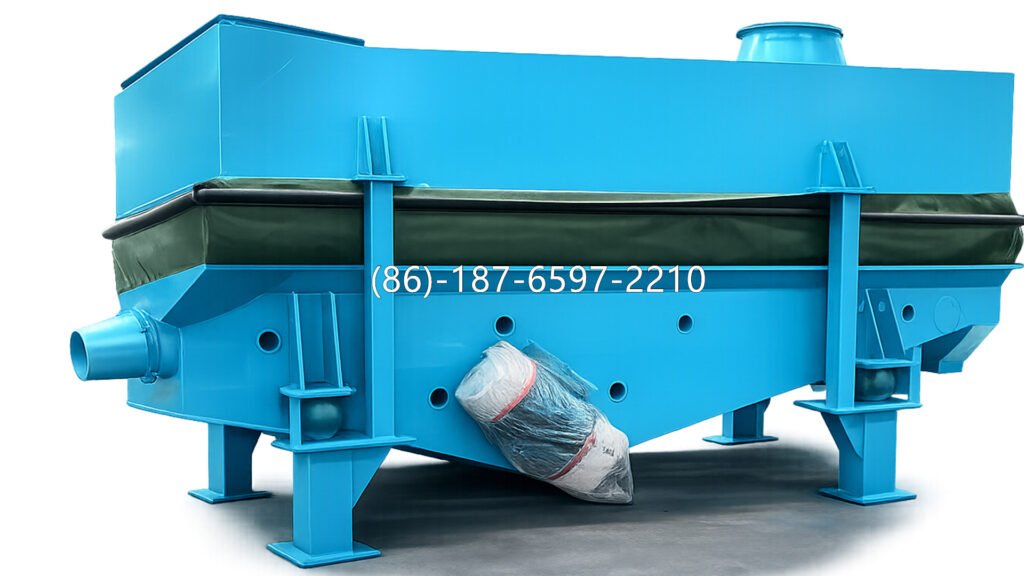
Improve Sand Quality, Stabilize Molding Performance, and Reduce Foundry Operating Costs
Hot Reclaimed Sand Is Costing Your Foundry More Than You Think
Many foundries continuously invest in:
- Automatic molding lines
- High-efficiency sand mixers
- Sand reclamation systems
- Intelligent process controls
Yet they still experience:
❌ Unstable mold hardness
❌ High moisture fluctuations
❌ Reduced compactability
❌ Inconsistent sand properties
❌ Increased casting defects
The hidden cause is often overlooked:
Excessively hot return sand.
After shakeout and reclamation, molding sand temperatures frequently reach:
60°C–120°C
When this hot sand enters the sand preparation process, it directly affects:
- Bentonite activation
- Moisture control
- Sand mixing efficiency
- Mold quality
The result is unstable production and higher operating costs.
This is why leading foundries are adopting the Foundry Sand Reclamation Boiling Cooling Bed as a critical component of modern sand processing systems.
What Is a Foundry Sand Reclamation Boiling Cooling Bed?
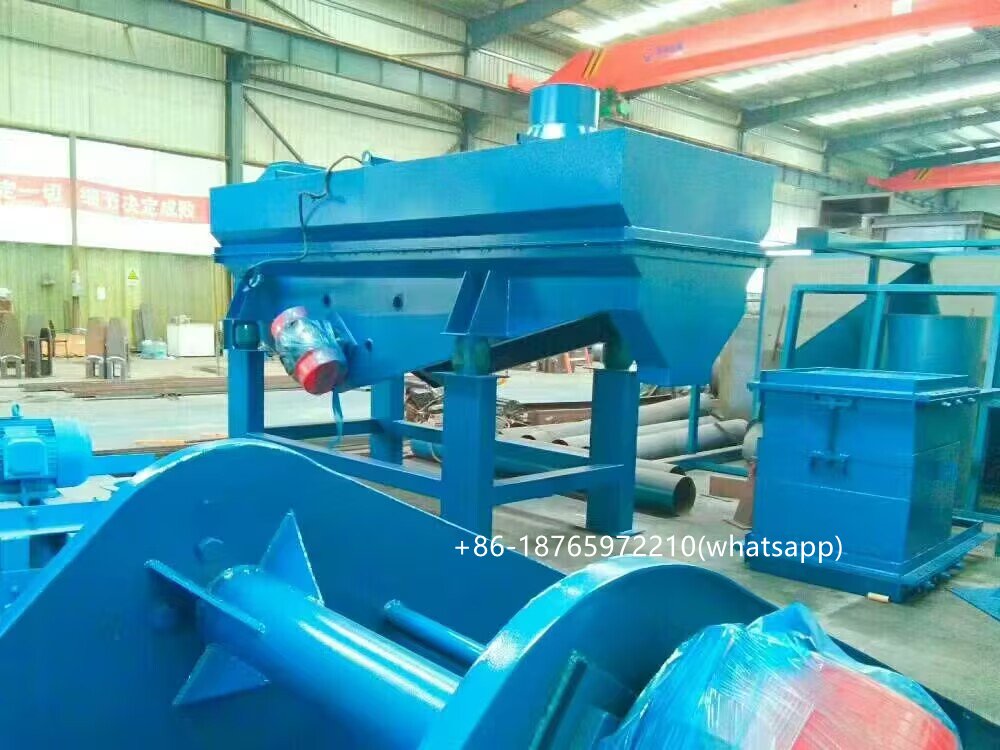
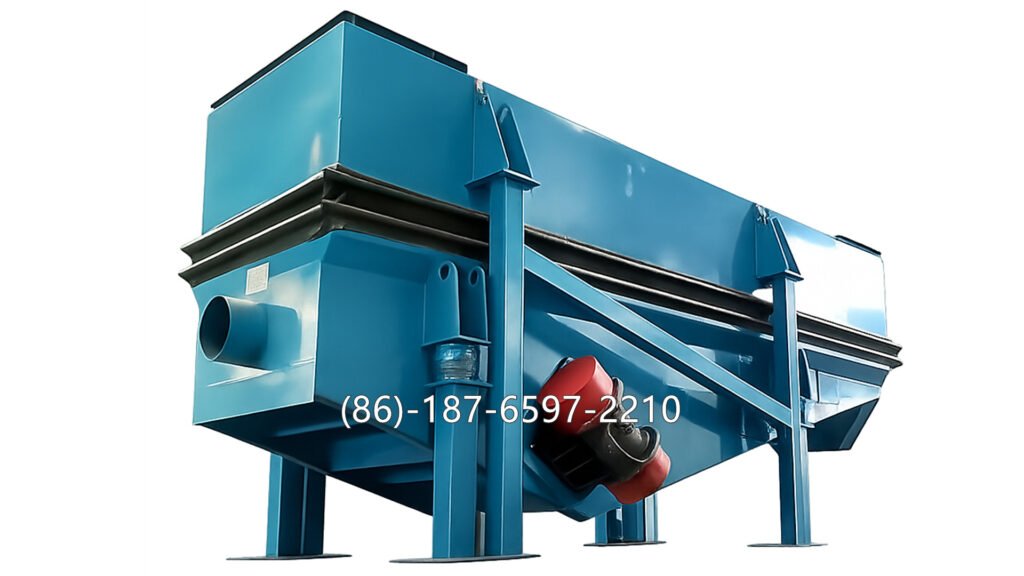
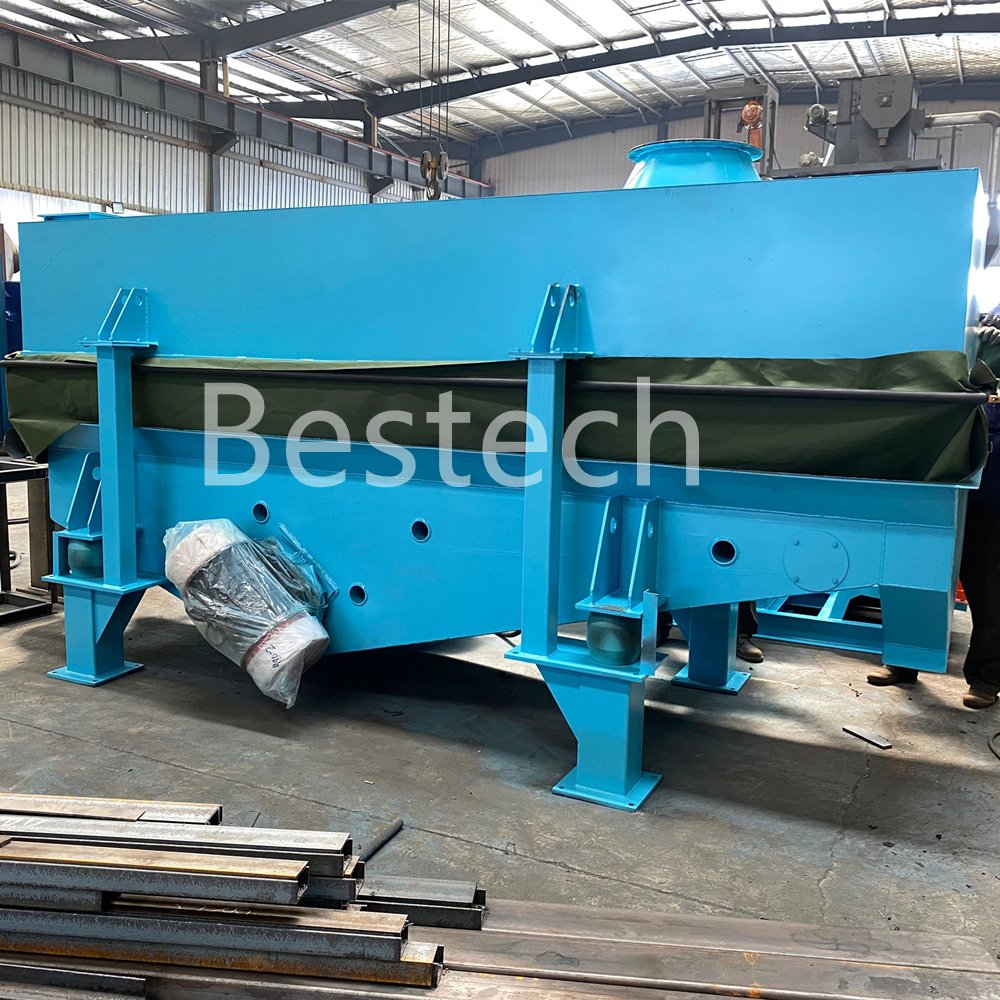
Boiling Cooling Bed, also called a Fluidized Sand Cooling System, is a highly efficient cooling device designed to rapidly reduce reclaimed sand temperature before it enters the mixing process.
The system utilizes:
- Fluidization technology
- Forced-air cooling
- Continuous material movement
to achieve rapid and uniform temperature reduction.
At the same time, it helps improve:
✔ Sand quality
✔ Sand recovery efficiency
✔ Process stability
✔ Production consistency
Why Sand Cooling Is Critical for Modern Foundries
Many foundries focus on reclaiming sand but overlook temperature control.
However, sand temperature directly affects:
Molding Sand Performance
- Compactability
- Green strength
- Flowability
- Permeability
Casting Quality
- Surface finish
- Dimensional accuracy
- Defect rates
- Yield rates
Production Efficiency
- Mixing consistency
- Moisture control
- Process stability
Without proper cooling, reclaimed sand can become a major source of quality variation.
How the Boiling Cooling Bed Works
Step 1: Hot Sand Feeding
Reclaimed sand enters the cooling bed from:
- Shakeout systems
- Sand reclamation plants
- Return sand conveyors
Typical inlet temperatures range from:
60°C to 120°C
Step 2: Fluidized Air Distribution
A specially designed air distribution plate injects controlled airflow through the sand layer.
The sand particles become suspended and behave like a boiling liquid.
This creates:
- Uniform mixing
- Maximum heat transfer
- Efficient cooling
Step 3: Rapid Heat Exchange
Large volumes of air remove heat from every sand particle.
Benefits include:
- Uniform temperature reduction
- Faster cooling times
- Stable outlet temperatures
Step 4: Dust Removal
Integrated dust collection systems remove:
- Fine dust
- Airborne contaminants
- Sand fines
This improves both environmental performance and sand quality.
Step 5: Sand Discharge
The cooled sand is discharged and transferred to:
- Sand storage silos
- Sand mixers
- Automatic molding lines
ready for reuse.
Technical Parameters
| Item | Specification |
|---|---|
| Processing Capacity | 5–120 T/H |
| Inlet Sand Temperature | 60–120°C |
| Outlet Sand Temperature | ≤35–40°C |
| Cooling Efficiency | 20–90°C Reduction |
| Air Consumption | 2,000–25,000 m³/h |
| Fluidization Method | Forced Air Fluidization |
| Dust Collection | Pulse Jet Dust Collector |
| Control System | PLC Automatic Control |
| Operating Mode | Continuous |
Customized capacities are available according to production requirements.
Key Advantages of a Boiling Cooling Bed System
1. Rapid and Uniform Sand Cooling
Unlike natural cooling methods, fluidized cooling ensures:
✅ Faster temperature reduction
✅ Uniform cooling
✅ Stable sand conditions
This improves the overall performance of the molding process.
2. Improve Sand Recovery Quality
Stable sand temperature helps maintain:
- Sand grain integrity
- Moisture control accuracy
- Consistent reclaim quality
This increases the value of reclaimed sand.
3. Reduce Casting Defects
Properly cooled sand contributes to:
- Better mold strength
- Improved compactability
- Reduced gas defects
- Improved casting surfaces
Result:
Higher casting acceptance rates.
4. Lower Operating Cost
Optimized airflow design reduces:
- Energy consumption
- Cooling time
- Maintenance costs
Many foundries report significant savings after installation.
5. Ideal for Automated Foundries
The system integrates seamlessly with:
- Automatic molding lines
- Green sand plants
- Sand reclamation systems
- Intelligent foundry operations
allowing fully continuous production.
Typical Applications
The Boiling Cooling Bed is widely used in:
Gray Iron Foundries
For cooling return sand and reclaimed sand.
Ductile Iron Foundries
Maintaining consistent molding conditions.
Automotive Casting Plants
Supporting high-volume production.
Machinery Casting Manufacturers
Reducing process variation and scrap rates.
Large Automated Sand Plants
Improving system-wide sand quality.
Boiling Cooling Bed vs Traditional Sand Cooling
| Feature | Boiling Cooling Bed | Natural Cooling |
| Cooling Speed | Very Fast | Slow |
| Temperature Consistency | Excellent | Poor |
| Floor Space Required | Small | Large |
| Automation Compatibility | Excellent | Limited |
| Operating Stability | High | Variable |
| Production Efficiency | High | Low |
For modern foundries, fluidized cooling technology delivers superior performance and faster ROI.
Common Problems Solved by a Sand Cooling Bed
Hot Sand Entering Mixers
Solution:
Rapid cooling before sand preparation.
Inconsistent Moisture Control
Solution:
Stable sand temperatures improve water addition accuracy.
Poor Mold Hardness
Solution:
Consistent sand conditions improve mold quality.
High Scrap Rates
Solution:
Better molding sand leads to fewer casting defects.
Why Foundries Choose Our Boiling Cooling Bed System
Advanced Fluidization Technology
Ensures uniform cooling throughout the entire sand bed.
Energy-Efficient Design
Optimized airflow minimizes energy consumption.
Heavy-Duty Construction
Designed for continuous industrial operation.
Intelligent PLC Control
Features include:
- Automatic temperature monitoring
- Airflow adjustment
- Fault diagnosis
- Data recording
Customized Engineering Solutions
Every foundry has unique:
- Sand temperatures
- Production capacities
- Plant layouts
Our engineers design tailored systems that maximize performance and ROI.
Frequently Asked Questions
What outlet sand temperature can be achieved?
Most systems deliver:
≤35–40°C
depending on ambient conditions and production requirements.
Can the system handle large capacities?
Yes.
Custom systems can process:
Up to 120 T/H or more.
Is the cooling bed suitable for automated molding lines?
Absolutely.
It is widely integrated into modern automated sand preparation systems.
How much energy can be saved?
Many foundries achieve:
15–30% reduction in sand preparation operating costs
through optimized cooling and moisture control.
A Small Upgrade That Creates Major Foundry Savings
Many foundries focus on mixers, molding machines, and automation.
But stable sand temperature is one of the most important factors influencing:
✅ Sand quality
✅ Casting quality
✅ Production stability
✅ Operating costs
A Foundry Sand Reclamation Boiling Cooling Bed helps transform hot reclaimed sand into a valuable production resource while supporting higher productivity and profitability.
Request Your Customized Sand Cooling Solution Today
Looking for a reliable Foundry Sand Reclamation Boiling Cooling Bed System?
Our engineering team provides:
Free Technical Services
✔ Sand temperature analysis
✔ Cooling capacity calculation
✔ Layout planning
✔ Equipment selection
✔ ROI evaluation
Contact Us Today For:
✔ Detailed Quotation
✔ Customized Engineering Proposal
✔ Sand Cooling Optimization Plan
✔ Production Line Layout Design
Send us your:
- Foundry type
- Sand processing capacity
- Current sand temperature
- Workshop layout