Get Consultation

+86 18765972210 (Whatsapp)

Blog

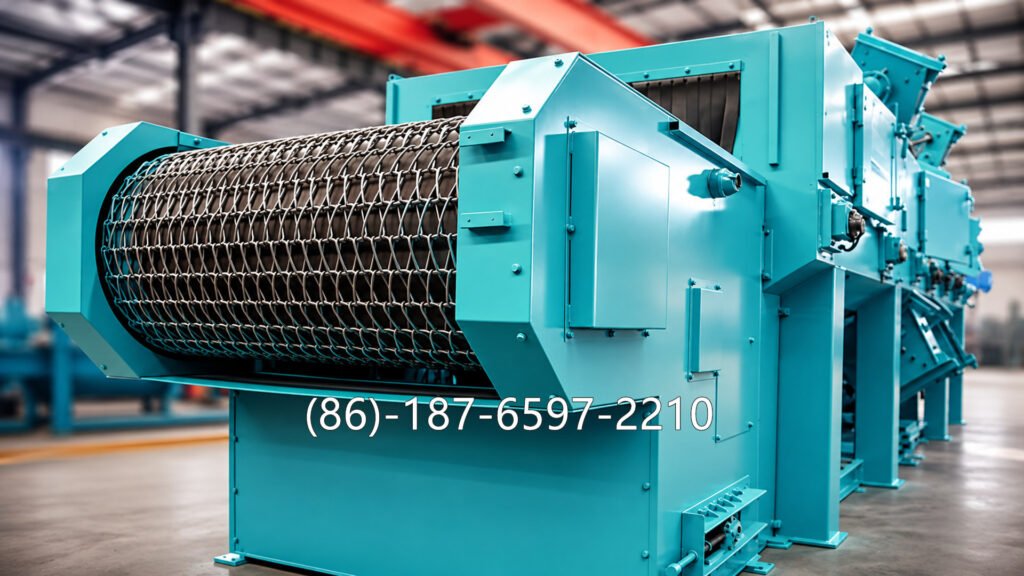
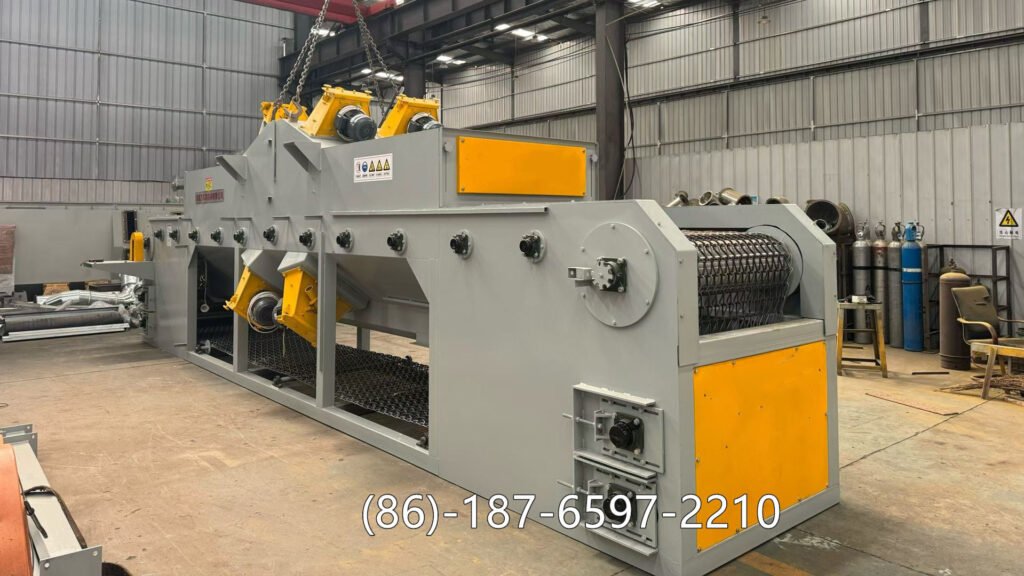
wire mesh belt conveyor shot blasting machine is a continuous-type abrasive blasting system designed for small to medium-sized workpieces.

Catalog

Why Choose a Wire Mesh Belt Conveyor Shot Blasting Machine? Efficient, Automatic & Cost-Effective Surface Treatment

If your factory is still loading metal parts into a shot blasting machine batch by batch, stopping the machine, unloading the finished parts and repeating the same process again, the problem may not be the blast wheel.

The real problem may be material flow.

For small and medium-sized castings, forgings, welded components, aluminum parts, steel components and heat-treated products, manual loading and batch processing can become a serious production bottleneck.

Wire Mesh Belt Conveyor Shot Blasting Machine solves this problem by turning surface cleaning into a continuous process:

Loading → Conveying → Shot Blasting → Abrasive Recovery → Dust Collection → Discharge

Instead of stopping after every batch, workpieces move continuously through the blasting chamber.

That means the machine is not only cleaning metal.

It is improving the entire production flow.

What Is a Wire Mesh Belt Conveyor Shot Blasting Machine?

Wire mesh belt conveyor shot blasting machine is a continuous-type abrasive blasting system designed for small to medium-sized workpieces.

The parts are placed on a continuously moving wire mesh conveyor belt.

As the workpieces enter the blasting chamber, high-speed blast wheels project metallic abrasive onto the surface.

The abrasive removes contaminants such as:

  • Rust
  • Mill scale
  • Sand residue
  • Oxide
  • Heat treatment scale
  • Loose coating
  • Surface contaminants

After blasting, the parts continue to the discharge section while used abrasive is automatically collected, cleaned and recycled.

A typical production flow looks like this:

Workpiece Loading
        ↓
Wire Mesh Belt Conveyor
        ↓
Shot Blasting Chamber
        ↓
Multiple Blast Wheels
        ↓
Abrasive Collection
        ↓
Abrasive Recovery
        ↓
Abrasive Separation
        ↓
Dust Collection
        ↓
Clean Parts Discharge

The key advantage is simple:

The workpiece keeps moving, and the blasting process keeps running.

wire mesh belt conveyor shot blasting machine is a continuous-type abrasive blasting system designed for small to medium-sized workpieces.

Why Choose a Wire Mesh Belt Shot Blasting Machine?

1. Continuous Production Instead of Batch Processing

A batch shot blasting machine follows a stop-and-start production cycle:

Load Parts
   ↓
Close Machine
   ↓
Blast
   ↓
Stop
   ↓
Open Machine
   ↓
Unload
   ↓
Reload

A wire mesh belt system is designed for continuous flow:

Continuous Loading
       ↓
Automatic Conveying
       ↓
Continuous Blasting
       ↓
Automatic Discharge

This is especially useful for factories processing a large number of similar workpieces.

Typical examples include:

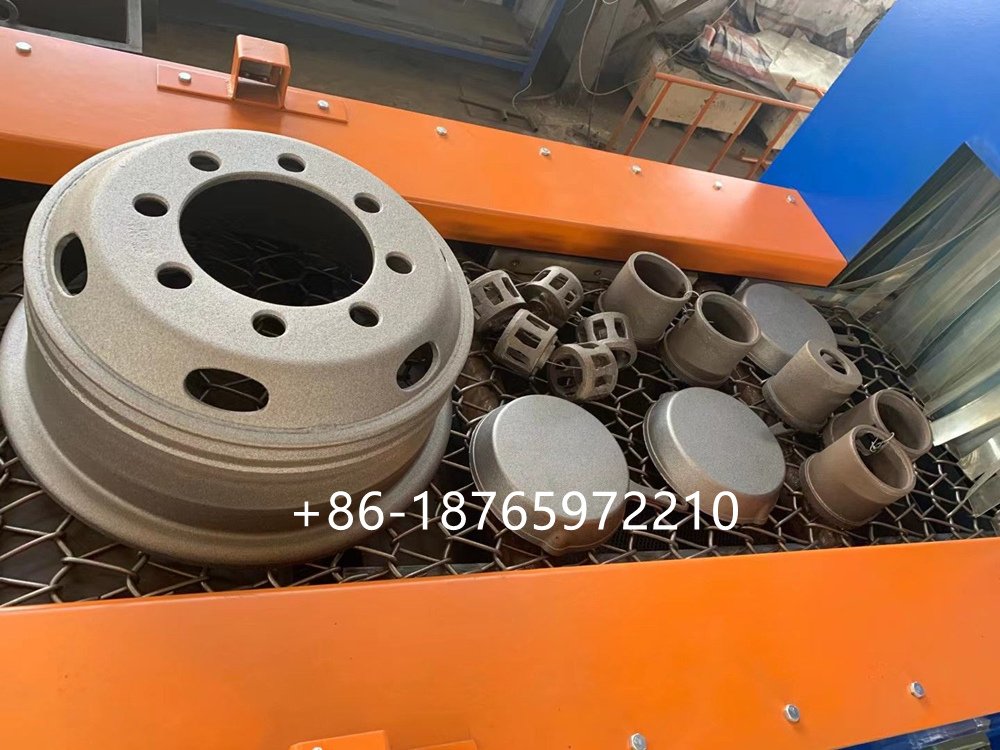
  • Castings
  • Forgings
  • Springs
  • Gears
  • Auto parts
  • Hardware
  • Heat-treated components
  • Welded parts
  • Aluminum castings
  • Steel fabrications

The result is usually a smoother production rhythm with less interruption between blasting cycles.

2. Better for Automated Production Lines

The wire mesh belt conveyor can be integrated with upstream and downstream equipment.

For example:

Casting Production
       ↓
Cooling
       ↓
Shot Blasting
       ↓
Inspection
       ↓
Machining
       ↓
Painting / Coating
       ↓
Packaging

Or:

Forging
   ↓
Heat Treatment
   ↓
Scale Removal
   ↓
Shot Blasting
   ↓
Machining

This makes the machine suitable for factories moving toward:

  • Automated production
  • Reduced manual handling
  • Stable takt time
  • Continuous manufacturing

The blasting machine becomes part of the production line rather than an isolated cleaning station.

3. Consistent Surface Treatment

Manual surface cleaning depends heavily on the operator.

Automated shot blasting depends more on controlled process parameters.

The important variables include:

  • Mesh belt speed
  • Blast wheel quantity
  • Blast wheel arrangement
  • Abrasive type
  • Abrasive size
  • Abrasive flow rate
  • Workpiece arrangement
  • Blasting exposure time

Once the correct parameters are established, the process can be repeated.

That is important when downstream operations require more stable surface conditions.

4. Efficient Cleaning of Complex Metal Parts

Many workpieces have irregular shapes.

Examples include:

  • Cast iron components
  • Aluminum castings
  • Steel castings
  • Forged parts
  • Welded assemblies

The blasting chamber can be equipped with multiple blast wheels positioned to improve abrasive coverage.

Depending on machine design, blast wheels may be arranged to clean:

  • Top surfaces
  • Bottom surfaces
  • Side surfaces
  • Complex external geometry

The goal is not simply to install more blast wheels.

The goal is:

Achieve sufficient abrasive coverage at the required production speed.

5. Automatic Abrasive Recycling

Abrasive is one of the major operating materials in shot blasting.

A properly designed machine should continuously recover and recycle usable abrasive.

The circulation system generally works like this:

Blast Wheels
      ↓
Used Abrasive
      ↓
Collection Hopper
      ↓
Screw Conveyor
      ↓
Bucket Elevator
      ↓
Abrasive Separator
      ↓
Clean Reusable Abrasive
      ↓
Storage Hopper
      ↓
Blast Wheels

The separator removes unwanted materials such as:

  • Dust
  • Sand particles
  • Broken abrasive
  • Fine abrasive
  • Surface contaminants

The remaining usable abrasive returns to the blasting cycle.

This helps reduce unnecessary abrasive consumption.

The ISO 11124 series provides specifications and classification for metallic blast-cleaning abrasives, including cast-steel shot and grit.

6. Lower Labor Requirement

A continuous conveyor system can reduce the amount of repetitive manual loading and unloading required compared with a purely batch-based process.

Operators can focus more on:

  • Loading supervision
  • Process monitoring
  • Quality inspection
  • Abrasive management
  • Routine maintenance

The actual labor reduction depends on the automation level and the upstream/downstream material handling system.

For high-volume production, this can improve overall labor efficiency.

7. Suitable for Different Types of Metal Parts

A wire mesh belt shot blasting machine is commonly considered for workpieces that are:

  • Small to medium-sized
  • Relatively stable during conveying
  • Suitable for continuous processing

Typical applications include:

Foundry Castings

Removing:

  • Molding sand
  • Core sand residue
  • Oxide
  • Surface contamination

Forgings

Removing:

  • Heat treatment scale
  • Oxide
  • Surface residue

Automotive Components

Preparing components before:

  • Machining
  • Painting
  • Coating
  • Assembly

Hardware Components

Continuous cleaning of:

  • Brackets
  • Fasteners
  • Small fabricated parts

Aluminum and Non-Ferrous Castings

Surface cleaning before inspection or further processing.

How Does a Wire Mesh Belt Shot Blasting Machine Work?

The operating principle is straightforward.

However, the engineering details behind stable performance are important.

Step 1: Workpiece Loading

Workpieces are placed on the wire mesh conveyor.

The loading method may be:

  • Manual
  • Semi-automatic
  • Automatic

depending on production requirements.

Step 2: Conveyor Transport

The wire mesh belt carries the parts through the blasting chamber at a controlled speed.

Conveyor speed directly affects blasting exposure time.

Generally:

Higher Conveyor Speed → Higher Production Capacity → Shorter Blasting Exposure

Lower Conveyor Speed → Lower Production Capacity → Longer Blasting Exposure

The correct speed must balance:

Cleaning Quality + Production Capacity

Step 3: Abrasive Blasting

Blast wheels accelerate steel shot or steel grit and direct the abrasive toward the workpieces.

The impact removes unwanted surface materials.

Important factors include:

  • Abrasive velocity
  • Abrasive flow
  • Blast pattern
  • Workpiece geometry
  • Exposure time

Step 4: Abrasive Recovery

After impact, the abrasive falls into the recovery system.

It is transported to the separator for cleaning.

Step 5: Abrasive Separation

Reusable abrasive is separated from dust and contaminants.

A stable abrasive mix is important because excessive fines or contamination can reduce blasting efficiency.

Step 6: Dust Collection

Dust generated during the blasting process is extracted through the dust collection system.

A properly selected dust collector helps maintain:

  • Cleaner production conditions
  • Better machine visibility
  • More stable operation
  • Improved working environment

Step 7: Automatic Discharge

After surface treatment, workpieces leave the machine through the discharge section.

They can then move directly to:

  • Inspection
  • Machining
  • Painting
  • Coating
  • Assembly
  • Packaging

Surface Preparation Standards: Why “Clean” Is Not Enough

For industrial coating or corrosion protection, surface quality should be defined using an appropriate specification.

ISO 8501-1 provides visual preparation grades for steel substrates after surface preparation, including blast-cleaning grades such as:

These grades are commonly used when evaluating the visual cleanliness of prepared steel surfaces.

However, the required result should always be determined by the actual coating specification and application.

A machine should not simply be advertised as:

“Sa 3 Machine.”

Surface preparation results depend on:

  • Initial surface condition
  • Abrasive type
  • Abrasive size
  • Blast wheel performance
  • Conveyor speed
  • Exposure time
  • Workpiece geometry

The machine creates the blasting environment.

The process parameters determine the final result.

Surface Profile: Another Important Parameter

Surface cleanliness is only one part of the surface preparation process.

Surface profile may also affect coating adhesion.

The profile is influenced by:

  • Abrasive size
  • Abrasive shape
  • Abrasive condition
  • Blasting intensity
  • Workpiece material

ISO 8503 covers surface roughness characteristics of blast-cleaned steel substrates.

ISO 8503-2 provides a comparator method for grading surface profile, while ISO 8503-5 covers replica tape measurement methods.

A coating system may require a specific profile range.

For example:

25–60 μm

or

40–75 μm

But there is no universal profile setting.

The correct target should come from:

Project Specification + Coating Supplier + Service Environment

Typical Technical Parameters

The following table provides typical reference ranges for a wire mesh belt conveyor shot blasting machine.

Final parameters should be determined according to the actual workpiece.

ParameterTypical Configuration
Machine TypeWire Mesh Belt Conveyor Shot Blasting Machine
ApplicationCastings / Forgings / Metal Components
Conveyor TypeHigh-Strength Wire Mesh Belt
Effective Working WidthApprox. 600–2000 mm
Effective Working HeightApprox. 200–800 mm
Workpiece LengthContinuous
Conveyor SpeedApprox. 0.5–5 m/min
Blast WheelsApprox. 2–8 Units
Blast Wheel PowerApprox. 7.5–22 kW per Wheel
Abrasive TypeSteel Shot / Steel Grit
Abrasive FlowApprox. 100–250 kg/min per Wheel
Production CapacityCustomized by Part Size and Cleaning Requirement
Abrasive RecoveryAutomatic
Abrasive SeparatorAir-Wash Separator
Dust CollectionPulse Jet Bag Filter / Cartridge Filter
Control SystemPLC + HMI Optional
Conveyor DriveVariable Frequency Speed Control
Machine LayoutCustomized

Important Engineering Note: These are typical reference ranges only. Final capacity and performance should be confirmed based on the actual workpiece, surface condition and required cleaning result.

Wire Mesh Belt vs. Tumble Belt Shot Blasting Machine

Both machines can process castings and metal parts.

However, their production logic is different.

FactorWire Mesh BeltTumble Belt
Production ModeContinuousBatch
Material HandlingConveyorTumble / Batch
High-Volume ProductionExcellentModerate
Part-to-Part ContactLower PotentialHigher
Delicate PartsMore SuitableDepends on Part
Small Bulk PartsSuitableExcellent
Automation IntegrationExcellentModerate
Loading/UnloadingContinuousBatch Cycle
Production RhythmStableIntermittent

A wire mesh belt system is generally a strong option when the goal is continuous production.

A tumble belt machine is often more suitable when processing loose bulk parts in batches.

The correct machine depends on the workpiece and production requirement.

Wire Mesh Belt vs. Roller Conveyor Shot Blasting Machine

These two machine types are designed for different workpieces.

Wire Mesh Belt Shot Blasting Machine

Best suited for:

  • Small castings
  • Medium castings
  • Forgings
  • Automotive parts
  • Hardware
  • Complex components

Roller Conveyor Shot Blasting Machine

Best suited for:

  • Steel plates
  • H-beams
  • I-beams
  • Structural profiles
  • Large fabricated steel parts

The difference is primarily workpiece handling geometry.

Why Conveyor Speed Is a Critical Parameter

Many buyers focus only on blast wheel power.

But conveyor speed is equally important.

For example:

If a part remains inside the blasting zone longer, it receives more abrasive exposure.

If the belt moves faster, production capacity increases, but blasting exposure time decreases.

This means the ideal setting is not always:

Maximum speed.

The ideal setting is:

Maximum acceptable speed while still achieving the required surface result.

That is why a factory test with the actual workpiece is valuable.

wire mesh belt shot blasting machine is a highly efficient, continuous cleaning equipment that uses a conveyor mesh belt and multi-angle blasting turbines to perform surface cleaning, strengthening, and finishing. It is stable, energy-efficient, and widely used in metal manufacturing industries.

How to Choose the Right Wire Mesh Belt Shot Blasting Machine

Before requesting a quotation, prepare the following information.

1. Workpiece Type

Example:

  • Casting
  • Forging
  • Steel component
  • Aluminum component
  • Welded part

2. Maximum Dimensions

Length: ___ mm

Width: ___ mm

Height: ___ mm

3. Maximum Weight

Single Part Weight: ___ kg

Total Conveyor Load: ___ kg/m² or ___ kg/hour

4. Production Requirement

Provide:

___ kg/hour

or

___ pieces/hour

or

___ tons/hour

5. Current Surface Condition

For example:

  • Foundry sand
  • Rust
  • Oxide
  • Heat treatment scale
  • Old coating

6. Required Surface Result

For example:

  • Surface cleaning only
  • Rust removal
  • Mill scale removal
  • Coating preparation
  • Sa 2½

7. Downstream Process

What happens after shot blasting?

  • Machining
  • Painting
  • Powder coating
  • Inspection
  • Assembly

This information can affect the recommended surface condition.

Common Mistakes When Buying a Wire Mesh Belt Shot Blasting Machine

Mistake 1: Choosing Only by Belt Width

A wide belt does not automatically mean high capacity.

You must also consider:

  • Part weight
  • Part arrangement
  • Cleaning requirement
  • Conveyor speed
  • Blast wheel coverage

Mistake 2: Choosing More Blast Wheels Without Understanding Coverage

More blast wheels increase installed capacity, but poor wheel positioning can still result in uneven blasting.

Coverage matters.

Mistake 3: Ignoring Abrasive Recovery

Abrasive recovery and separation directly affect:

  • Operating cost
  • Blasting efficiency
  • Surface consistency

Mistake 4: Ignoring Workpiece Stability

Some parts may:

  • Roll
  • Tilt
  • Overlap
  • Get trapped in the conveyor mesh

The machine must be designed according to actual workpiece geometry.

Mistake 5: Comparing Only Machine Price

A cheaper machine may later create higher costs through:

  • Abrasive loss
  • Wear parts
  • Low capacity
  • Excessive downtime
  • Rework
  • High labor requirements

The more useful comparison is:

Total Cost per Part or Total Cost per Ton Processed.

Automatic Abrasive Recycling: Why It Reduces Operating Cost

Abrasive should be treated as a circulating production material.

A typical loop is:

Storage Hopper
      ↓
Blast Wheel
      ↓
Workpiece Impact
      ↓
Abrasive Collection
      ↓
Recovery System
      ↓
Separator
      ↓
Reusable Abrasive
      ↓
Back to Hopper

The objective is not simply to use less abrasive.

The objective is to maintain a stable abrasive working mix.

That improves:

  • Cleaning efficiency
  • Surface consistency
  • Operating cost control

Maintenance Areas That Matter

A shot blasting machine operates under continuous abrasive impact.

Regular inspection should focus on:

Blast Wheel

Check:

  • Blades
  • Impeller
  • Control cage
  • Distributor

Wire Mesh Belt

Check:

  • Belt tension
  • Wire damage
  • Wear
  • Alignment

Conveyor Drive

Inspect:

  • Motor
  • Gearbox
  • Drive sprockets
  • Bearings

Abrasive Separator

Check separation performance.

Bucket Elevator

Inspect:

  • Buckets
  • Belt
  • Alignment
  • Drive system

Dust Collector

Check:

  • Filter condition
  • Pulse cleaning
  • Dust discharge
  • Airflow performance

Preventive maintenance is normally less expensive than unexpected production downtime.

How to Reduce Operating Cost

The best cost-saving strategy is usually not buying the cheapest machine.

It is optimizing the blasting process.

Maintain the Correct Abrasive Mix

Too many fines can reduce blasting efficiency.

Replace Worn Blast Wheel Parts

Wear changes abrasive throwing performance.

Optimize Conveyor Speed

Avoid running slower than necessary.

Keep the Separator Correctly Adjusted

Good separation improves abrasive reuse.

Avoid Conveyor Overloading

Overloaded parts may reduce cleaning consistency and increase mechanical wear.

Use the Correct Machine Type

Do not use a continuous conveyor machine for a workpiece better suited to a tumble or hanger system.

Factory Acceptance Test Before Shipment

For customized B2B equipment, a factory acceptance test can help verify the machine before shipment.

Testing may include:

  • Conveyor operation
  • Belt speed adjustment
  • Blast wheel operation
  • Abrasive circulation
  • Separator operation
  • Dust collection
  • Electrical control
  • Safety interlocks
  • Sample workpiece blasting

The ideal test process is:

Customer Workpiece
       ↓
Initial Inspection
       ↓
Abrasive Selection
       ↓
Machine Adjustment
       ↓
Trial Blasting
       ↓
Surface Inspection
       ↓
Parameter Confirmation

This gives the buyer a clearer understanding of how the proposed configuration performs.

Advanced Wire Mesh Belt Shot Blasting Machine offers the perfect middle ground: high-impact descaling and deburring combined with completely stable part transport.

Buyer Checklist

Before placing an order, confirm:

  • Maximum workpiece dimensions
  • Maximum single-part weight
  • Required production capacity
  • Belt width
  • Effective blasting height
  • Mesh belt load capacity
  • Blast wheel quantity
  • Blast wheel power
  • Abrasive flow
  • Conveyor speed range
  • Abrasive recovery system
  • Separator configuration
  • Dust collector
  • Electrical control system
  • Safety protection
  • Wear-resistant liners
  • Recommended spare parts
  • Factory acceptance testing
  • Installation requirements
  • Technical documentation
  • After-sales support

Frequently Asked Questions

What is a wire mesh belt conveyor shot blasting machine used for?

It is used for continuous surface cleaning and preparation of castings, forgings, metal components, automotive parts and other suitable small-to-medium-sized workpieces.

What is the difference between a wire mesh belt machine and a tumble belt machine?

A wire mesh belt machine processes workpieces continuously on a conveyor, while a tumble belt machine normally processes loose parts in batches.

Can it remove rust and oxide?

Yes. With the correct abrasive and process parameters, it can remove rust, oxide, heat-treatment scale and other surface contaminants.

Can it achieve Sa 2½?

For suitable steel workpieces, the blasting process can be configured toward a required preparation grade such as Sa 2½. Actual results depend on surface condition, abrasive, exposure time and machine configuration.

What abrasive can be used?

Steel shot and steel grit are commonly used in metallic abrasive blasting systems, depending on the required cleaning result and surface profile.

How is abrasive recycled?

The abrasive is collected, transported through the recovery system, cleaned in a separator and returned to the blast wheel system.

What is the production capacity?

Capacity depends on workpiece size, weight, loading density, cleaning requirement, blast wheel configuration and conveyor speed.

Can the machine be integrated into an automatic production line?

Yes. The conveyor design makes it suitable for connection with upstream and downstream production equipment.

How much does a wire mesh belt shot blasting machine cost?

The final price depends on working width, blast wheel configuration, production capacity, belt load capacity, dust collection and automation requirements.

Wire Mesh Belt Shot Blasting Machine RFQ Template

To receive a more accurate technical proposal, send the following information:

Machine: Wire Mesh Belt Conveyor Shot Blasting Machine

Workpiece Type: __________________

Material: __________________

Maximum Length: ______ mm

Maximum Width: ______ mm

Maximum Height: ______ mm

Maximum Single Weight: ______ kg

Production Capacity: ______ kg/hour or ______ pieces/hour

Current Surface Condition: __________________

Required Surface Result: __________________

Required Surface Grade: Sa 2 / Sa 2½ / Sa 3 / Other

Surface Profile Requirement: ______ μm

Downstream Process: __________________

Loading Method: Manual / Automatic

Power Supply: ______ V / ______ Hz / ______ Phase

Destination Country: __________________

Other Requirements: __________________

Factory Direct Customization Options

A wire mesh belt conveyor shot blasting machine can be customized according to:

Working Width

Based on the maximum workpiece width.

Blasting Height

Designed according to workpiece dimensions.

Conveyor Load Capacity

Selected according to:

  • Part weight
  • Loading density
  • Production rate

Blast Wheel Quantity

Configured according to:

  • Surface condition
  • Required cleaning result
  • Production capacity

Conveyor Speed

Variable speed control for different workpieces and exposure times.

Dust Collection

Configured according to machine size and production requirements.

Automation

Optional features may include:

  • Automatic loading
  • Automatic unloading
  • Variable speed control
  • PLC control
  • Fault monitoring
  • Production monitoring

Get a Customized Wire Mesh Belt Shot Blasting Solution

A good shot blasting machine quotation should not start with:

“What is the price?”

It should start with:

“What exactly are you processing?”

Send us:

Workpiece Photo or Drawing

Maximum Dimensions

Single-Part Weight

Production Capacity

Current Surface Condition

Required Surface Result

Based on this information, a technical proposal can include:

  • Machine working width
  • Effective blasting height
  • Wire mesh belt configuration
  • Conveyor load capacity
  • Blast wheel quantity and power
  • Abrasive recovery system
  • Abrasive separator
  • Dust collector
  • PLC control system
  • Layout drawing
  • Recommended spare parts
  • Factory testing plan
  • Installation guidance

Contact Us

Tell Us Your Needs, We’ll Provide the Perfect Solution!

Let’s work together to optimize your operations and achieve outstanding results!